







Full expert breakdown
One small SUV, three engines, and only one of them I would spend my own money on.
Tata refreshed the Punch in January 2026 with a new face, a rebuilt cabin, a turbo petrol and a CNG automatic. What did not change is the engine most buyers will end up driving home.
Tata Punch Facelift Changes 2026
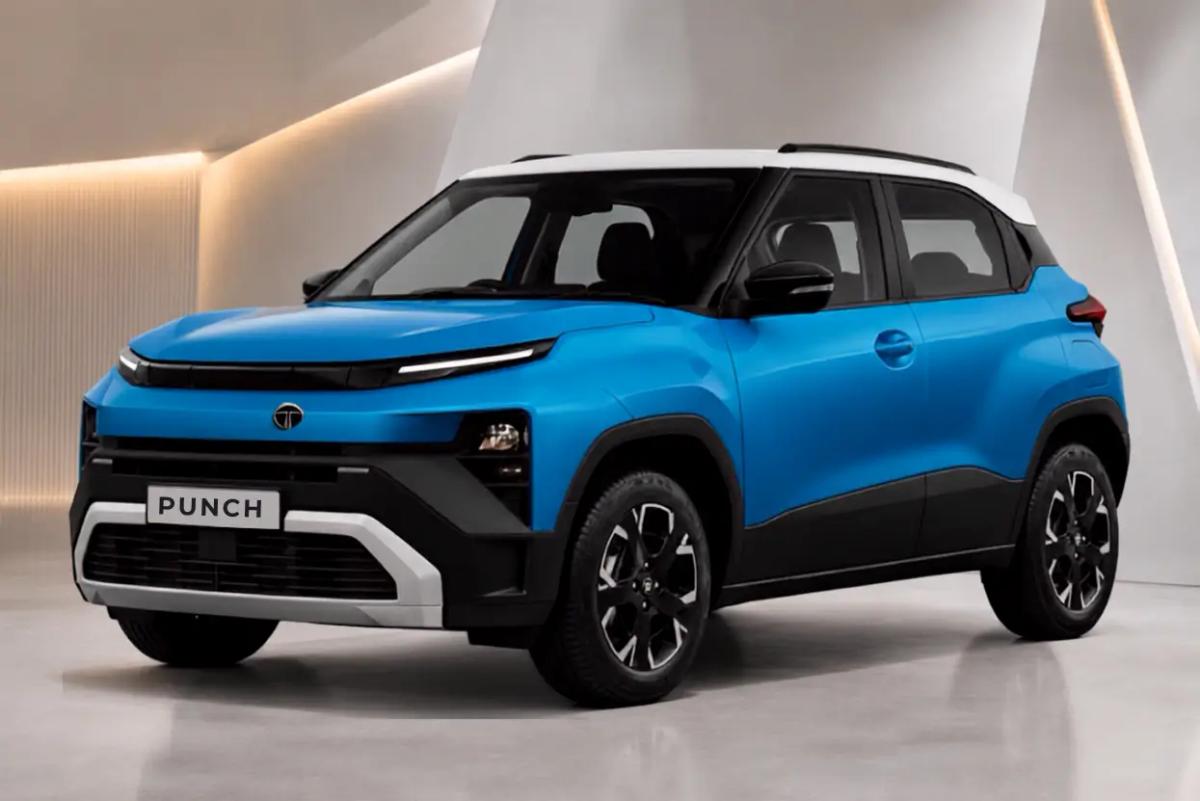
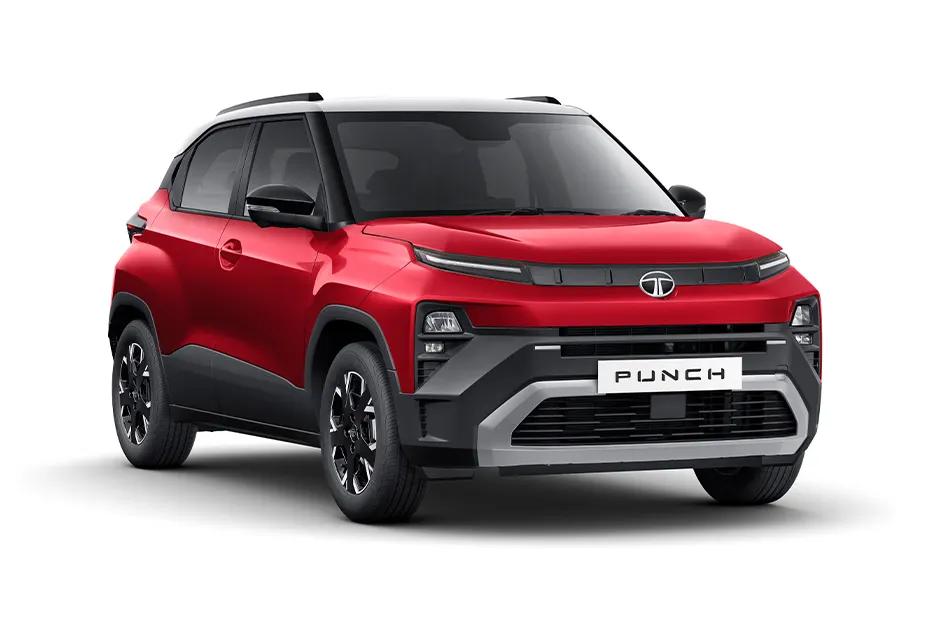
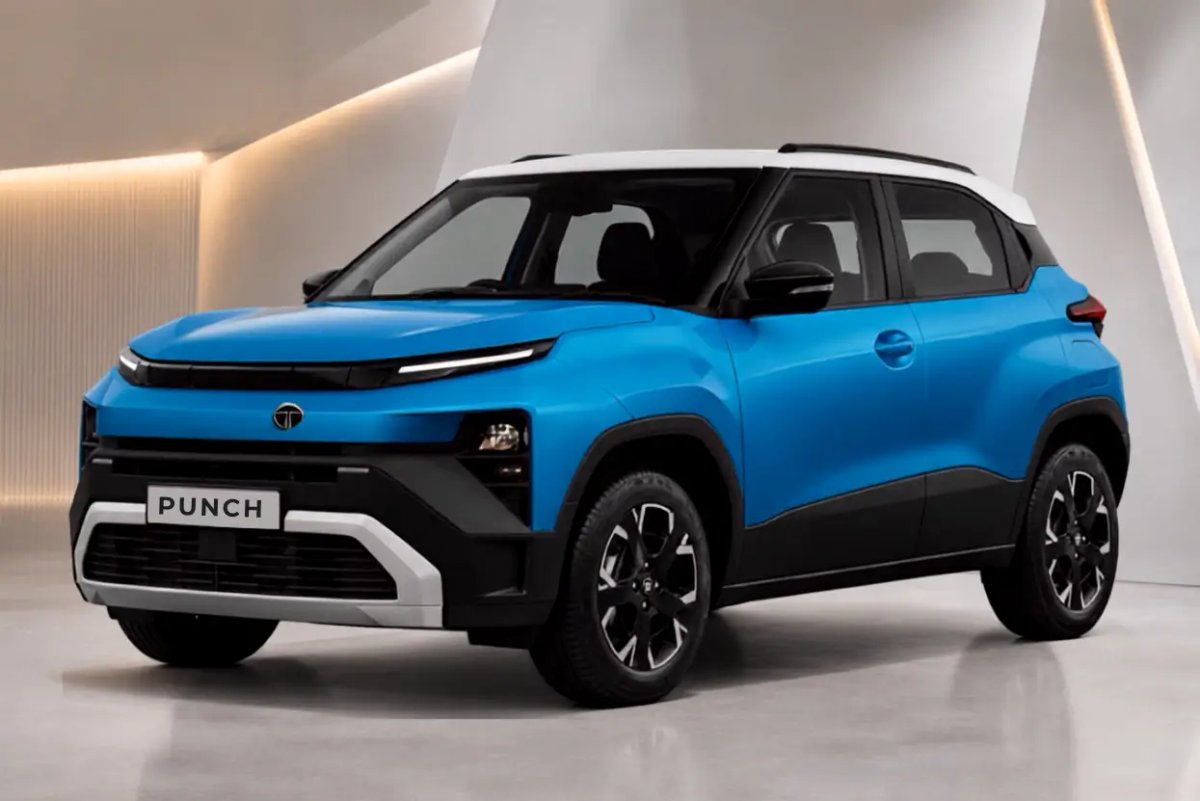
The front and cabin are new, and the feature list moved up a class. The Tata Punch interior now runs a 10.25-inch touchscreen on the Accomplished trim and a 7-inch digital driver's display on the Accomplished Plus S. A single-pane sunroof arrives from the Pure Plus S upward. Wireless Android Auto and Apple CarPlay start at the Pure Plus. Higher trims add automatic climate control, a 360-degree camera, wireless charging and a cooled glovebox.
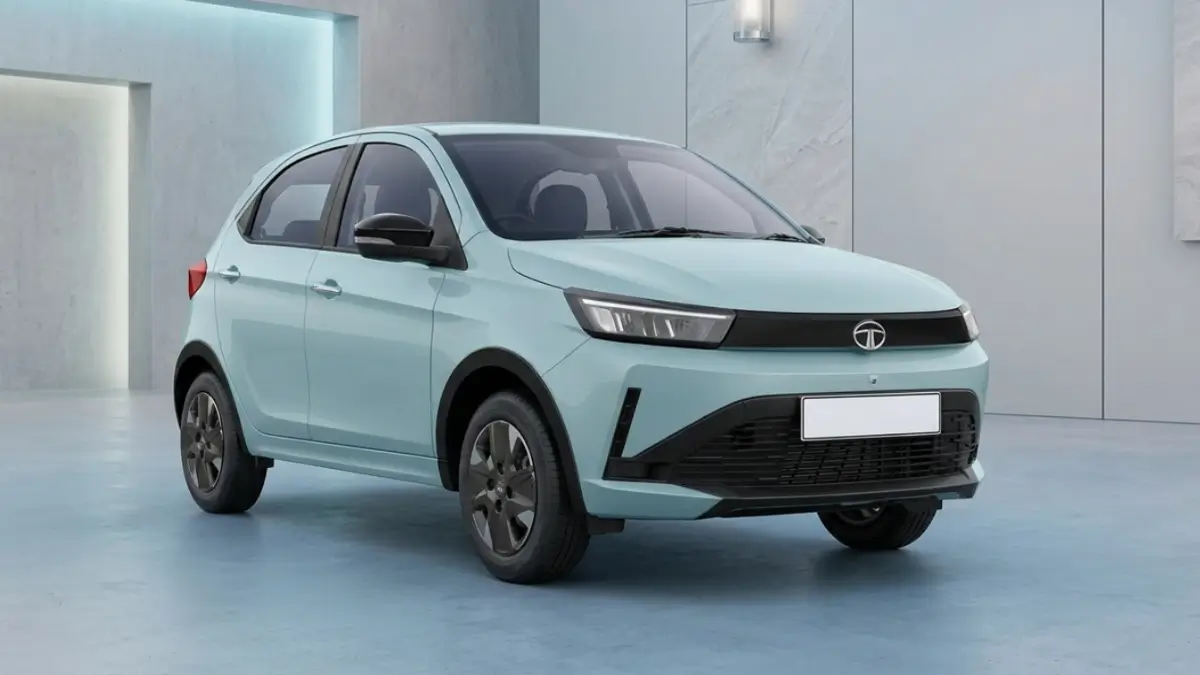
The Tata Punch colour list includes 13 options, with dual-tone roofs on most of them. Personally, the Bengal Rouge and Cyantafic feel compelled to own because of their red presence.
For a car that starts at ₹5.70 lakh, that equipment list reads generous. The catch shows up the first time you load it with four people.
Tata Punch Specifications: Engine, Dimensions and Ground Clearance
The Tata Punch engine is a 1199cc three-cylinder petrol engine making 87hp and 115Nm. A 1.2 turbo petrol sits above it with 118hp and 170Nm, but only on two variants: the Adventure Turbo and the Accomplished Plus S Turbo. The iCNG makes 72hp and 103Nm. The Tata Punch automatic is an AMT, not a torque converter, so the head-nod between shifts is part of the deal.
The naturally aspirated petrol is fine around town and slow once loaded. Four adults and luggage turn every highway overtake into a plan. The turbo fixes that, and it is the only version that feels comfortable at 100kmph with a full car.
The Tata Punch dimensions read 3876mm long, 1742mm wide and 1615mm tall on a 2445mm wheelbase. The Tata Punch ground clearance stands at 193mm, up from 187mm on the old car, and that is the number owners end up loving most. Flooded service roads and unmarked speed breakers stop being a problem.
The Tata Punch boot space is 366 litres on petrol. The CNG drops to 210 litres because twin cylinders sit under the floor, though the floor stays flat and usable instead of losing the boot entirely.
Tata Punch Mileage: Petrol and CNG Numbers That Matter
The Tata Punch mileage petrol figure is 20.09 kmpl for the manual and 18.8 kmpl for the AMT on the ARAI cycle. Real driving tells a different story. City traffic pulls that down to 11 to 14 kmpl, and only steady highway running gets you close to 20.
That is a wide gap, and it is why the CNG matters here. The Tata Punch CNG mileage is 26.99 km/kg on the ARAI cycle, and owners see 19 to 23 km/kg in real city running. The gap between claim and reality is far smaller on gas than on petrol.
Put money on it and the picture gets clear. At Delhi rates of ₹102.12 a litre and ₹83.09 a kg, the petrol costs around ₹8 per kilometre in city traffic. The CNG costs around ₹4. You save roughly ₹4,000 on a 1,000km month.
The CNG variant asks ₹1.01 lakh more than the same petrol trim. Drive 1,500km a month and you get that back in about 16 months. Drive 700km a month and you are waiting close to three years. That single sum decides which Punch you should be looking at.
Tata Punch Safety Rating: The Score That Sells This Car
The Tata Punch safety rating is a genuine five stars at Bharat NCAP, tested in January 2026. It scored 30.58 out of 32 for adult protection and 45 out of 49 for child protection. That child score is the one to notice, because it is where cars at this price usually fall away.
More important is what comes as standard. Six airbags, ESC, hill hold, ISOFIX anchors and a tyre pressure monitor sit on every variant, including the base Smart. Most rivals still make you climb the range for half of that.
What the Tata Punch Gets Wrong
Honesty helps here, because none of this shows up on a test drive.
The three-cylinder engine gets loud past 3,500rpm, and you hear it over the music and the AC. On a two-hour highway run it wears on you. The gearbox is stiff for the first few shifts on a cold morning, first to second especially, and reverse sometimes needs a second attempt.
Braking is the one to respect. The pedal is soft and the car needs more room to stop than its size suggests. Leave a bigger gap than you think you need at 80 to 90kmph.
Build quality is the usual Tata story. Solid where it counts, untidy where you look closely. Panel gaps are wide enough to notice and rattles turn up as the car ages. The rear bench does not split 60:40 either, so long luggage means folding the whole seat.
None of it makes the Punch a bad buy. Servicing stays under ₹8,000 per visit, and the car holds together for years. You just need to know what you are signing for.
Which Tata Punch Variant to Buy
Skip the Smart. No touchscreen, and you will feel every rupee you saved.
The Tata Punch Pure Plus at ₹7.10 lakh is the value pick. Touchscreen, cruise control, height-adjustable driver's seat, and it stops short of the price climb. Add ₹35,000 for the Pure Plus S if you want the sunroof.
The Tata Punch Adventure at ₹7.70 lakh is the one to buy if you can stretch. The 360-degree camera and auto climate control earn their money every single day in a car this tall. Above it, you are mostly paying for bigger screens.
Cover more than 1,500km a month? Take the Adventure CNG at ₹8.71 lakh. Carry four adults on highways every week? The Adventure Turbo at ₹8.40 lakh is the only Punch that will not annoy you.