
There are over 65 cars in India available under ₹15 lakh. And after conducting comprehensive research and comparing each car, I have listed the best cars in each category that cost you less than 15 lakh to own.
Top Cars Under 15 Lakh in India
There is every possible car option for you to choose from. Whether you want an SUV, a seven seater or if you only care about the fuel bill, there is an electric.
So we will have the best cars in all categories below. SUVs, sedans, hatchbacks and MPVs first, sorted by body type. Then fuel and feature picks: electric, CNG, diesel, automatic and mileage. Then safety ratings and the cars launching soon. Also there is a buying guide at the end to make sure you buy The One Car.
You can jump to your category or start with the overall shortlist below.
Best SUVs Under 15 Lakh
16 of India's top 25 best selling cars in May 2026 were SUVs. So you can say, SUVs dominate the 15 lakh car category.
Now, the choice splits into two sizes: 1. Sub-Compact SUVs and 2. Mid-Size SUVs.
4 Sub-Compact SUVs Under 15 Lakh
-
The Best Selling SUV in FY26 : Tata Nexon
The Tata Nexon sold 2,16,054 units in FY2026. The reason is quite simple: the Nexon is the best selling SUV. It is available in petrol, turbo-petrol, diesel, CNG and a full EV option. Plus a 5-star crash rating too.
One possible limitation that we saw is the waiting period of around 2 months for the Tata Nexon or more for some popular variants.
-
Mahindra XUV 3XO : Indian Tech SUV
The Mahindra XUV 3XO comes with modern tech features. It's the only SUV at this price with Level 2 ADAS, the system that brakes and holds your lane on highways. The SUV 3XO comes with a panoramic sunroof along with a 5-star safety rating.
The sales numbers are quite flat for the Mahindra XUV 3XO, so dealers are open to discounts. Use that.
-
The Value Pick : Maruti Fronx
The Maruti Suzuki Fronx is the value pick. It has been the best selling SUV in India for the past few months. The 1.0 turbo is quick, the CNG version does a claimed 28.51 km/kg, and prices start at ₹6.85 lakh. My only concern with the Maruti Fronx is the boot space, which is shallow for its size. Check the luggage space during the test drive.
-
Maruti Brezza Facelift 2026
The Maruti Suzuki Brezza is coming soon with a facelift. It is currently priced at ₹8.26 lakh. The facelift price could be a little higher for its new modern design, changes in infotainment and a 1.0L Boosterjet turbo-petrol engine and Level 2 ADAS on some selected variants.
3 Mid-Size SUVs Under 15 Lakh
-
The Most Trusted SUV : Hyundai Creta
The Hyundai Creta sets the comfort benchmark. That is the reason buyers in India are consistently trusting it. Creata’s big plus point is its strongest resale value in the class. Although under ₹15 lakh, you get only the lower and mid trims. But you still get the widest cabin and smoothest ride here. Expect around 17 kmpl on the highway from the 1.5 petrol, and noticeably less in the city.
-
Stylish Mahindra Scorpio-N
The Mahindra Scorpio-N is a powerful option. It is a no-debate option when it comes to build quality and diesel torque. The honest part: you might have to stretch your budget a little. Only the base Z2 fits cost you around ₹15 lakh on-road in Delhi. City mileage sits near 7.5 km/l. Buy it for its dominance, not economy.
-
The Nostalgic Tata Sierra
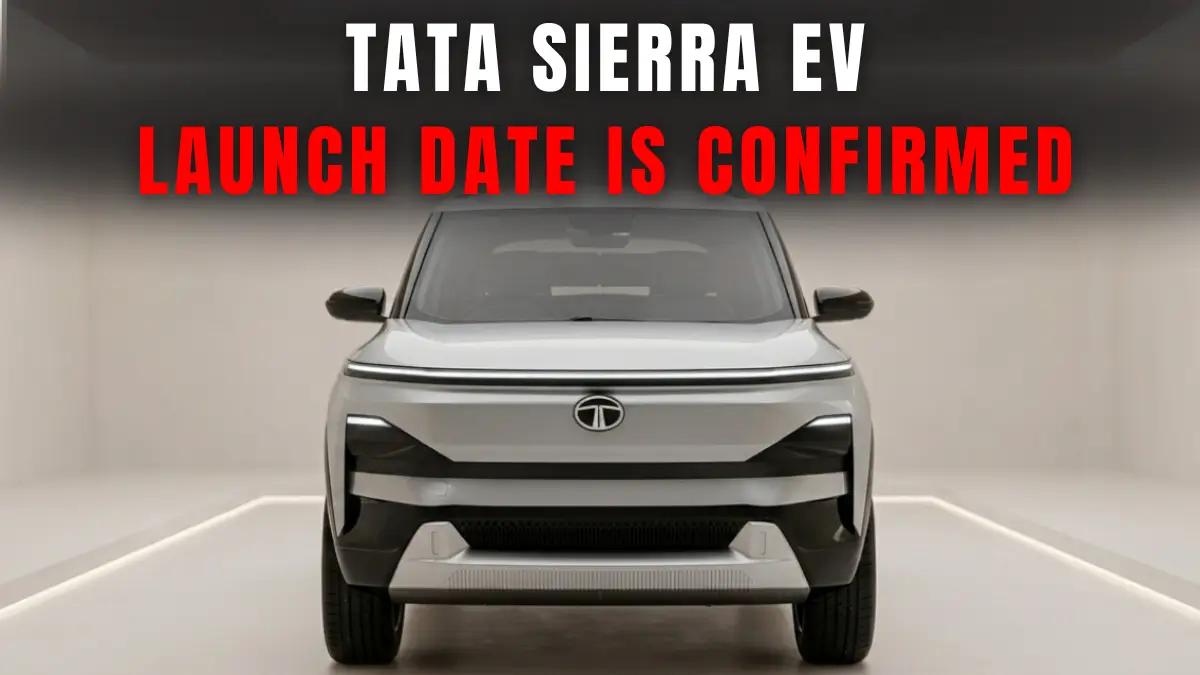
The Tata Sierra is the new face. Launched at ₹11.49 lakh with a triple-screen dashboard and a big boot, it gives you a fresher design than anything else at this price. It's too new for a reliability verdict. That's the risk you accept for the looks.
Best Sedans Under 15 Lakh
Sedans are quietly winning again. The Maruti Dzire was India's best-selling car in May 2026, beating every SUV in the country. Two sizes matter here.
Compact Sedans Under 15 Lakh
The Maruti Dzire is proof of the comeback: 24,546 units in May 2026, up 36% on last year. It claims 24 to 25 kmpl, holds a 5-star crash rating, and costs ₹6.84 to 10.19 lakh. The cabin feels functional rather than special. Buyers clearly don't seem to mind.
The Honda Amaze is the relaxed alternative at ₹7.51 to 10 lakh. Its CVT automatic is the smoothest in the class and Honda's reliability record backs it. The design is plain next to the Dzire. That's its only real weakness.
Mid-Size Sedans Under 15 Lakh
The Honda City is the one to stretch for. The 2026 facelift brought a hybrid that claims 27.26 kmpl, the highest of any sedan in India. Under ₹15 lakh you get the regular petrol's lower trims, not the hybrid. Even so, nothing SUV-shaped at this price rides or steers as well.
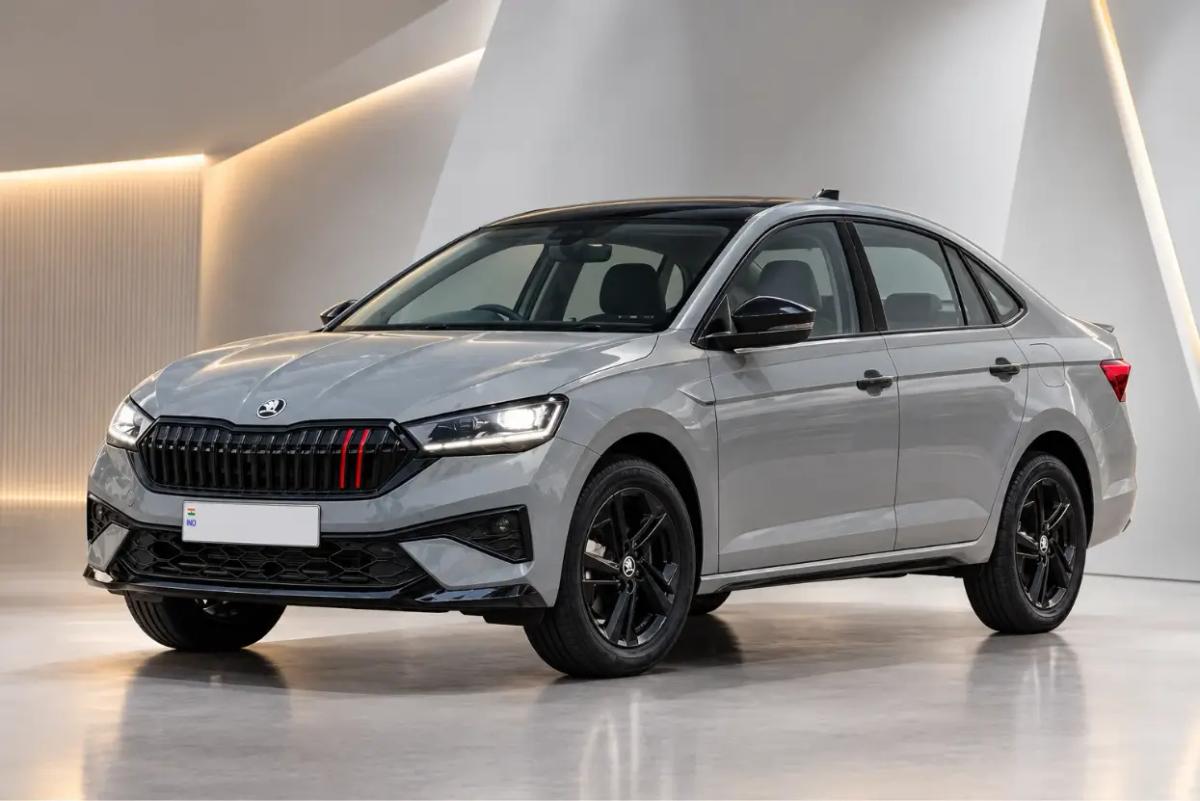
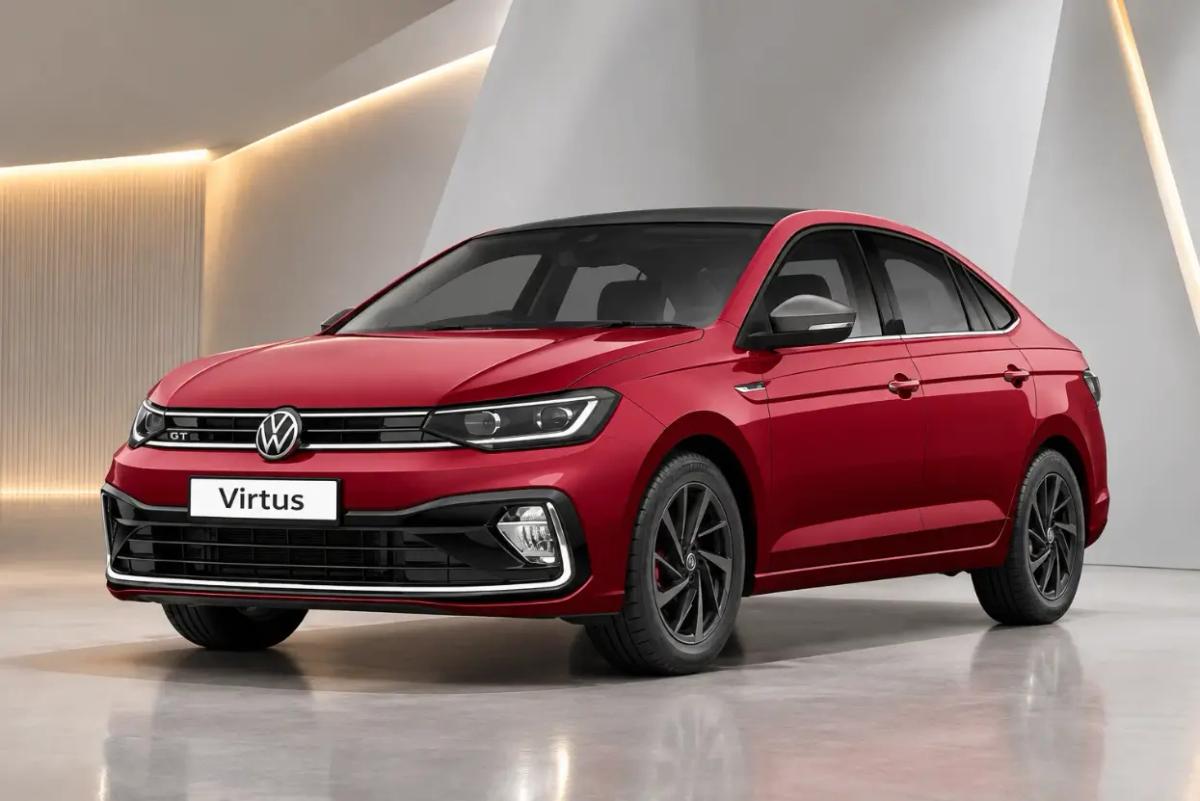
The Volkswagen Virtus and Skoda Slavia are the driver's picks, both starting near ₹10 to 10.7 lakh. Their 1.0 turbo engines out-accelerate every petrol SUV on this page, and a Virtus facelift is due in July 2026 if you'd rather wait. Rear seats are firm and service costs run above Maruti's. Buy them for the drive.
Best Hatchbacks Under 15 Lakh
The Tata Altroz is the safety pick. It's the only hatchback here with a 5-star crash rating, priced ₹6.30 to 10.77 lakh, and it rides with the composure of a bigger car. Automatic choices are limited and the rear seat is snug for three.
The Hyundai i20 is the premium pick at ₹6 to 10.63 lakh. It has the best cabin quality in the class and a 7-speed DCT automatic. The 1.2 petrol is adequate, not exciting, and returns 16 to 17 kmpl in mixed driving.
The Maruti Baleno is the balanced pick. Big cabin, light controls, a claimed 22.35 kmpl, and Maruti's service network behind it. A facelift is expected around October 2026, so a discount on the current car is worth pushing for.
Best MPVs & 7-Seater Cars Under 15 Lakh
The Maruti Ertiga is the default, and sales prove it: India's third best-selling car in May 2026. You get three usable rows, around 20 kmpl from the 1.5 petrol, and factory CNG that cuts running cost to roughly ₹2.5 per km. The cabin is basic and the feature list thin. It moves seven people cheaply; it doesn't pamper them.
The Kia Carens fixes that. Its whole range sits at ₹11.02 to 12.88 lakh ex-showroom, so even the top trim stays under budget, with a sunroof and better seats than the Ertiga. The diesel sits above this budget. Petrol it is.
The Toyota Rumion is the Ertiga in a Toyota suit. Same engine, same body, built by Maruti. You pay roughly ₹70,000 extra for the badge and Toyota's longer warranty support. Worth it only if that warranty matters to you.
The Mahindra Bolero Neo is the rough-roads pick at ₹8.85 to 10.50 lakh. Body-on-frame build, simple mechanicals, easy village-level service. It rides stiff, the cabin is dated, and its safety record is weak. A workhorse, not a family cruiser.
Top Electric Cars Under 15 Lakh
EVs make the most sense in this budget because the savings hit where you drive daily. Running cost lands near ₹1 per km against ₹6 to 7 for petrol. And in Delhi and several states, EVs skip road tax, so the on-road price sits barely ₹50,000 above ex-showroom.
Tata Punch EV
The Tata Punch EV is the strongest first EV. The 2026 update brought a 40 kWh battery rated at 468 km ARAI; plan for 300 to 330 km in real driving. That covers a week of city commutes per charge. The flaw is slower DC fast charging than rivals, so highway trips need planning.
Mahindra XUV 3XO EV
The Mahindra XUV 3XO EV is the range pick at ₹13.89 to 14.96 lakh. Its 39.4 kWh pack claims 456 km with faster charging than the Punch EV. It's new, so long-term reliability is unproven. That's the trade.
MG Windsor EV
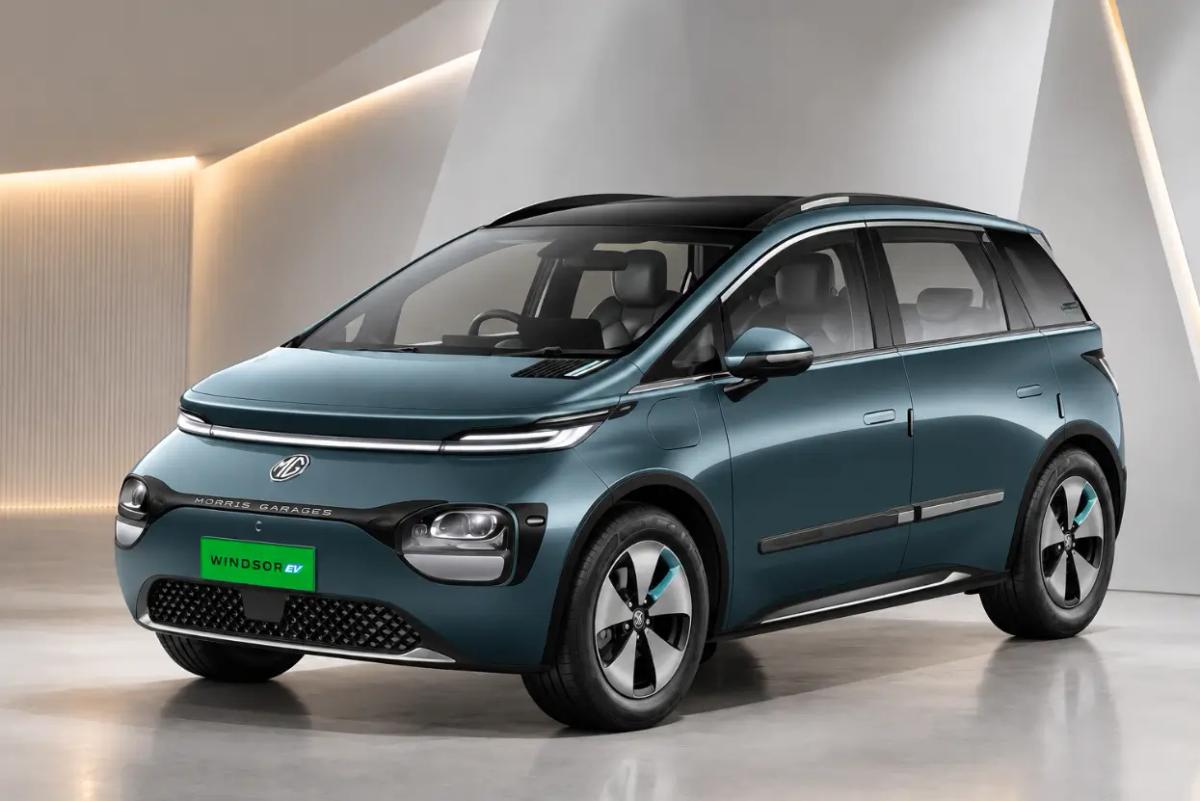
The MG Windsor EV is the space wildcard. Its base trim slips under ₹15 lakh, and MG's rent-the-battery plan cuts the upfront price further. Resale is weaker than Tata's. On cabin space per rupee, though, nothing here touches it.
Leading CNG Cars Under 15 Lakh
Factory-fitted CNG keeps your warranty intact and runs near ₹2.5 per km. Three CNG cars stand out when we compare them with other CNG options.
-
The Maruti Ertiga CNG is the family answer, the only 7-seater with factory CNG at this price.
-
The Maruti Fronx CNG claims 28.51 km/kg, the best CNG figure in this budget.
-
Tata Punch got a first-of-its-kind update in January 2026: a twin-cylinder CNG tank paired with an AMT automatic, so you keep usable boot space and skip the clutch. No other CNG car here offers both.
One check before you book any of these: open the boot with the cylinder in place. Single-cylinder setups eat most of it.
Best Diesel Cars Under 15 Lakh
Diesel pays back only if you drive over 1,500 km a month. If you do, two cars matter.
The Tata Nexon diesel is the all-rounder, a 1.5 unit with strong mid-range pull and the same 5-star shell. It clatters at idle. The Kia Sonet is the rarity: the only sub-compact SUV here with a diesel automatic, which makes it the pick for high-mileage city drivers who hate clutch work. The Mahindra Scorpio-N base Z2 is the torque option, but remember it crosses ₹15 lakh on-road.
Best Automatic Cars Under 15 Lakh
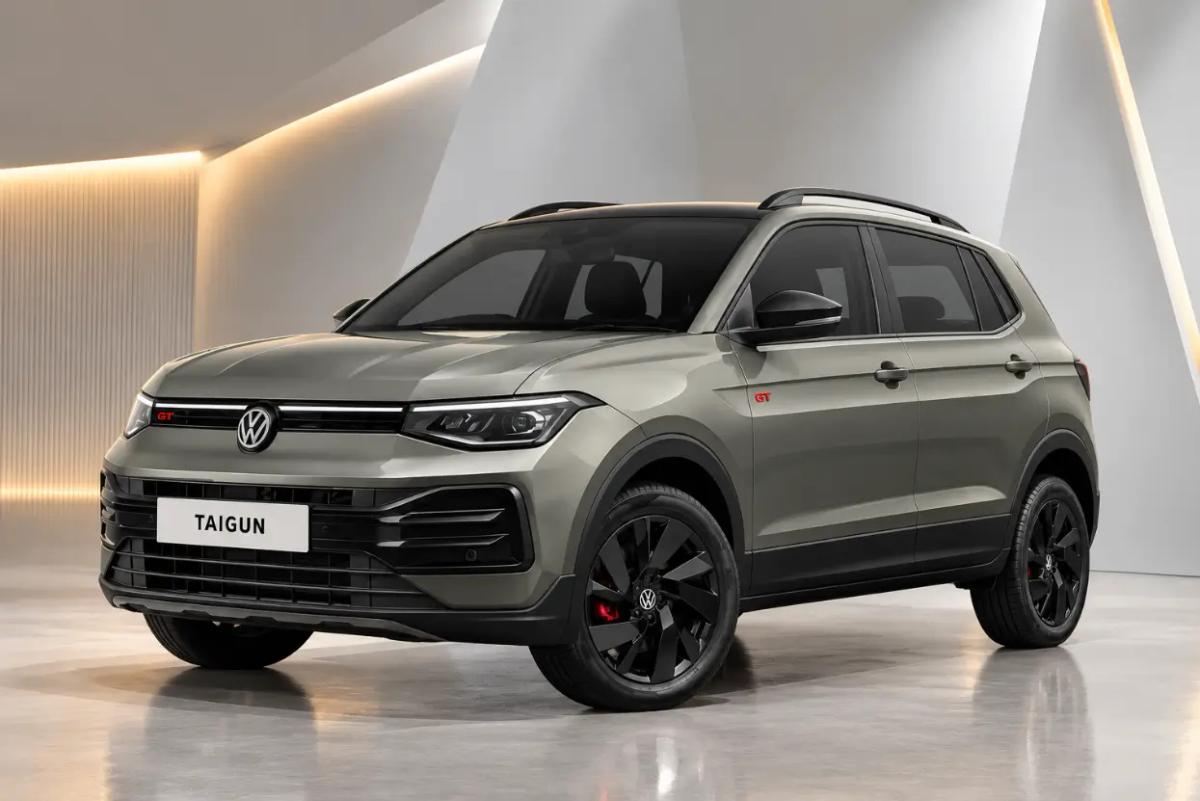
Pick the gearbox, not just the car. The Tata Punch AMT is the cheapest automatic entry, but AMTs pause between shifts; test it before deciding. The Honda Amaze CVT is the smoothest in traffic. The Tata Nexon's 7-speed DCT is the quickest. And the Volkswagen Taigun's April 2026 facelift added a new 8-speed torque converter from ₹10.99 lakh, the most relaxed highway automatic at this price.
Best Mileage Cars Under 15 Lakh
The headline numbers come with a catch. The Maruti Victoris claims 28.65 kmpl and the Grand Vitara 27.97 kmpl, the two highest figures in this budget. Those numbers belong to their strong hybrid trims, which cost more than ₹15 lakh. The trims you can afford run the mild hybrid and return closer to 20 to 21 kmpl. Know which one the dealer is quoting.
For honest under-budget mileage, the Maruti Dzire claims 24 to 25 kmpl, Maruti Fronx CNG does 28.51 km/kg, and the Honda City hybrid leads sedans at 27.26 kmpl if you can stretch to it. ARAI figures all; knock 15 to 20% off for real-world driving.
Cars With Impeccable Safety Standards
Five-star crash ratings are no longer a premium feature. The Tata Nexon, Tata Punch and Tata Altroz all carry 5 stars, which is why Tata owns the safety conversation at this price. The Mahindra XUV 3XO matches the 5 stars and adds Level 2 ADAS. The Volkswagen Taigun and Skoda Kylaq bring 5-star European-grade builds.
The other side of the ledger: the Mahindra Bolero Neo's older version scored just one star, and the Maruti Brezza's rating trails the Tatas. If safety leads your list, start with the Nexon, XUV 3XO or Altroz and work from there.
Upcoming New Cars Under 15 Lakh in 2026–2027
Five launches are worth waiting for, and one of them might change your decision today.
The Maruti Brezza facelift arrives around September 2026 with an updated turbo engine. This is why current Brezza sales fell 15% in May; buyers are waiting, and you want to buy it at the current discount.
The Hyundai Inster EV comes in mid-2026 at an expected ₹9 to 12 lakh with a 42 kWh pack, a direct Tata Punch EV rival.
The Renault Bigster comes in at an expected ₹13 to 18 lakh as a value mid-size SUV play.
The Volkswagen Virtus facelift is due in July 2026 at around ₹10.5 lakh. And the VinFast VF3 micro EV is expected to be priced near ₹7.5 lakh by late 2026, an untested brand, but at a tempting price.
The pattern: if your pick is the Brezza or Virtus, waiting two to four months gets you the newer car or a bigger discount on the old one. Either way you win.
How to Choose the Right Car Under ₹15 Lakh
Start with where you drive, not what you like. Mostly city: a compact automatic like the Punch AMT or Amaze CVT, or the Punch EV if your daily run stays under 60 km, since the fuel savings repay the EV premium in about four years. Mostly highway: a diesel Nexon, the City, or the Taigun with its new 8-speed. Mixed use: the Nexon petrol or Creta base covers everything without a weak spot.
Match the body to your family, honestly. Four people fit any car here. Five regulars need the Creta's width or the Ertiga's space. Six or seven means Ertiga or Carens, full stop; a squeezed 5-seater gets old in a month.
Fundamentals beat features. A sunroof is nice on day one. A 5-star rating, 20 kmpl and a service centre near home matter for ten years. Spend on the second list first, then add features with what's left.
If you can stretch past ₹15 lakh, know what the extra money buys. About ₹1.5 to 2 lakh more unlocks the Creta's mid trims with ventilated seats, the strong hybrid Grand Vitara with its real 27.97 kmpl, or the Mahindra XUV 7XO's three rows with ADAS. If none of those three solves a problem you have, stay under 15 and save the cash.
Before you sign, run this checklist. Test drive your exact variant, not the base car the showroom keeps ready. Get the on-road quote in writing for your city. Compare the dealer's insurance quote with an online one; the gap often crosses ₹15,000. And read the extended warranty's engine and gearbox terms before buying it, because that's the only part you'll likely use.
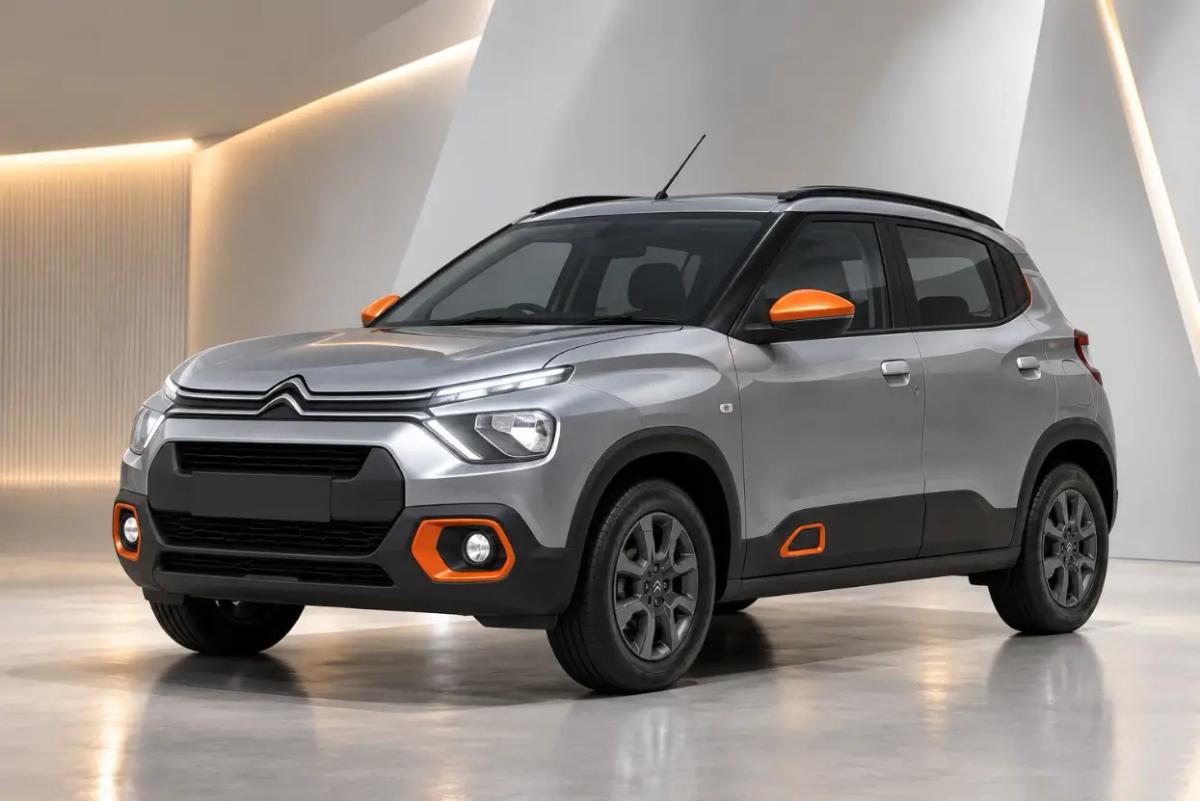
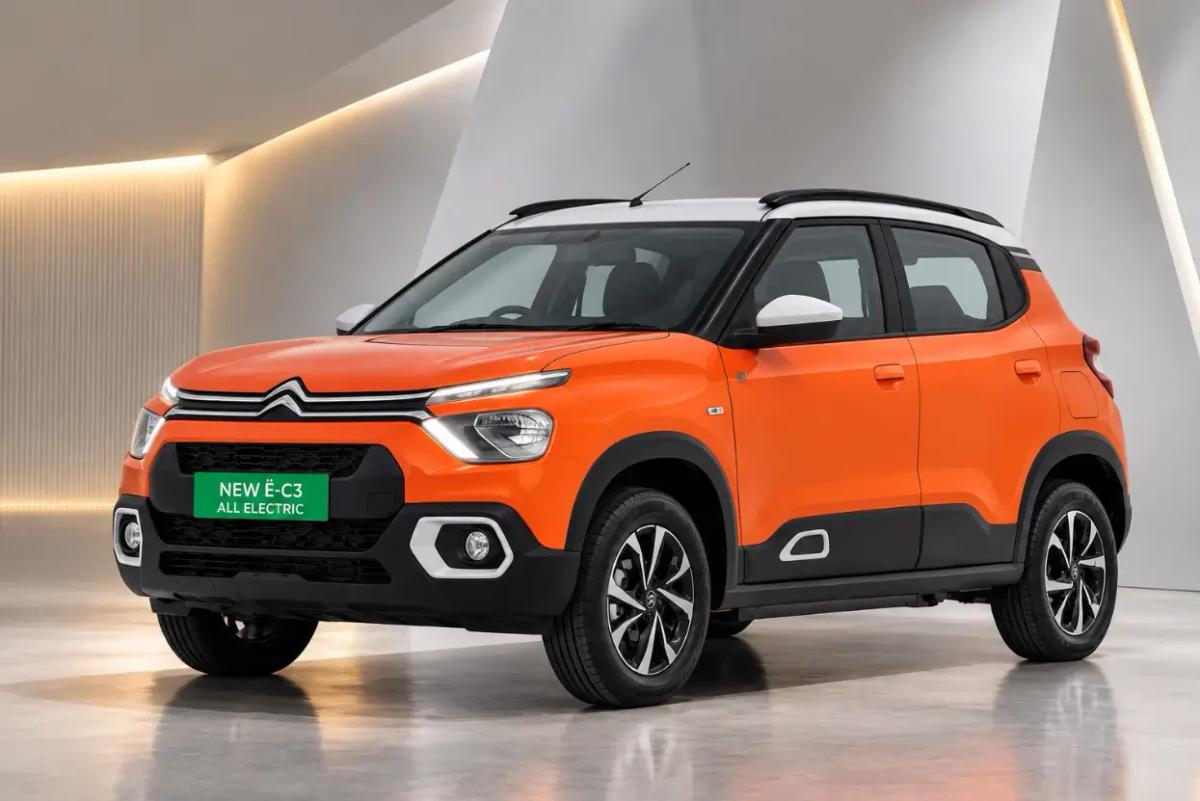
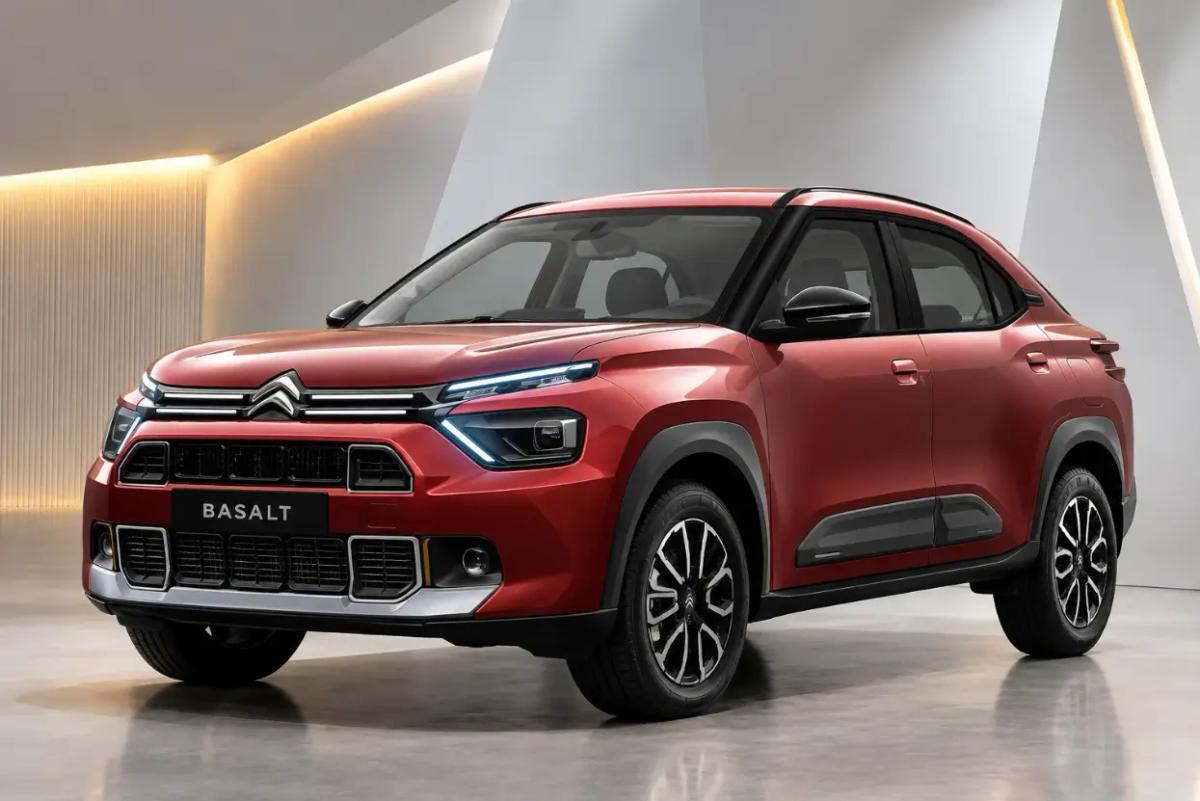
Last factor people forget: resale. A Maruti or a Creta loses value the slowest. A Citroen or an MG loses it fastest. If you change cars every five years, that gap is real money.
-1759757521007.webp&w=1200&q=75)