

Full expert breakdown
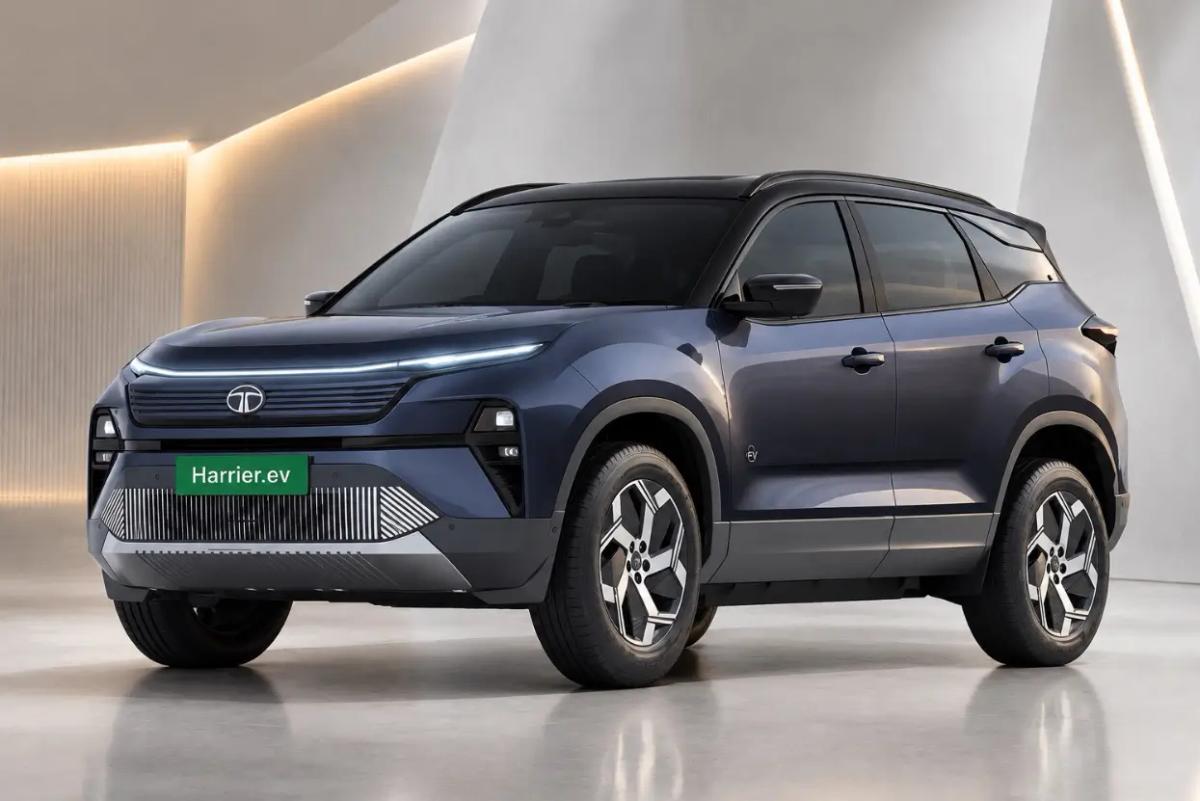
Tata Harrier EV claims 627 km of range. But in my research, independent tests got 407-435 km real word range. That almost 200 km gap tells you to see the car differently. The spec sheet oversells. The real thing still holds up.
The difference between whether you will regret buying Tata Harrier EV or not, depends on one number: how many kilometres you drive every month.
Under 800 km, the maths does not work. Over 1,200 km, few cars at this price make more sense.
Where you fall between those two figures decides everything else.
Tata Harrier EV Price : Ex-Showroom and On-Road
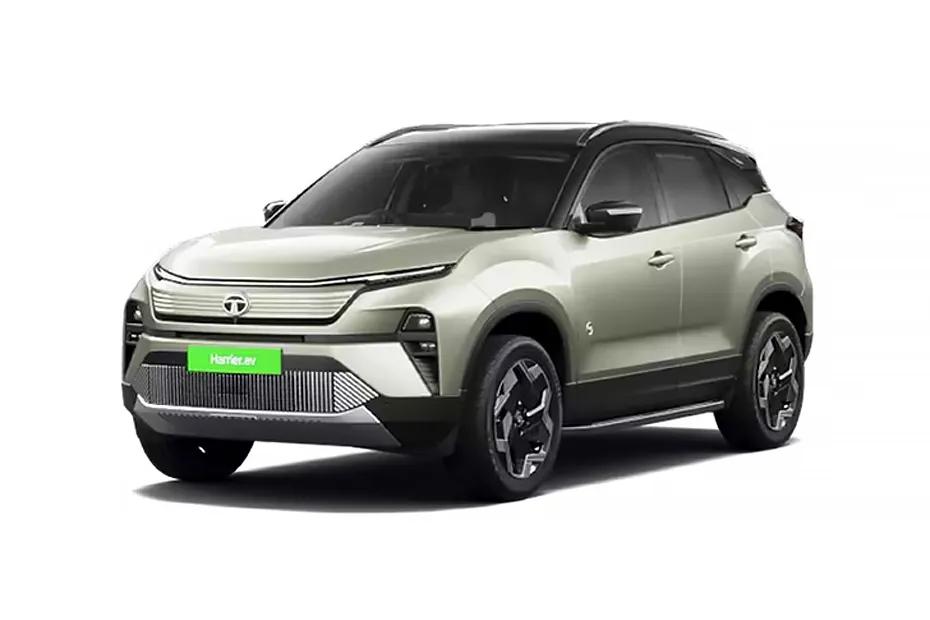
The Tata Harrier EV price in India starts from ₹21.69 lakh for the base variant Adventure 65 and goes to ₹30.43 lakh for the top variant Empowered QWD 75 Stealth ACFC. The whole Harrier EV lineup covers 18 variants across three trims: Adventure, Fearless Plus and Empowered.
The Tata Harrier EV on-road price ranges around ₹22.8 lakh to ₹32.5 lakh. Delhi waives road tax on EVs, so on-road price sits only a few percent above ex-showroom. Insurance costs the most, around ₹85,000 on the base car.
Check your own state. The Tata Harrier EV price on road varies more between states than the ex-showroom Harrier EV price varies between variants.
Tata Harrier EV Range: Claim vs Reality
Tata quotes 538 km for the 65 kWh battery and 627 km for the 75 kWh. Both figures come from the MIDC test cycle.
But in my research, I found every independent Tata Harrier EV range test landed between 407 to 435 km in real word conditions.
Now the part that flips everything you know from petrol cars. This SUV is more efficient in traffic than on the highway.
If your running is mostly urban, your range picture is better than those test numbers suggest. Some 65 kWh owners report 450 km in pure city use.
On Tata Harrier EV mileage in the way Indian buyers mean it, claimed efficiency is around 8.3 km per unit. Real-world sits at 5.2 to 5.5. Plan with the lower number.
Time It Takes to Charge Tata Harrier EV
A 120 kW DC fast charger takes the battery from 20 to 80 percent in about 25 minutes. Tata claims 250 km added in 15 minutes on the 75 kWh pack. Those numbers hold up, provided you find a charger actually delivering rated power. Outside metro corridors, that is still a gamble.
At home, the Tata Harrier EV charging time depends on which charger you bought. The 7.2 kW unit needs about 10 hours 42 minutes for 10 to 100 percent. The standard 3.3 kW unit takes more than double.
The 7.2 kW upgrade costs around ₹50,000. Here is how to decide.
The 3.3 kW charger adds roughly 17 km of range per hour. Ten hours overnight gives you about 175 km.
Commute 40 or 50 km a day? Keep your money. Cover 150 km or more regularly? Buy the faster charger or you will resent the car by month two.
Running cost is where this SUV earns back its premium. Home charging at ₹8 a unit and 5.3 km per kWh works out near ₹1.5 per kilometre.
A diesel Harrier at 16.8 kmpl costs well over ₹5 per kilometre. On 1,500 km a month, that is roughly ₹55,000 a year saved.
Public fast charging costs far more per unit. A car that lives on highway chargers will not show anything close to that saving.
Tata Harrier EV Interior
The Tata Harrier EV interior is why people walk out of showrooms having signed.
The centrepiece is a 14.5-inch Samsung Neo QLED touchscreen, the first automotive use of that panel anywhere in the world. It looks expensive because it is. Behind the wheel sits a 12.3-inch digital cluster. The JBL Black 10-speaker system is properly good, not just loud.
Higher trims add ventilated and powered front seats with memory, dual-zone climate, a panoramic sunroof and cooled storage under the armrest. Tata kept physical buttons for core functions. Owners doing long highway runs list this as a quiet win over rivals that buried everything in menus.
Two features earn their place rather than filling a spec sheet. The 540-degree camera shows what sits directly under the car, which matters on unmarked speed breakers. DrivePay handles charging payments through in-car UPI, and it works.
Space is good. The 2,741 mm wheelbase gives generous rear knee room, and powered Boss Mode slides the front seat forward for the passenger behind.
Boot space is 502 litres plus a 67-litre frunk, opening to 1,120 litres with seats folded. The frunk swallows the charging cable, which keeps it out of your boot.
The Tata Harrier EV seating capacity is five. Do not wait for a seven-seat Harrier EV. Nothing in Tata's public roadmap suggests it is coming.
Tata Harrier EV Ground Clearance and Top Speed
Tata Harrier EV ground clearance is 205 mm. For Indian roads, that is the most practical trait on this car. It clears the speed breakers that scrape lower EVs. It also sits the battery pack high enough that a flooded street is not automatically a crisis.
The Tata Harrier EV top speed is 180 kmph, electronically limited. The dual-motor QWD does 0 to 100 kmph in a claimed 6.3 seconds. The 65 kWh rear-wheel-drive car makes 238 hp and 315 Nm, already more than the diesel Harrier ever managed. The QWD makes 313 hp and 504 Nm.
But speed is not why you buy this. The ride is.
At 2,235 to 2,336 kg, this SUV is heavy, and Tata used that weight well. It settles over broken surfaces in a way lighter EVs cannot, and stays planted at 120 kmph without the nervousness that afflicts tall electric SUVs.
But I feel the brake pedal is vague and takes adjustment.
And below 10 percent charge the car throttles itself, capping speed at 78 kmph, then 60 kmph at 5 percent, then cutting the AC. Sensible engineering. Unpleasant at night on a highway.
Tata Harrier EV Battery Warranty
The Tata Harrier EV battery warranty is the strongest in the segment, and it deserves attention. The first private owner gets a lifetime warranty with unlimited kilometres on the pack.
Read the fine print though. Tata defines lifetime as 15 years from first registration, personal use only. Commercial or fleet use falls outside it.
From the second owner onwards it drops to 10 years or 2,00,000 km. Motors carry 8 years or 1,60,000 km. The vehicle gets 3 years or 1,25,000 km.
On the Tata Harrier EV battery price as a replacement part, Tata publishes no figure. Any number you see online is a guess.
What matters practically: a first owner keeping the car for its normal life is covered. Both packs use LFP chemistry, which handles heat and full charging better than the alternatives.
My Driving Concerns with Harrier EV
Tyre wear is the loudest complaint. Owners report rear tyres finished between 9,000 and 12,000 km. One needed a replacement at 9,000 km. Another found both rear tyres bald at 10,000 km, facing a ₹40,000 bill.
Two causes come up repeatedly. Wheel alignment issues from delivery, and 315 Nm of instant torque acting on soft, low-rolling-resistance rubber.
Check alignment at your first service and again at 5,000 km. Budget ₹20,000 or more per tyre.
Software glitches are the second theme. Early owners reported infotainment freezes, key fob detection failures, camera dropouts and unresponsive gesture tailgates.
Over-the-air updates have reduced the noise. But this is a software-heavy car and it behaves like one.
Service experience splits opinion. Some owners are satisfied. Others describe poor parts availability and slow warranty handling.
Talk to Harrier EV owners in your own city before booking. Consistency varies by dealer, not by brand.
None of this makes it a bad buy. All of it should shape what you expect.
Which Tata Harrier EV Variant to Buy
Skip the base Adventure 65 unless budget is tight. Adventure S adds a panoramic sunroof for around ₹50,000, which is fair money.
Fearless Plus is the sweet spot. It brings the 360-degree camera, JBL sound, ventilated powered front seats, dual-zone climate, wireless charging, 19-inch alloys and a driver knee airbag. Take it with the 75 kWh battery if you can. Range anxiety costs more in daily stress than the price gap costs in EMI.
Tata added a Fearless Plus QWD 75 at ₹26.69 lakh. That finally brought all-wheel drive below the top trim, and it is the smart pick if you want dual motors without the Empowered premium.
Empowered adds Level 2 ADAS, digital IRVM, transparent bonnet view and a powered tailgate. Worth it if ADAS matters to you. If not, Fearless Plus gives you nearly the same car for less.
Tata Harrier EV vs Rivals
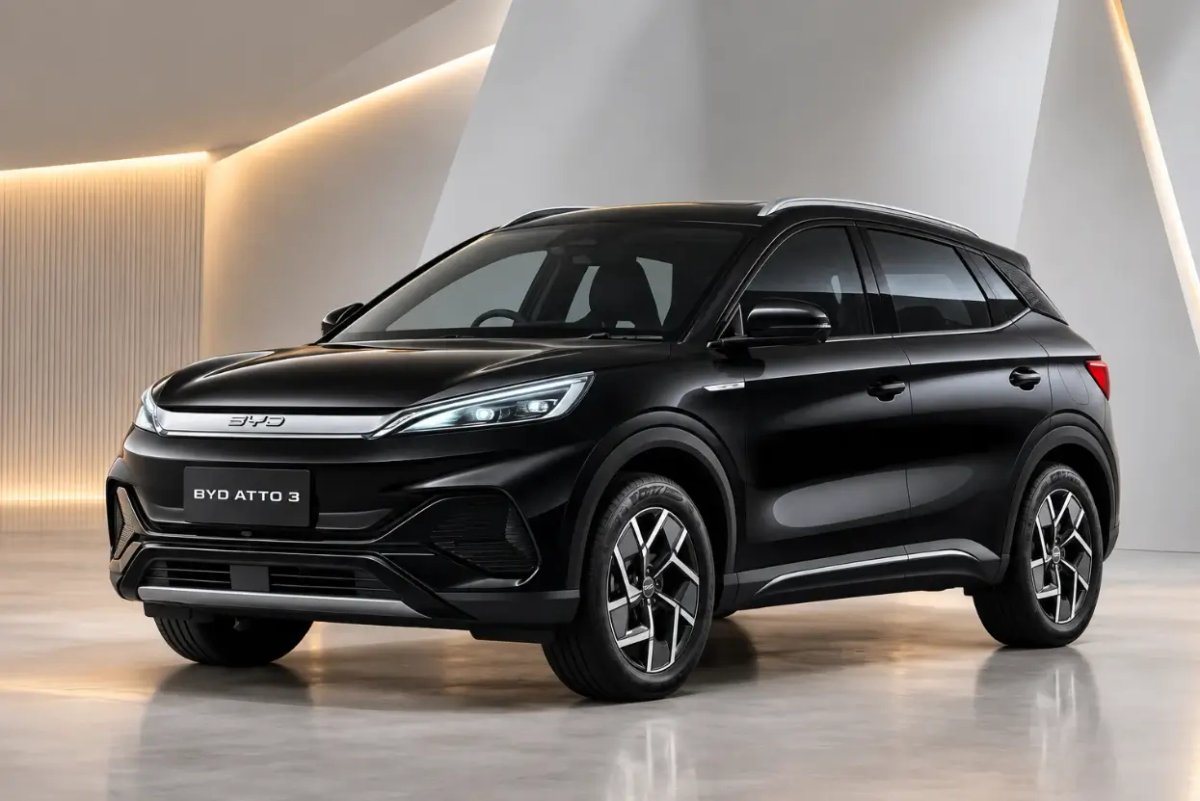
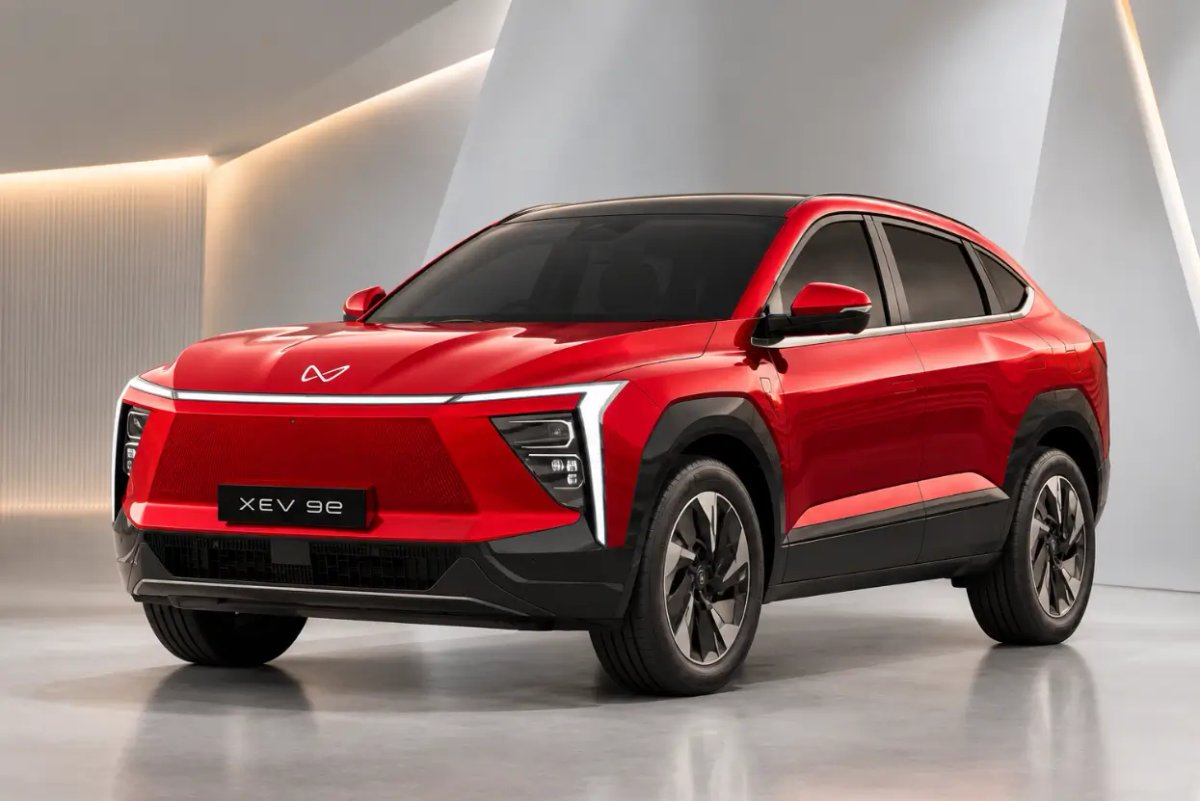
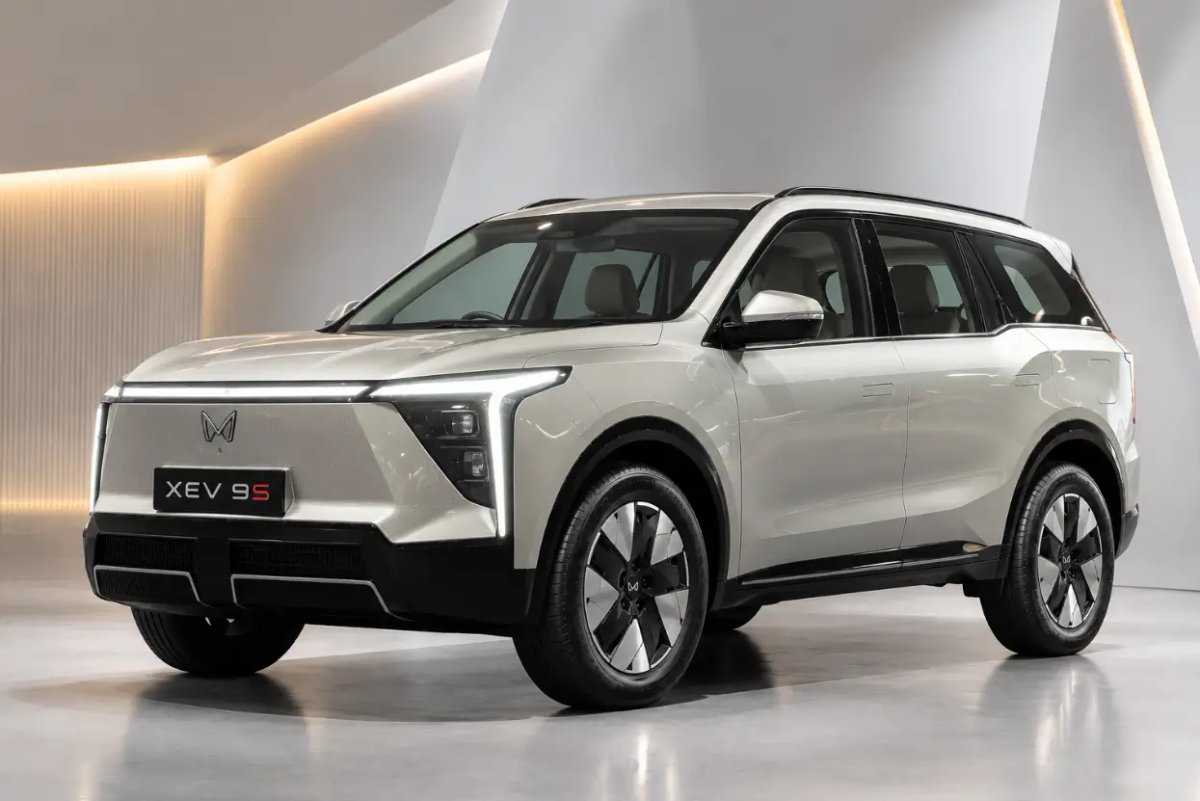
The Mahindra XEV 9e is the direct rival at ₹21.90 lakh to ₹31.25 lakh. It has a longer wheelbase, true one-pedal driving and a flashier triple-screen cabin. This SUV answers with better ride comfort, higher ground clearance and physical controls.
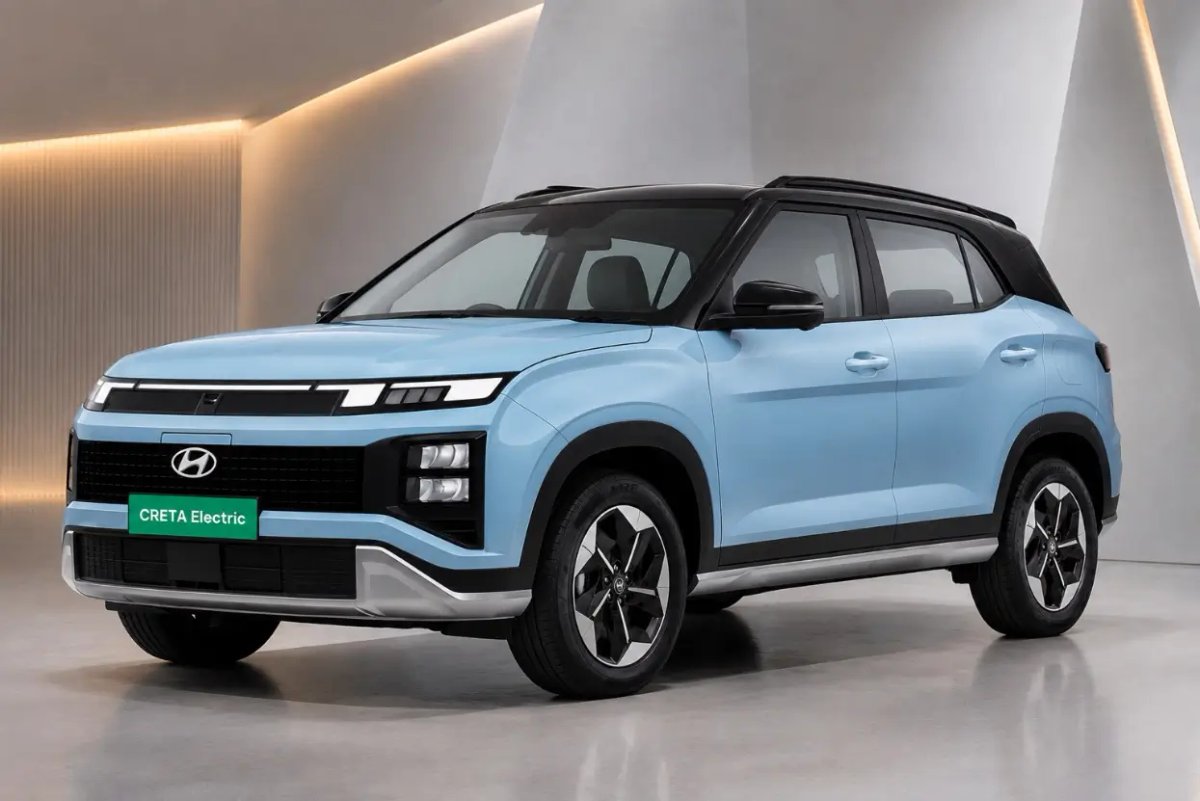
The Hyundai Creta Electric starts at ₹18.02 lakh and undercuts it heavily. But it is a smaller car with a smaller battery. Different buyer.
The Mahindra BE 6 from ₹18.90 lakh is the value play if you want performance over space.
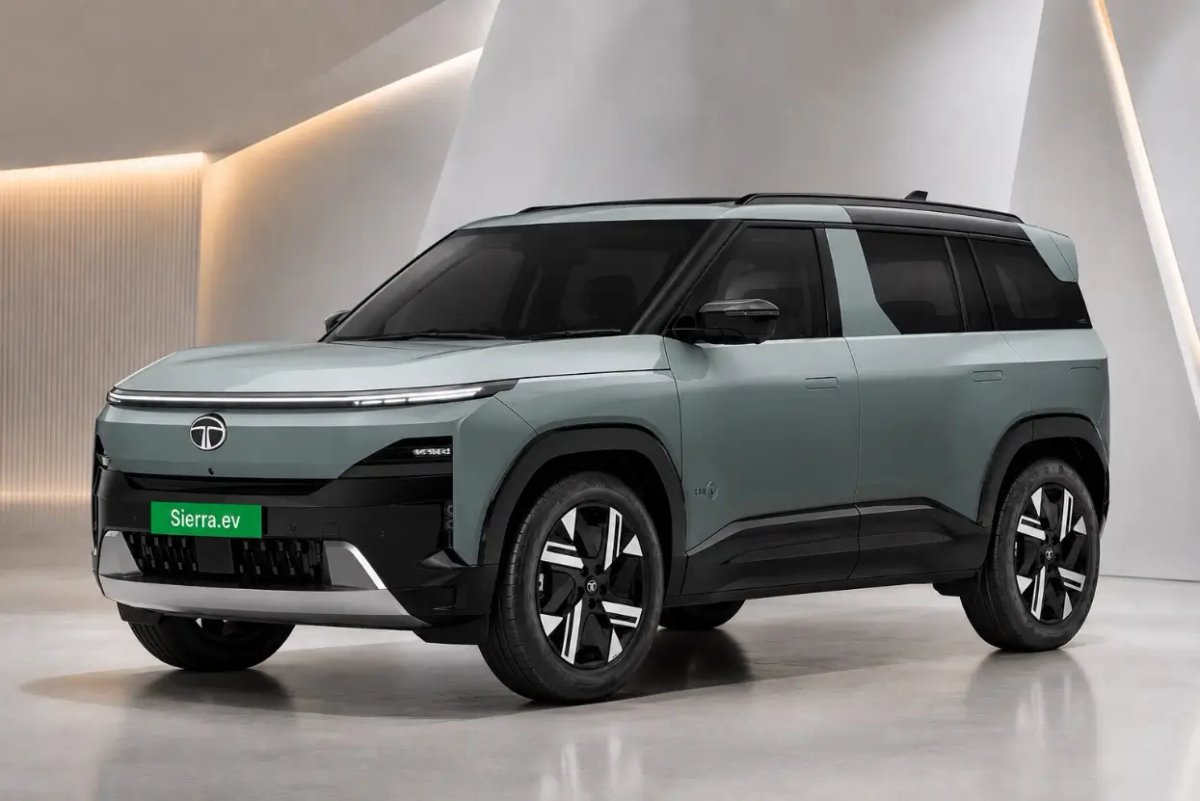
Inside Tata's own showroom, the Sierra EV now starts at ₹18.79 lakh and will tempt anyone shopping the lower end of this range.
Should You Buy the Tata Harrier EV?
Buy it if you drive more than 1,200 km a month and can install a home charger. At that usage, the running-cost saving covers a real chunk of your EMI. The ride quality and cabin make the daily grind pleasant. The lifetime battery warranty removes the biggest fear people have about going electric in India.
Think harder if you drive under 800 km a month. The savings will not justify the premium over a diesel Harrier, and you pay for capability you never use. Do not buy it if you need seven seats, have no home charging, or have low patience for software niggles and dealership friction.
No Harrier EV solves the first problem. The other two are structural.
For a metro family doing steady daily kilometres, this is still the most complete electric SUV under ₹30 lakh. The trade-offs are real, and they are manageable.