



Full expert breakdown
Hyundai Bayon is a new SUV designed for Indian buyers looking for modern styling, smart technology, comfortable driving and everyday practicality. Positioned between the Hyundai Venue and Creta in the brand’s SUV lineup, the Bayon brings a distinctive exterior design, a technology-focused cabin and a petrol powertrain suited to city commuting and highway travel.
The India-spec Hyundai Bayon features a 1.5-litre petrol engine, manual and automatic transmission options, dual panoramic displays and connected-car technology. It is aimed at buyers who want a feature-rich SUV for family use, daily travel and weekend journeys.
Hyundai Bayon Price in India
The Hyundai Bayon is scheduled for launch in India on 26 October 2026, with its official price announcement expected at launch. Before the price announcement, industry estimates placed its expected ex-showroom price in the ₹10 lakh.
Customers can book the SUV through Hyundai dealerships or the company's official website. The booking amount announced by Hyundai is ₹11,000. The final price may vary by variant and equipment level.
Engine and Performance
Hyundai Bayon is powered by a four-cylinder, 1.5-litre MPi naturally aspirated petrol engine. It produces 115 PS of maximum power and 143.8 Nm of peak torque. This engine is designed to deliver smooth performance for everyday commuting, urban driving and highway journeys.
Buyers can choose between a six-speed manual transmission and Hyundai's Intelligent Variable Transmission (iVT) automatic. The automatic version includes paddle shifters and Eco, Normal and Sport drive modes. It also features Dash Boost Mode and Sporty Drive Tech to improve responsiveness during acceleration and overtaking.
The Bayon uses a front-wheel-drive layout, making it suitable for regular road use and family transportation.
Mileage and Fuel Efficiency
The official fuel-efficiency figure for the India-spec Hyundai Bayon should be checked against the final variant specifications. Actual mileage will depend on transmission choice, traffic conditions, driving style, road surfaces and vehicle load.
The naturally aspirated petrol engine is designed to balance everyday performance and usability. A factory-fitted CNG version has also been discussed in industry reports as a possible future addition, but buyers should wait for an official confirmation before considering it a confirmed variant.
Exterior Design
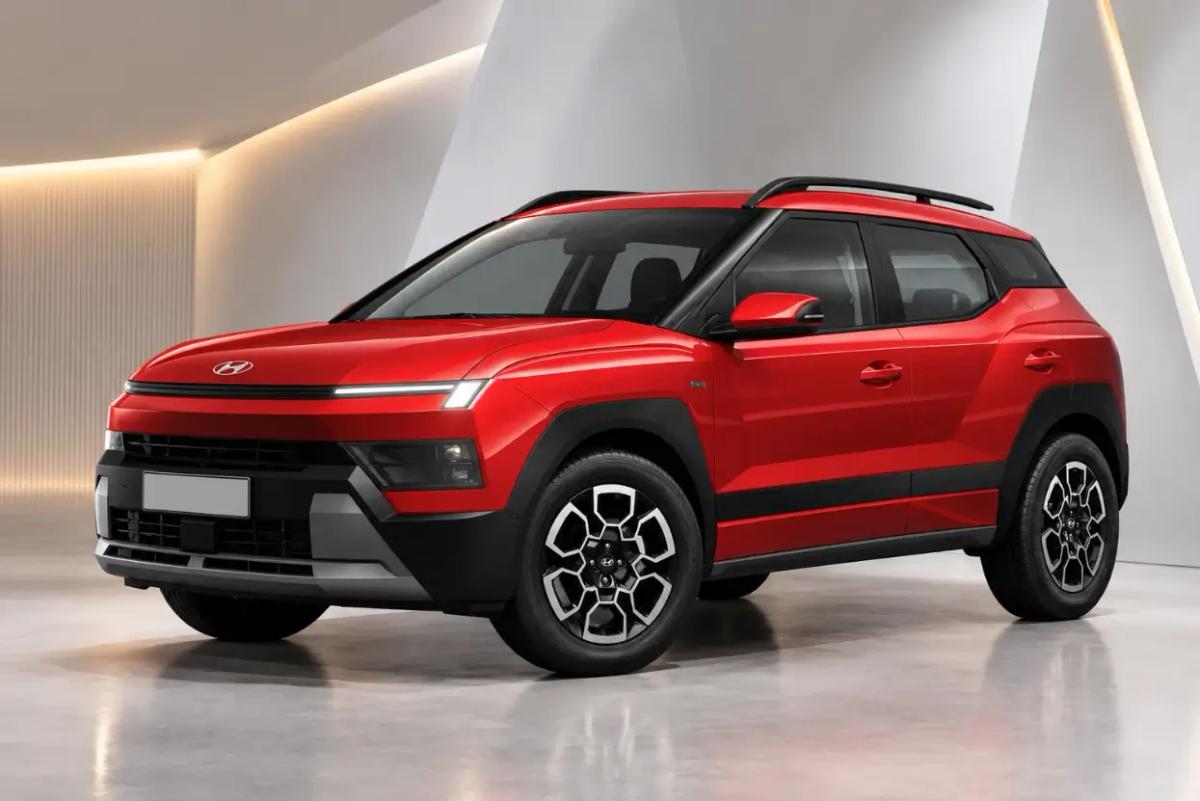
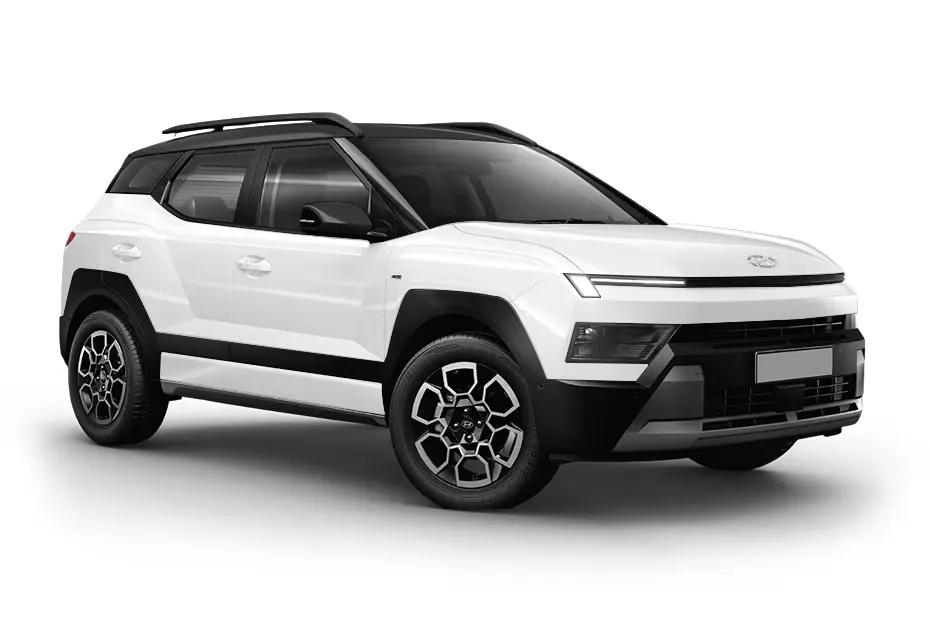
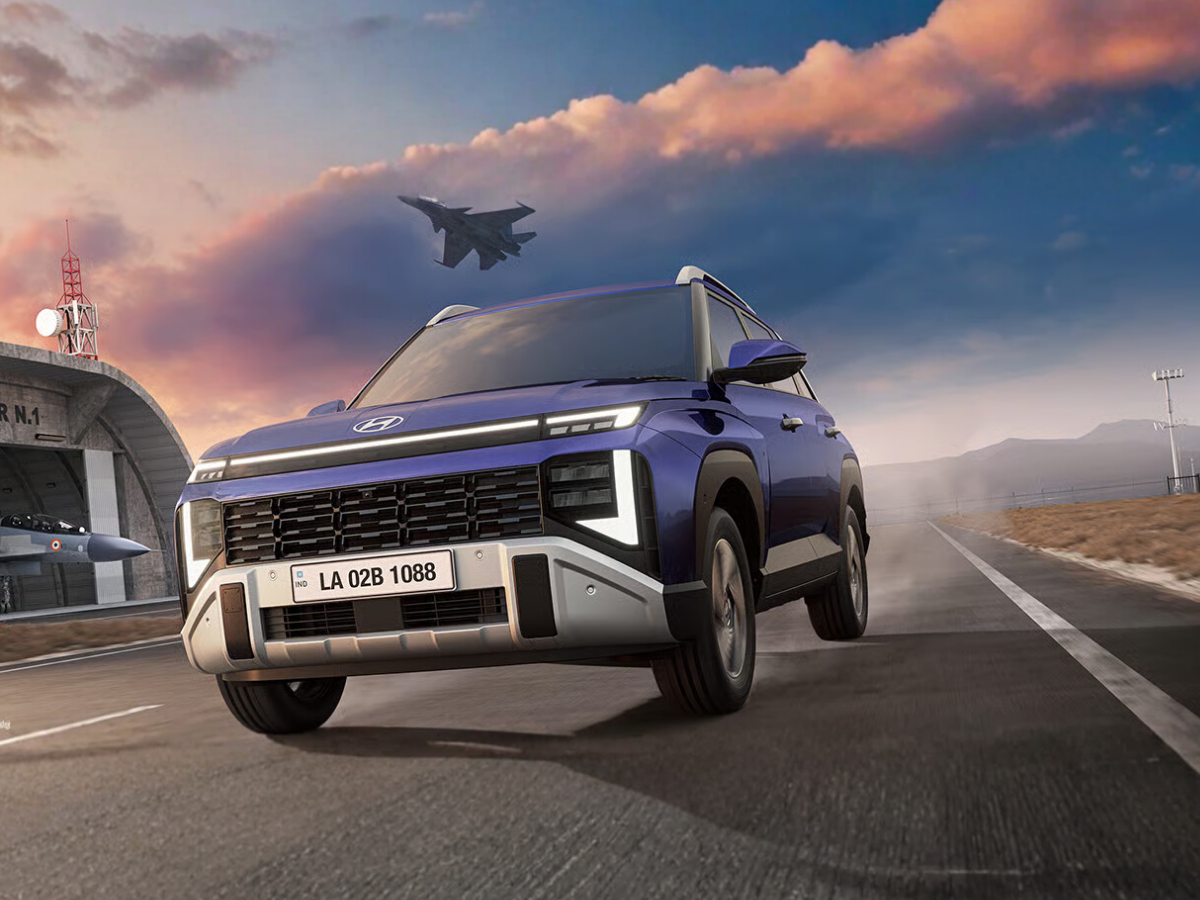
Hyundai Bayon features a modern SUV design based on Hyundai's Art of Steel styling language. Its front design includes distinctive H-shaped LED daytime running lights, a split-headlamp arrangement and a sculpted bumper.
The side profile features prominent wheel-arch cladding, stylish alloy wheels and a raised SUV stance. At the rear, slim tail lamps, a roof spoiler and a sculpted bumper give the vehicle a distinctive appearance.
Its design aims to combine a contemporary look with practical proportions for city driving, parking and family travel.
Interior, Infotainment and Comfort
Hyundai Bayon has a technology-focused cabin featuring two 12.3-inch displays: one for the digital instrument cluster and another for the infotainment system. The connected-car navigation cockpit brings together vehicle information, navigation and entertainment functions.
A standout feature is Hyundai's generative AI voice assistant, designed to support more natural voice interactions. The SUV also offers Hyundai Bluelink connected-car technology with more than 70 connected features, along with over-the-air software updates for supported vehicle systems.
Other announced features include a panoramic sunroof, ventilated front seats, a powered driver's seat, wireless phone charging and a premium Bose sound system on applicable variants. Equipment availability may vary by variant.
Safety Features
Safety is an important part of the Hyundai Bayon's equipment package. Announced features include six airbags, electronic stability control, hill-start assist, a tyre pressure monitoring system, rear parking sensors and ISOFIX child-seat mounts.
Higher variants are expected to offer Hyundai SmartSense Level 2 Pro advanced driver assistance systems (ADAS). Depending on the variant, the package includes features such as smart cruise control, highway driving assistance, blind-spot monitoring and a 360-degree camera.
The SUV is being engineered with a focus on occupant protection and driver assistance. Buyers should check the final variant-wise safety list and any independently published crash-test rating before making a purchase.
Key Specifications of Hyundai Bayon
-
Body type: SUV
-
Fuel type: Petrol
-
Engine: 1.5-litre MPi naturally aspirated petrol
-
Engine displacement: 1,497 cc
-
Maximum power: 115 PS
-
Maximum torque: 143.8 Nm
-
Transmission: 6-speed manual / Intelligent Variable Transmission (iVT)
-
Drive type: Front-wheel drive
-
Instrument cluster: 12.3-inch digital display
-
Infotainment screen: 12.3-inch display
-
Connected technology: Hyundai Bluelink with 70+ connected features
-
Voice assistant: Generative AI-powered assistant
-
Safety equipment: Six airbags and electronic stability control, among announced features
-
India launch date: 26 October 2026
-
Expected ex-showroom price: ₹10 lakh.
Hyundai Bayon Rivals
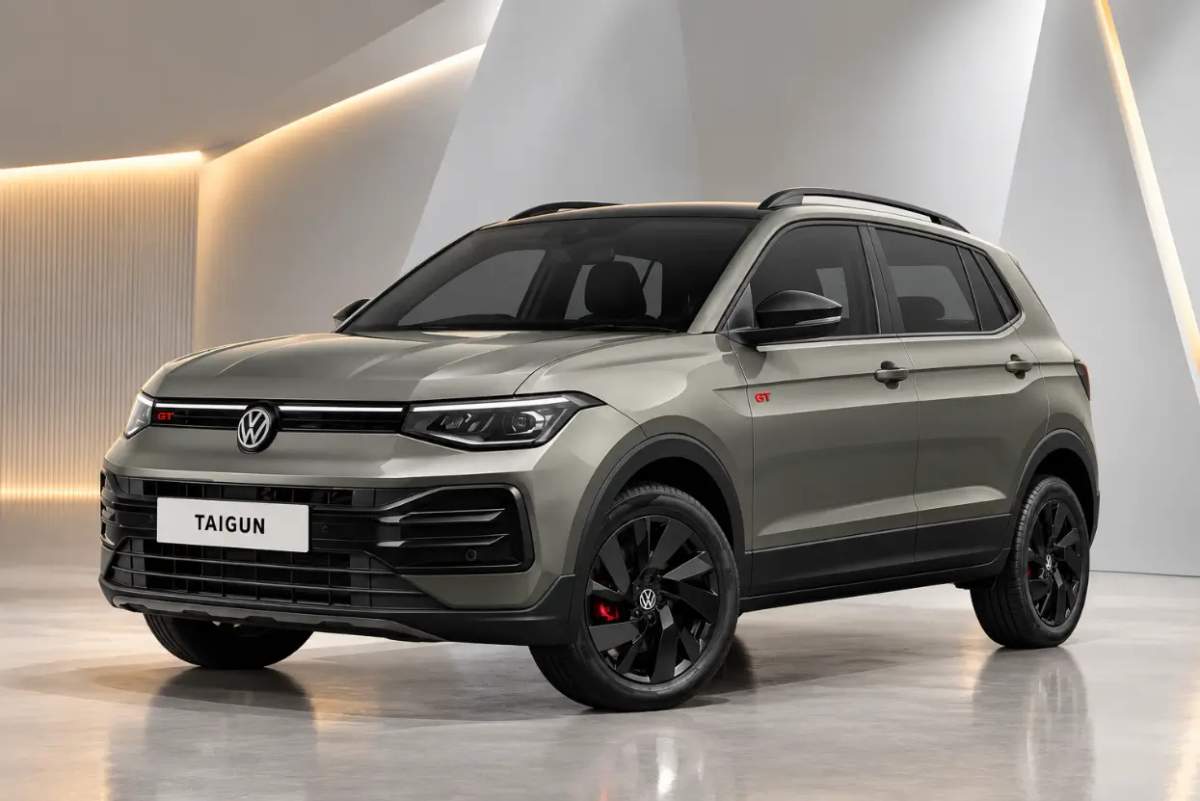
Hyundai Bayon is expected to compete with SUVs in the compact and entry-level midsize segments. Depending on its final price and positioning, potential alternatives include the Maruti Suzuki Victoris, Maruti Suzuki Grand Vitara, Toyota Urban Cruiser Hyryder, Volkswagen Taigun, Skoda Kushaq and MG Astor.
Its final competitive position will depend on variant pricing, equipment, fuel-efficiency figures and the availability of additional powertrain options.
Conclusion
Hyundai Bayon combines a 115 PS petrol engine, manual and automatic transmission choices, a dual-screen digital cockpit and a broad range of connected and safety technologies. Its distinctive styling and family-oriented features make it a promising option for buyers seeking a modern SUV for everyday driving.
With its India launch scheduled for 26 October 2026, the official variant lineup and final prices will help determine its value against competing SUVs. Buyers should confirm the latest pricing, mileage figures and variant-specific features with Hyundai before booking.