
Tata Sierra EV's Biggest Nightmare is This Mahindra EV
This EV arrived months before the Sierra EV and the battle between the two biggest rivals is already loaded. Once Again!


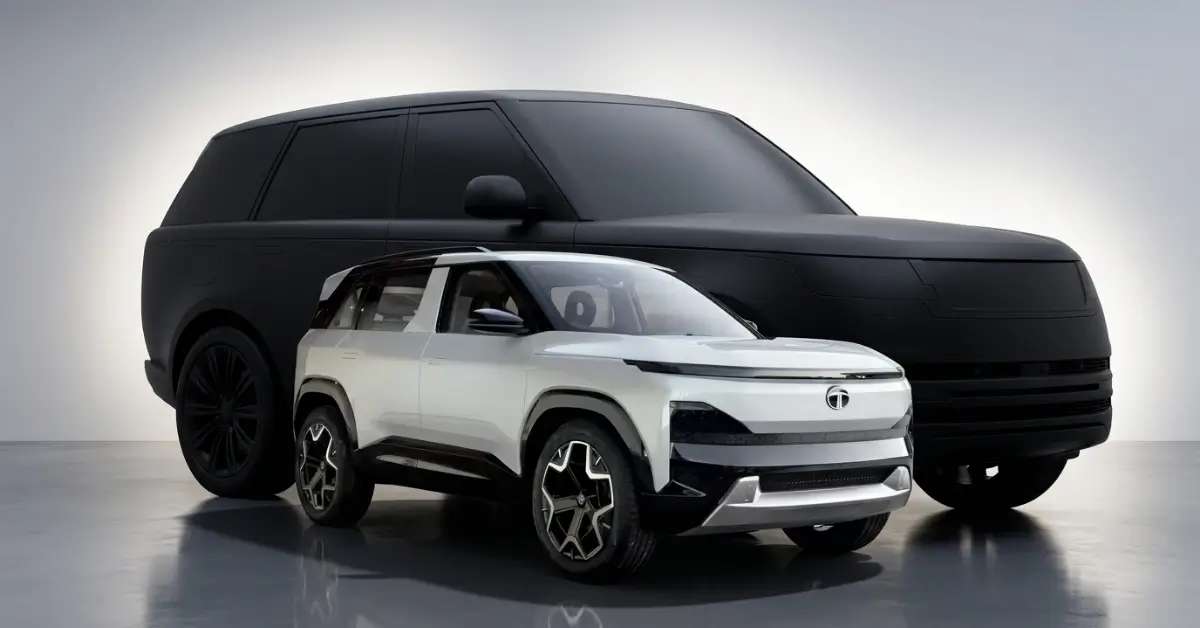
The Tata Sierra EV is one of the most anticipated electric cars. The iconic name, the boxy nostalgia-soaked design, the Gen 2 Acti.ev platform. It has a full story to sell before it even parks in a showroom. But while Tata has been building the hype, Mahindra has already launched the one car that will make YOU rethink if you're considering the Tata Sierra EV.
That car is the Mahindra BE 6. And if you're planning to buy the Sierra EV, you surely can't miss the full review below.
Reason Why Mahindra BE 6 Is the Rival Tata Can Never Ignore
Most mid-size electric SUVs in India right now are safe, advance and sensible family cars. But when it comes to BE 6, Mahindra didn't just build a family car with an electric motor dropped in it.
The BE 6 is a rear-wheel-drive, coupe-SUV with a fighter-jet-inspired cockpit, a 0-100 time of 6.7 seconds, and a design so striking that people on the road are turning heads in desperation for another glimpse of the BE 6. That's the same energy the Tata Sierra EV is chasing. Both cars target the same buyer. And that's what makes this rivalry so spicy.
Specs That Will Force Direct Comparison Between Sierra EV and BE 6
The BE 6 starts at ₹18.90 lakh (ex-showroom) and tops out at ₹26.90 lakh. The Tata Sierra EV is expected to open at around ₹20 lakh, going up to ₹25 lakh. The price bands almost perfectly overlap. But it's the hardware where the BE 6 makes its strongest case.
Two battery options: a 59 kWh pack delivering 228 hp and 380 Nm, and a 79 kWh version bumping that to 281 hp while keeping the same 380 Nm torque. ARAI-certified range figures land at 557 km and 683 km respectively. Real-world range on the 79 kWh, based on owner data from city-plus-highway mixed driving, is comfortably above 450 km. Enough for most buyers to charge twice a week at home and never worry about range anxiety. The 175 kW DC fast charging architecture brings the battery from 20% to 80% in under 20 minutes. That's at a charger. And a 10-minute stop adds roughly 150 km on the 79 kWh pack.
The Sierra EV is expected to carry a 55 kWh and a 65 kWh battery with roughly 450-500 km of real-world range in the larger pack. On paper, the BE 6's 79 kWh range lead is substantial.
The Number That Surprised Everyone: 5-Star Safety
Here's something that often gets buried in spec sheets. The Mahindra BE 6 holds a 5-star B-NCAP safety rating. In a segment where the Hyundai Creta Electric's NCAP score has been a talking point for buyers, the BE 6's safety credentials are genuinely strong. The Sierra EV hasn't been tested yet, but Tata's track record with NCAP ratings (Harrier EV got 5 stars, Nexon EV has historically performed well) suggests they'll match this.
Safety is a draw between these two, at least until the Sierra EV goes through official testing.
What the Mahindra BE 6 Gets Right and One Honest Problem
The interior is where Mahindra drew the sharpest line between the BE 6 and everything else under ₹25 lakh. A 16-speaker Harman Kardon system with Dolby Atmos. An AR-enabled head-up display. Twin wireless chargers. Level 2 ADAS with adaptive cruise control, lane keeping assist, and blind spot monitoring. A powered tailgate. A 45-litre frunk alongside the 455-litre boot. The Arcade.ev infotainment suite with connected features. All of this in a car starting at ₹18.90 lakh. A price that would get you a mid-spec Hyundai Creta Electric.
But the honest problem is the rear seat. The BE 6's coupe roofline, combined with a higher floor from the INGLO platform's flat battery pack, means rear headroom is genuinely tight for anyone above 5'10". Thigh support on the rear bench is also limited. This isn't a car you'd comfortably seat three adults in the back. For a family of five on a highway trip, that matters. The Sierra EV's more upright, boxy design suggests it will offer meaningfully better rear passenger space.
The Platform Story: INGLO vs Acti.ev
Both cars are built on purpose-built EV platforms NOT converted ICE architectures. The Mahindra INGLO platform uses BYD's Blade cell battery technology and was co-developed with Volkswagen Group. The Tata Gen 2 Acti.ev platform underpins the Harrier EV, Curvv EV, and now the Sierra EV. Both are 800V-capable architectures with fast charging built in from the ground up.
We'd call this a wash. Neither company has cut corners on the fundamentals.
So Should You Buy the BE 6 or Wait for the Sierra EV?
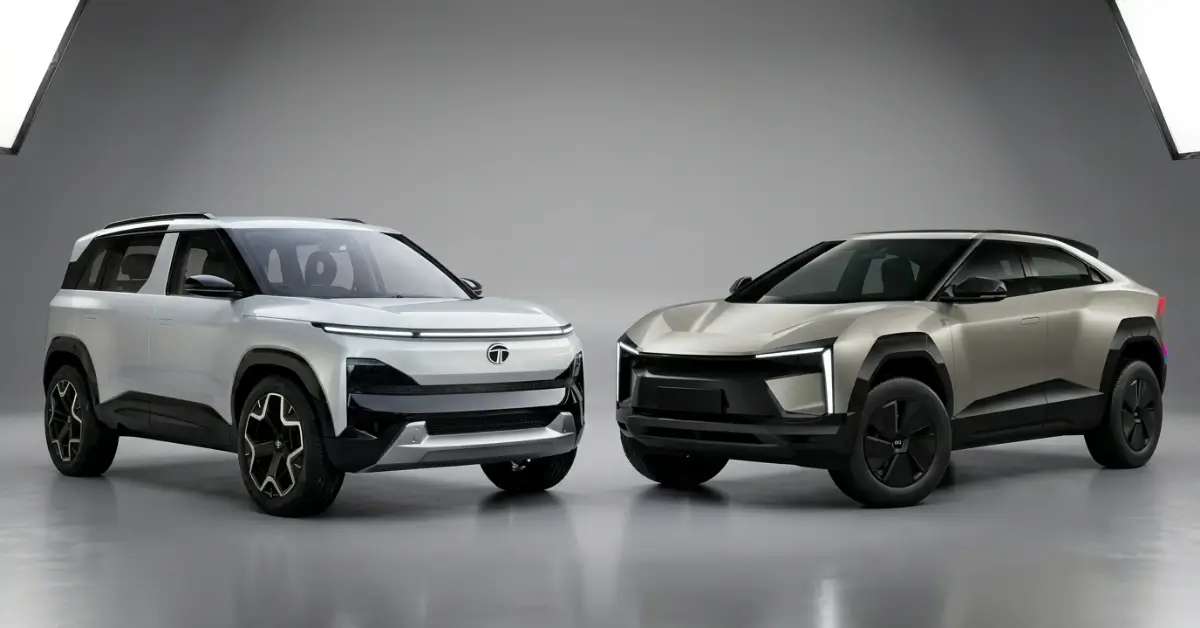
The BE 6 makes the most sense if driving feel and outright style are your primary criteria. It's rear-wheel drive, it's fast, and it looks unlike anything else in India under ₹25 lakh. The 683 km range on the 79 kWh pack also makes it a genuinely credible highway car in a way that most EVs in this price band still aren't.
But if you're a family buyer — if the people in the back row matter as much as the person at the wheel, the Sierra EV's upright design and expected cabin roominess make it worth the wait. Tata is also expected to offer an AWD option on the Sierra EV, something the BE 6 doesn't have yet.
The Tata Sierra EV launch is on May 19, 2026. Prices will tell us which way the value equation tilts. But the Mahindra BE 6 has already set a high bar. And the Sierra EV will need every bit of its iconic name to clear it.
About the Author

Bharat Rana shares practical insights on cars, ownership, and the latest updates to help readers make informed decisions.