
Full expert breakdown
I booked my Tata Curvv EV without a test drive. That was either brave or stupid, and for the first month I genuinely wasn't sure which. Twenty-two thousand kilometres later, I have a clear answer — and a list of things I wish someone had told me before I signed the cheque.
Here, I tell you what living with the Curvv EV is actually like, so you can decide whether the Curvv EV belongs in your life or if you should consider other EVs instead.
Tata Curvv EV Price and What You'll Actually Pay
The Curvv EV price starts at ₹16.99 lakh ex-showroom and goes up to ₹19.49 lakh for the top model. Curvv EV is available in three variants, all with the 55 kWh battery:
|
Variant |
Ex-showroom price |
|
Curvv EV Accomplished X 55 (base) |
₹16.99 lakh |
|
Curvv EV Empowered X 55 |
₹19.19 lakh |
|
Curvv EV Empowered X 55 Dark (top) |
₹19.49 lakh |
Tata Curvv EV on-road price cames roughly ₹1.3–1.6 lakh above ex-showroom once insurance, registration and the usual dealer extras were added. EVs get a registration break in most states, so the gap is smaller than on a petrol car. But budget for it.
Tata Curvv EV Real-world Range
Tata claims 502 km on the 55 kWh pack. You will not see 502 km. Nobody does, on any EV, from any brand.
What I actually get:
|
Driving |
Real-world range |
|
City only, AC on, Eco mode |
~400–420 km |
|
Mixed city + highway |
~370–390 km |
|
Highway at 100–110 km/h, AC on |
~310–340 km |
If that sounds disappointing, reframe it. A 370 km Curvv EV real-world range means I charge roughly once a week for a 50 km daily commute. In eighteen months I have had range anxiety exactly twice, both times on unplanned highway detours.
The number that matters more than range is efficiency: I average around 14–15 kWh per 100 km in the city. That figure is what decides your running cost, and it's the one to ask about on your test drive.
Charging: Time, Cost and Units
This is where most buyers get confused, so here it is plainly.
|
Charger |
Time |
|
DC fast charger (70 kW) |
10–80% in 40 minutes |
|
7.2 kW AC home wall box |
10–100% in 7.9 hours |
|
Regular 15A household socket |
10–100% in about 21 hours |
The port is CCS-II, which is the standard on almost every public fast charger in India, so you won't be hunting for adapters.
What it costs to charge. A full charge takes about 55 units of electricity. A 10–80% top-up takes roughly 38–40 units. At a home rate of ₹8 per unit, a full charge is about ₹440. Against a real-world 380 km, that's roughly ₹1.15 per km.
At a public DC fast charger charging ₹20–24 per unit, the same full charge costs ₹1,100–1,300, or about ₹3 per km. Still cheaper than the ₹6.50–7 per km a comparable petrol SUV costs me, but the gap narrows fast.
The honest catch: the Curvv EV's economics only work if you charge at home or at work. If you're going to depend on public chargers, you're paying EV prices for petrol-level running costs. Sort out your wall box before you sort out your booking.
Small feature I underrated: vehicle-to-load charging. I've run a laptop, a mixer and a set of party lights off the car. During a six-hour power cut last monsoon it ran the fan and router. It's a gimmick until it isn't.
Curvv EV Driving Experience
The Curvv EV makes 165 bhp and 215 Nm, does 0–100 km/h in 8.6 seconds, and tops out at 160 km/h. Those numbers undersell it in the only place that matters — the first 40 km/h. Gaps in traffic that I'd have hesitated at in my old petrol car, I just take.
There are three drive modes. Eco is fine and I leave it there 80% of the time. City is the sensible default. Sport is entertaining and consumes battery, so I save it for overtakes.
The genuinely clever bit is the paddle shifters that control regenerative braking — four levels of it. Level 3 in traffic means I barely touch the brake pedal. There's also a single-pedal drive mode you can customise; it took me a week to adapt and now I miss it in other cars.
Ride quality is firm at low speed. You feel sharp expansion joints and broken patches, partly because of the 18-inch wheels on 215/55 R18 low-rolling-resistance tyres. Above 60 km/h it settles down nicely and it's genuinely stable at 120 km/h — the battery in the floor gives it a planted feel no petrol SUV in this price band matches.
Steering is light. Great for parking, a bit vague on twisty roads. The 5.35 m turning radius and 360-degree camera make tight Indian parking easy.
Ground clearance is 186 mm unladen. I've done rough village roads and unpaved parking lots without scraping, but this is not a car for genuinely broken terrain. Go over big speed breakers slowly and diagonally — with the battery pack down there, you don't want to test it.
Space, Boot and the Coupe Roof Question
Tata Curvv EV dimensions are: 4310 mm long, 1810 mm wide, 1637 mm tall, with a 2560 mm wheelbase.
Curvv EV has a boot space of 500 litres, which is larger than most petrol SUVs at this price. Two large suitcases and soft bags fit with room over. There's also an 11.6-litre frunk under the bonnet, which is where my charging cable lives permanently. Do that; it stops the cable from occupying your boot.
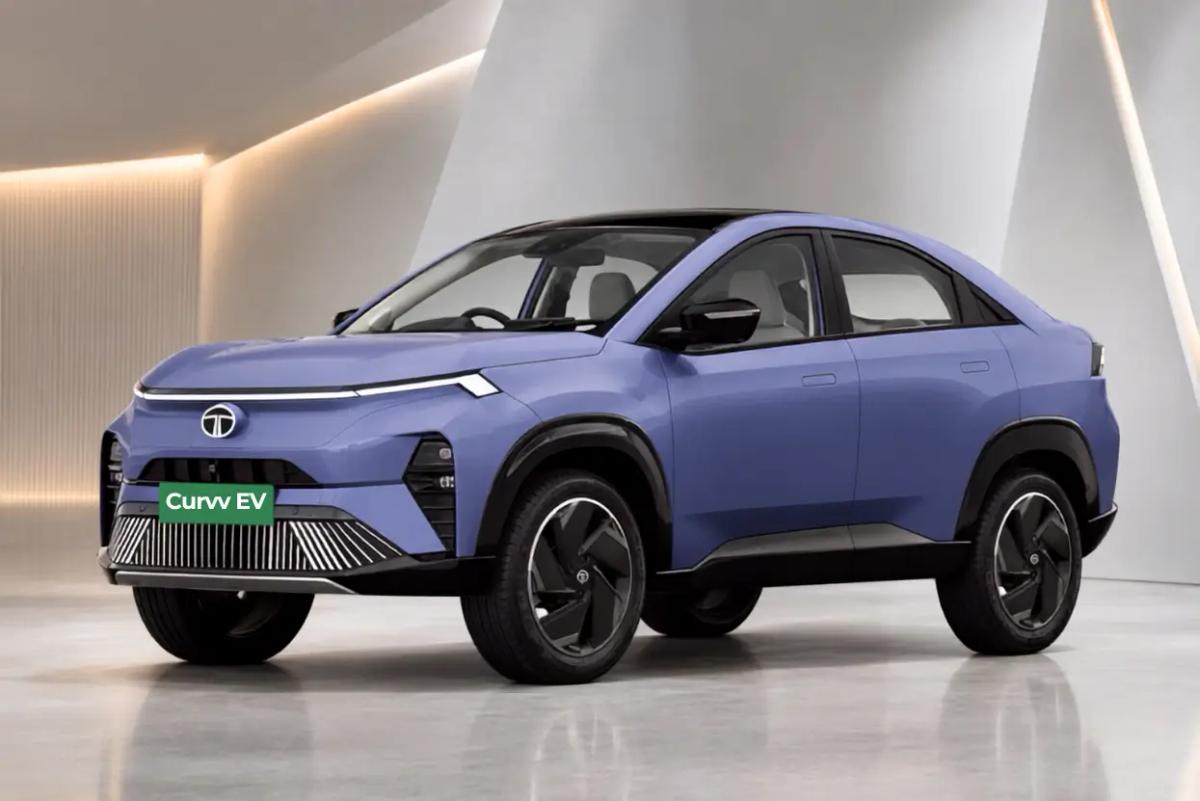
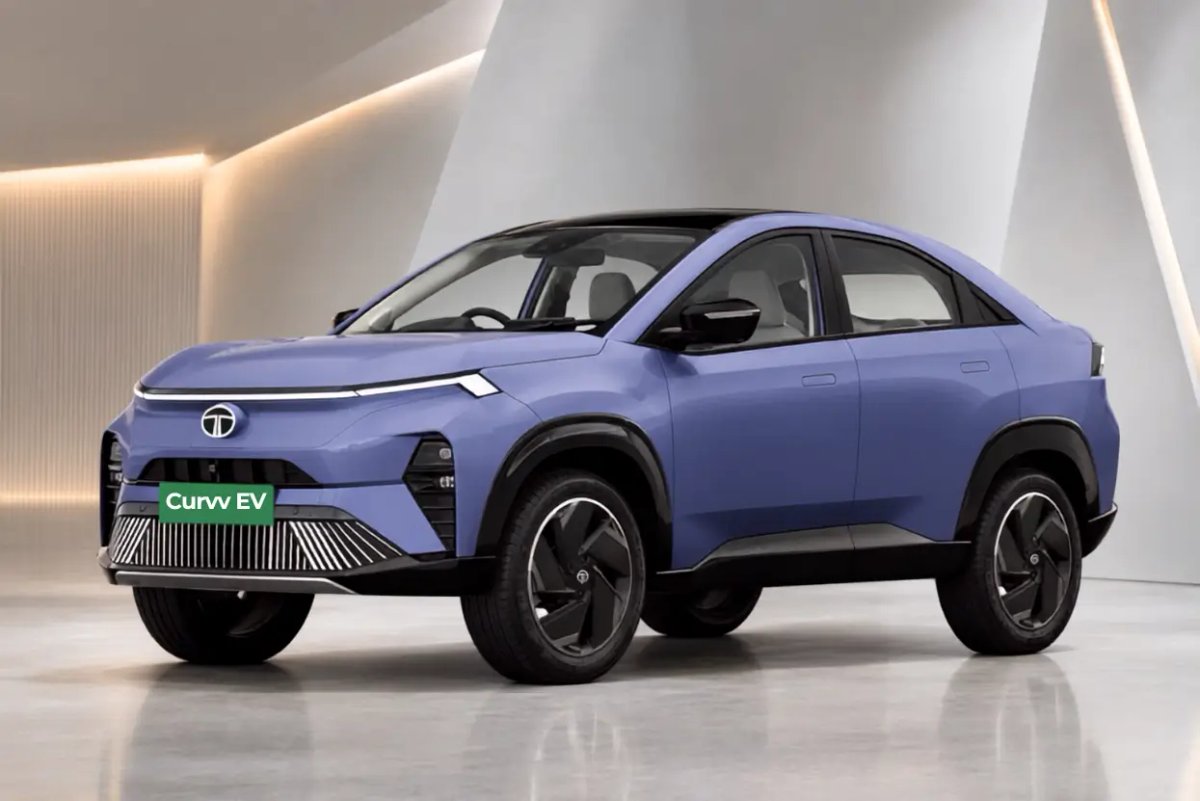
Now the coupe roofline, which is the question everyone asks. Two adults in the back are comfortable. The seats even have a two-stage recline, which is rare at this price, and there are rear AC vents. But if you're over about 5'11", your head is close to the roof, and the third middle passenger is a short-trip-only proposition. The sloping glass also cuts rear visibility, so you will lean on the camera.
If your family is two adults and two kids, this is a non-issue. If you regularly carry three adults in the back, look at a boxier SUV.
Standout Features of Tata Curvv EV
The Empowered X variant gets a 12.3-inch touchscreen, a 10.25-inch digital cluster, ventilated front seats, electrically adjustable front seats, leatherette upholstery, a voice-assisted panoramic sunroof, wireless phone charging, a cooled glovebox, a hands-free tailgate, and a JBL Cinematic sound system with four speakers, four tweeters and a subwoofer.
What I use every single day: ventilated seats (non-negotiable in an Indian summer), wireless CarPlay, the 360-degree camera, and the regen paddles.
What I thought I'd use and don't: the sunroof, which I've opened maybe fifteen times, and the Hinglish voice assistant, which works but is slower than just tapping the screen.
On an empty expressway, adaptive cruise is brilliant and takes real fatigue out of a long drive. In Indian city traffic, the lane assist and collision warnings fire constantly at bikes filtering past, and I switch most of it off. Blind spot monitoring is the one system I keep on permanently — with that thick rear pillar, it earns its keep. Do not buy this car for the ADAS. Enjoy it as a bonus on highways.
Software gets over-the-air updates, so the car has quietly improved since I bought it. That's a real advantage over most rivals.
Safety
Six airbags as standard, electronic stability control, EBD, hill hold and hill descent control, tyre pressure monitoring, a 360-degree camera and a blind spot camera. It carries a 5-star rating for both adult and child occupant protection.
The ADAS reality check. The Curvv EV has proper Level 2 ADAS — adaptive cruise control, automatic emergency braking, forward collision warning, lane keep assist, lane departure warning, blind spot collision avoidance, rear cross-traffic alert, traffic sign recognition and driver attention warning.
Colours and the Dark edition
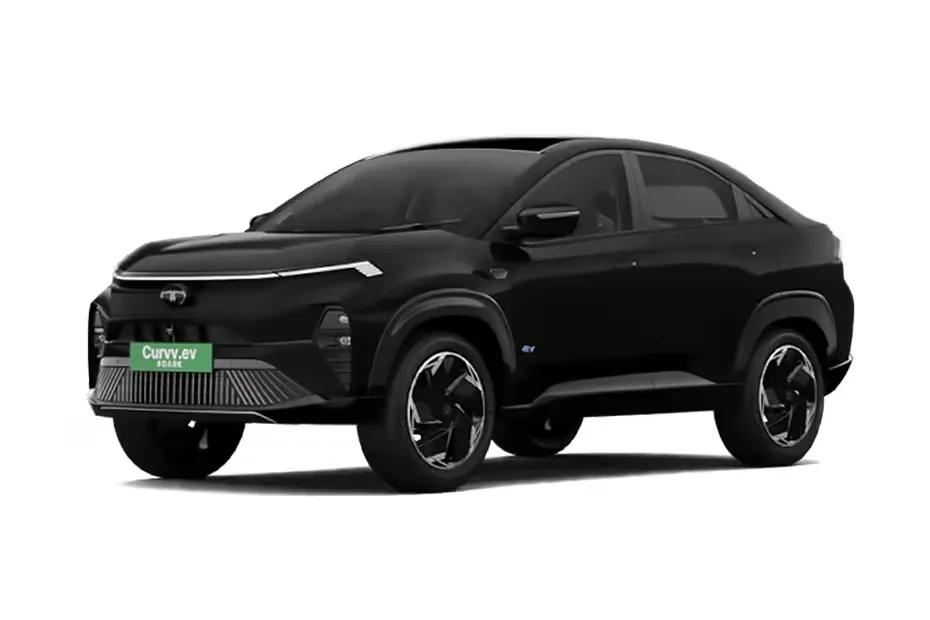
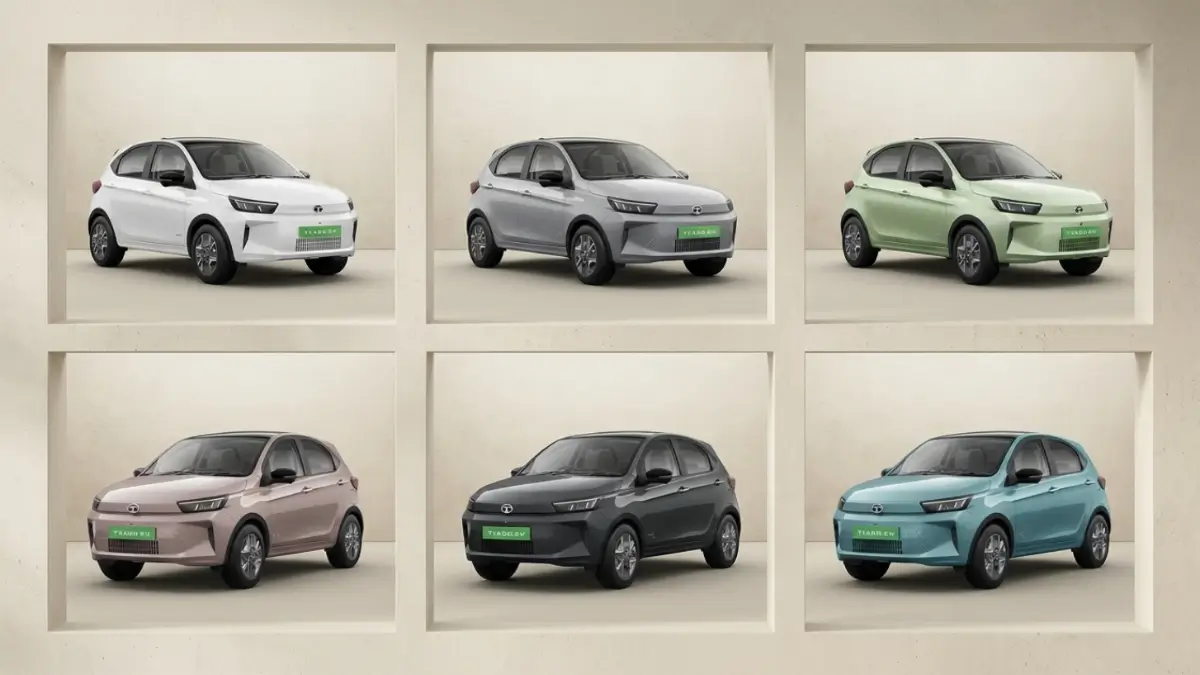
Tata Curvv EV is available in six options: Carbon Black, Empowered Oxide dual tone, Nitro Crimson dual tone, Pristine White dual tone, Pure Grey dual tone, and Virtual Sunrise with a black roof.
Virtual Sunrise gets the most attention in parking lots. Carbon Black and the Dark edition look fantastic for about four days after a wash and show every speck of dust after that. I went with a dual tone and haven't regretted it. If you park outdoors and hate washing cars, don't buy black.
Running Costs and Service Reliability
Electricity is the easy part — about ₹1.15 per km at home. Servicing is where EVs surprise people pleasantly: no oil, no filters, no spark plugs, and my brake pads have barely worn because regenerative braking does most of the slowing.
The battery carries a lifetime manufacturer warranty, which is the single most important perk, because the battery is the most expensive part in EVs
On reliability, I'll be straight with you. Mechanically the car has been solid. The software has not always been. I've had a couple of infotainment freezes fixed by a restart, and one connected-features outage that sorted itself out. Tata's service network is huge, which is a genuine advantage over newer EV brands — but service quality varies enormously by dealer.
Curvv EV vs the Rivals
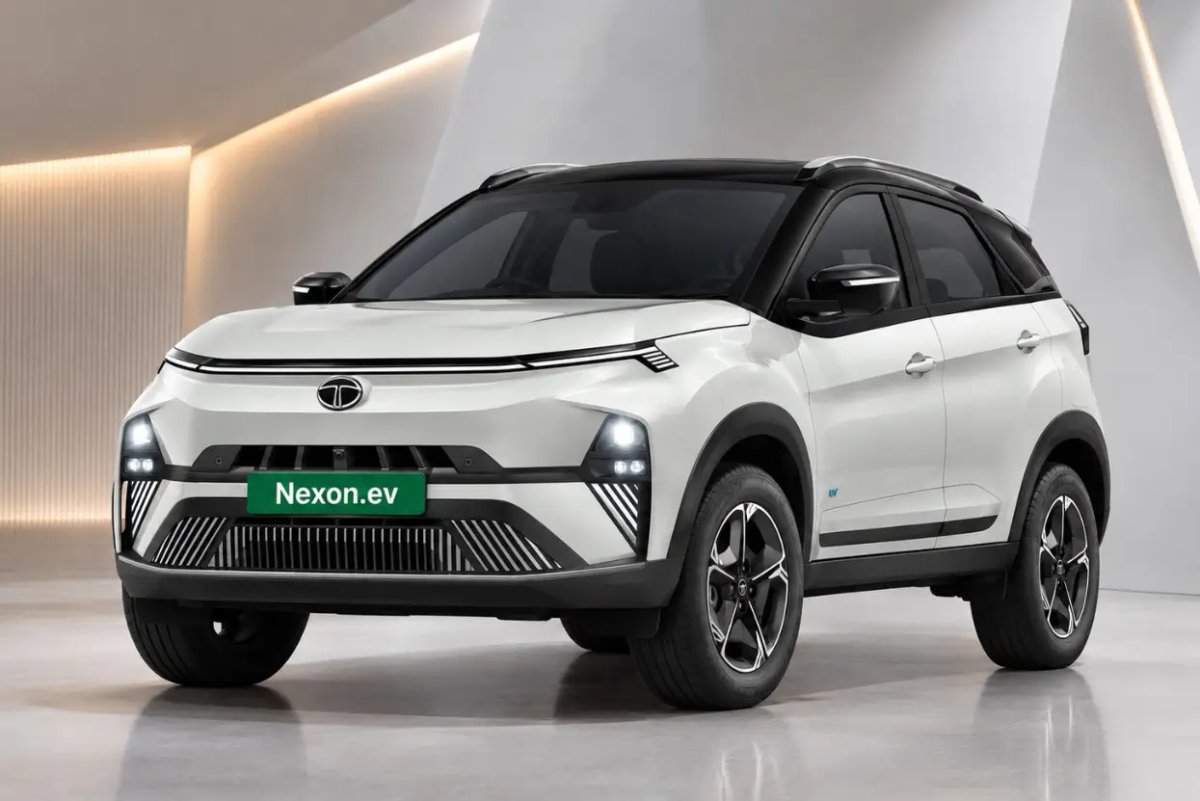
Nexon EV (from ₹12.49 lakh) — around ₹4.5 lakh cheaper and Tata's own car. Smaller, less range, less equipment. If budget is the deciding factor, the Nexon EV is the sensible buy and I won't argue.
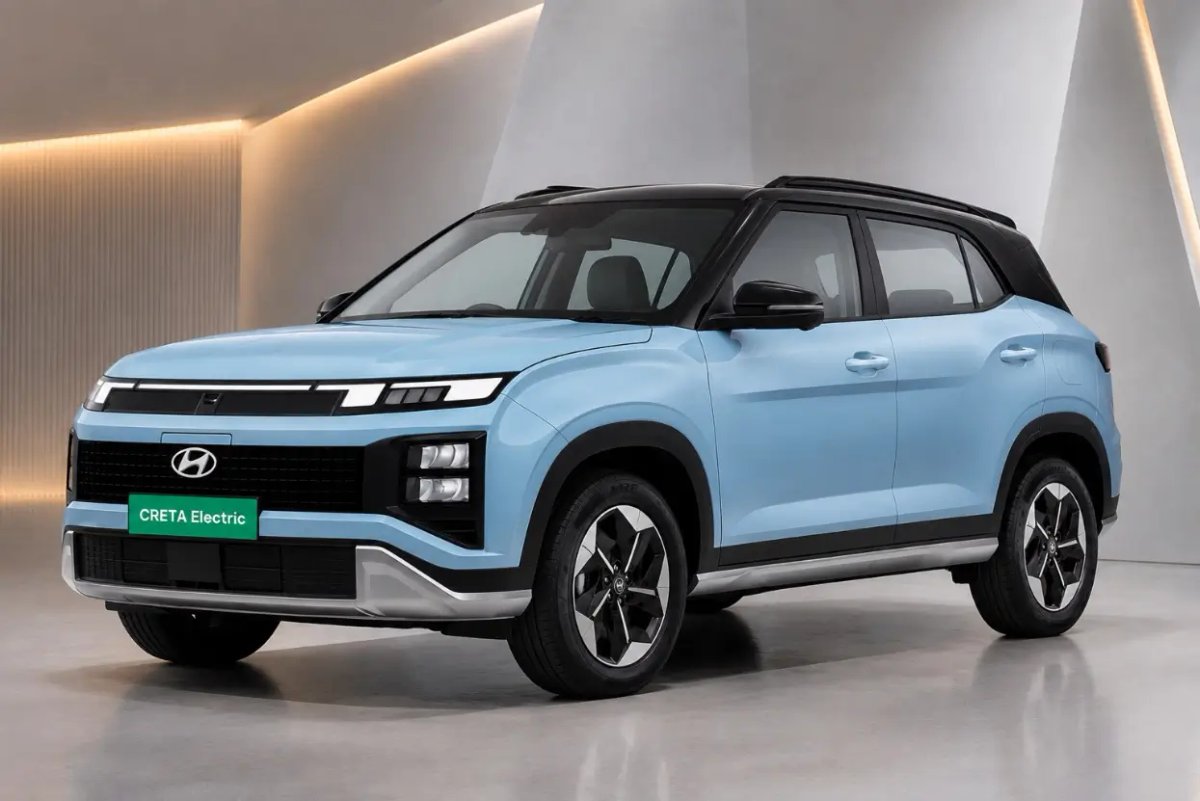
Hyundai Creta Electric (from ₹18.03 lakh) — more conventional SUV shape, better rear headroom, Hyundai's service reputation. Costs about ₹1 lakh more and feels less special.
Mahindra BE 6 (from ₹18.90 lakh) — more power and more drama. Newer platform, thinner service network.
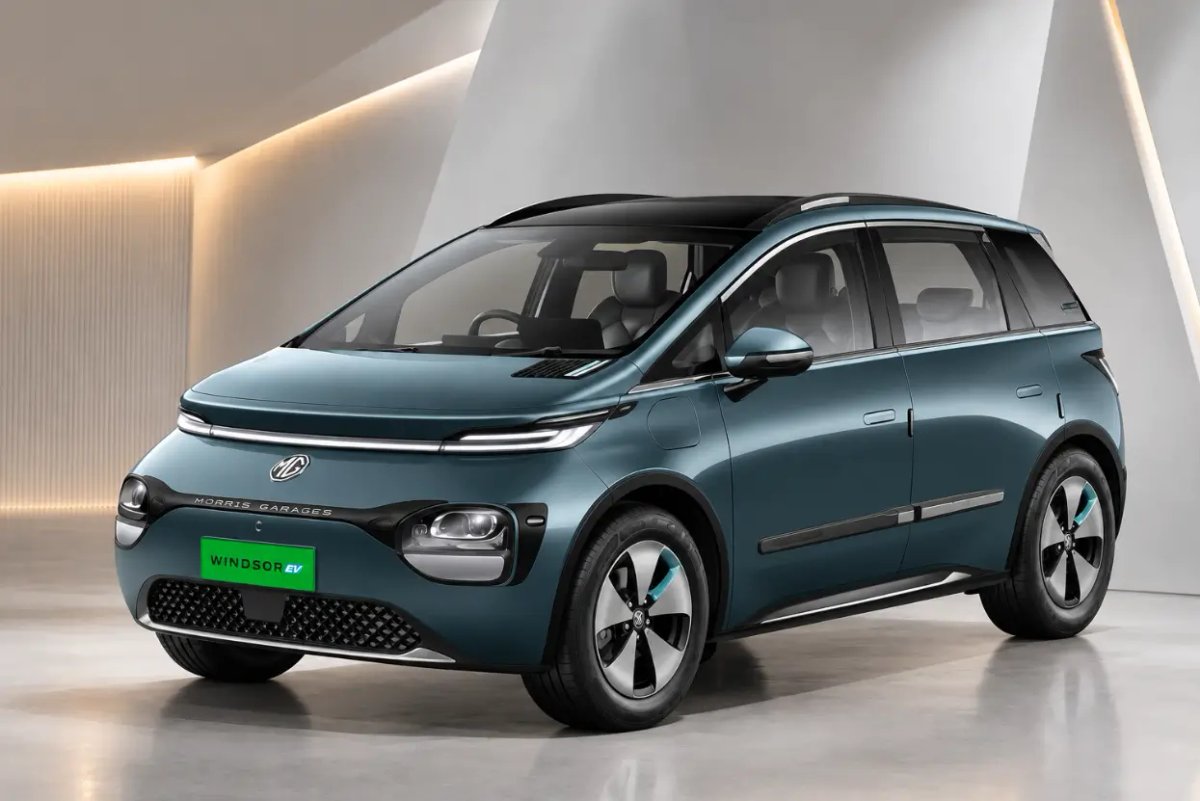
MG Windsor EV (from ₹14.00 lakh) — much cheaper, far more rear-seat space, nothing like as exciting to drive or look at.
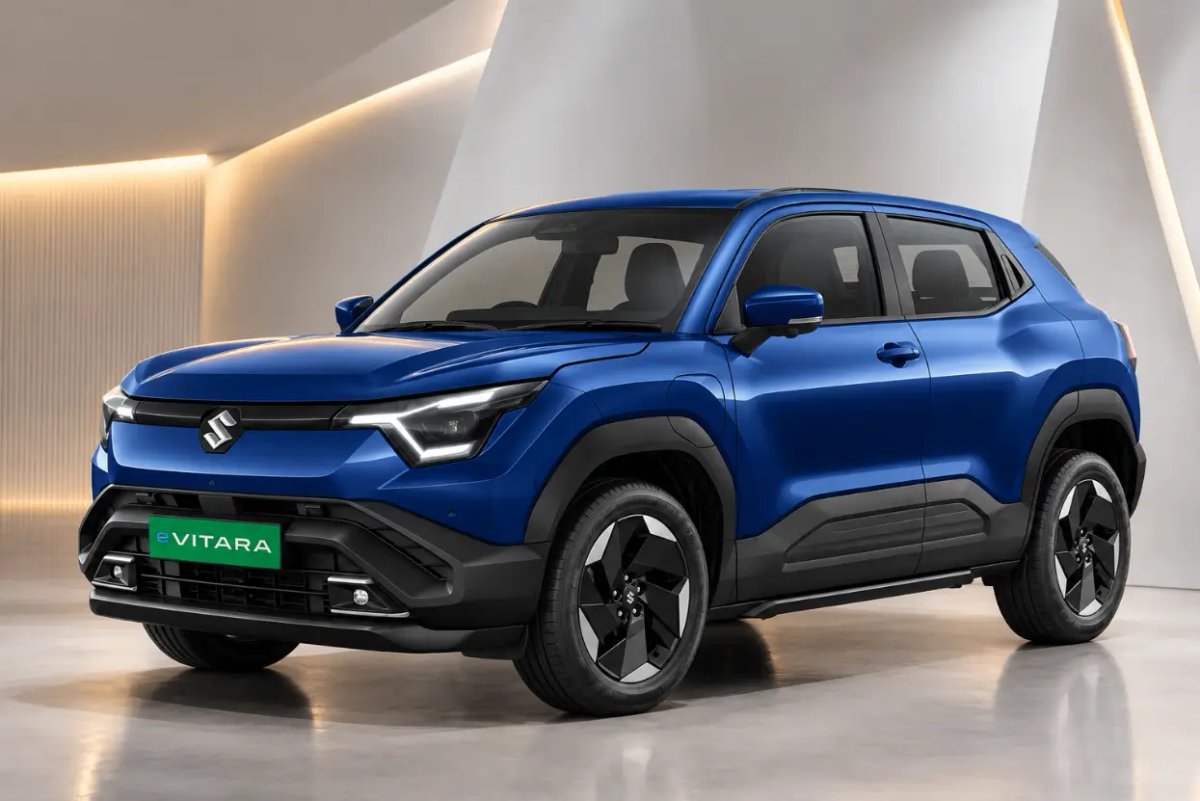
Maruti e Vitara (from ₹15.99 lakh) — cheaper, and Maruti's service network is unmatched.
The Curvv EV's case is that it's the best-looking of this group by a distance, has one of the longest real-world ranges, and gets a genuinely premium cabin. That's what I paid for.
Which Curvv EV Variant should you buy?
The Accomplished X 55 at ₹16.99 lakh gets you the same 55 kWh battery, the same 502 km claimed range, the same motor and the same core safety kit. If you want maximum range per rupee, stop here.
The Empowered X 55 at ₹19.19 lakh is the one I'd buy again. The ₹2.2 lakh jump buys the features you touch every day — ventilated seats, the bigger screen, the 360-degree camera, the sunroof, the better audio.
The Empowered X 55 Dark at ₹19.49 lakh is ₹30,000 for a colour and trim theme. Buy it if you love the look. It adds nothing functional.
One more option worth knowing: earlier Curvv EVs came with a smaller 45 kWh battery pack alongside the 55, and those turn up on the used market. A second-hand Curvv EV can be good value, but insist on a battery health report before you pay.
Should You Buy the Tata Curvv EV?
If you can charge at home, drive mostly in and around a city with occasional highway runs, have a family of four, and want a car that doesn't look like everything else in the parking lot — yes. Eighteen months in, I'd buy it again.
If you have no home charging, or you need to seat three adults in the back regularly, or you want absolute certainty from your service centre — think harder, and test drive the Creta Electric and the Windsor EV before you decide.
The Curvv EV isn't a perfect car. It is, for the right buyer, a genuinely likeable one — and at ₹16.99 lakh to ₹19.49 lakh, it's one of the few EVs in India that feels like it was designed to be wanted rather than merely bought.