


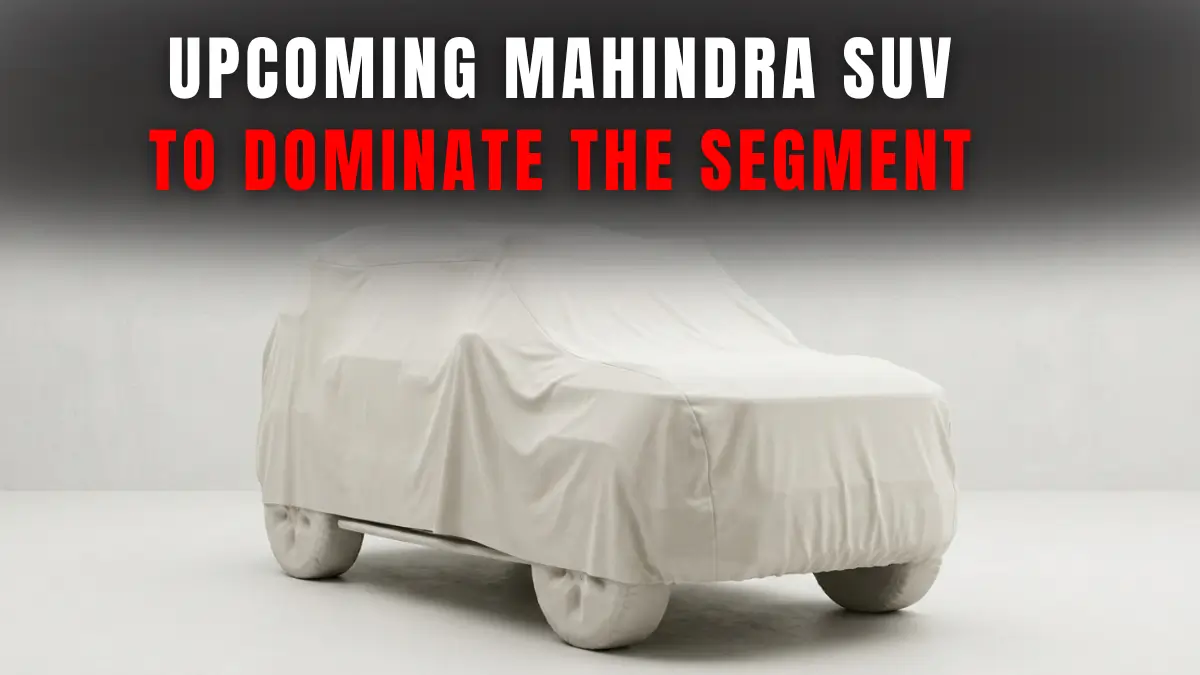

Full expert breakdown
When a facelifted version of a car arrives, most of the time it's a new grille, a few changes here and there and plenty of press crap.
But the XUV 7XO is not that. Mahindra has kept the engines and the bones, but rebuilt everything — three 12.3-inch screens, a properly reworked suspension, and a Level 2 driver-assist suite.
But I'm not suggesting you buy it just yet. There are three things about this SUV that will annoy you every single day, and I'd rather you know them before you sign the booking form than after.
Mahindra XUV 7XO Price and Variants in 2026
Mahindra XUV 7XO prices start at ₹13.99 lakh for the AX petrol manual and reach ₹25.79 lakh for the AX7L diesel AWD automatic. The XUV 7XO on-road price comes around ₹16.7 lakh for the base variant and around ₹31 lakh for the top model.
The Mahindra 7XO range includes AX, AX3, AX5, AX7, AX7T and AX7L across 27 combinations. Mahindra has dropped the MX series entirely — every XUV 7XO now sits on the AdrenoX platform, which is why even the base car gets a proper connected-car system.
Which XUV 7XO Variant Should You Actually Buy?
AX is the base variant of XUV 7XO, but the waiting period of 53 weeks makes me skip it since it is not the most interesting one either
The AX5, priced at ₹17.79 lakh, is where the range starts making sense, and the AX7 can be your value pick — it's the point where the second and third screens, bigger alloys and better audio arrive without AX7L money. Go AX7L only if you want AWD, and remember AWD is diesel-automatic only.
Mahindra XUV 7XO Engine: Petrol or Diesel?
Two engines, both carried over from the XUV700, both worth having.
The 2.0-litre mStallion turbo-petrol makes 200 bhp and 380 Nm. It's the smoother, quieter, more eager one. Above 2,000 rpm it genuinely shoves, and on an empty flyover it feels quicker than a two-tonne family SUV has any right to feel.
The 2.2-litre mHawk diesel makes 182 bhp with 420 Nm on the manual and 450 Nm on the automatic. Mahindra has quietly killed the old 153 hp diesel tune, so every diesel XUV 7XO is now the powerful one. This is the engine I'd buy. The torque arrives low, you rarely need to downshift, and with seven people and luggage aboard it never feels strained.
Both get a 6-speed manual or a 6-speed torque-converter automatic. No dual-clutch here, which is good news — a torque converter is the right choice for Indian traffic and it'll outlast a DCT.
My honest take: if you drive under 1,000 km a month in the city, take the petrol. Anything more, or any regular highway running, take the diesel automatic. The fuel-cost gap closes fast at this engine size.
Mahindra XUV 7XO Mileage: Claimed vs Real World
ARAI rates the Mahindra XUV 7XO mileage at 15 kmpl for the petrol and 17 kmpl for the diesel.
In independent real-world testing, the diesel automatic returned about 9.6 kmpl in Gurgaon’s traffic and 18.9 kmpl on the highway. The diesel manual did better at roughly 11.1 kmpl city and 20.4 kmpl highway.
That highway mileage is admirable. 20 kmpl from a 182 bhp seven-seater is genuinely efficient, and it's why the diesel manual is the smart long-distance buy.
But the city mileage is the reality check — single digits in bumper-to-bumper traffic with the AC on. The 60-litre tank still gives you around 900–1,000 km of highway range.
Mahindra XUV 7XO Design and Colours
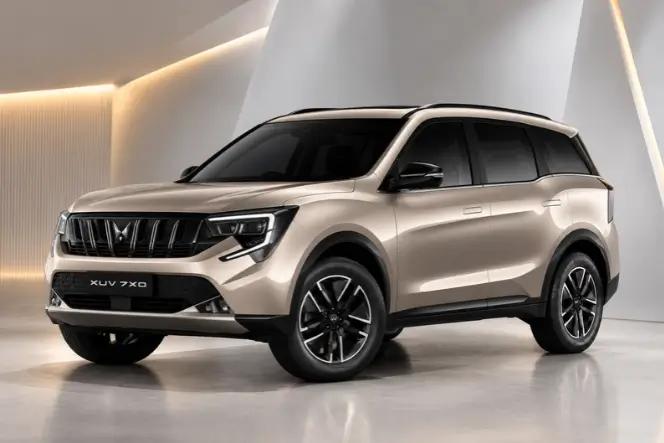
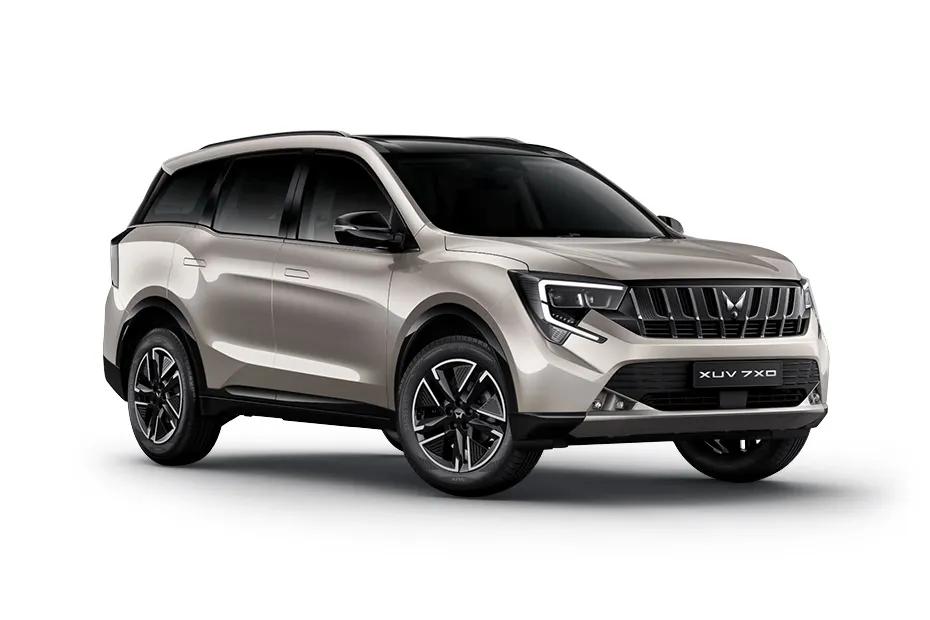
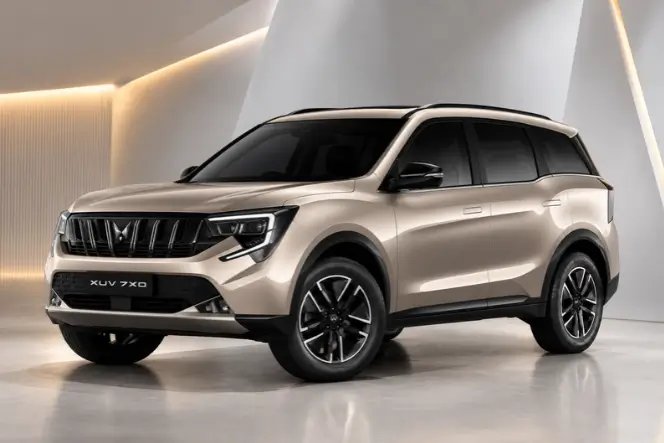
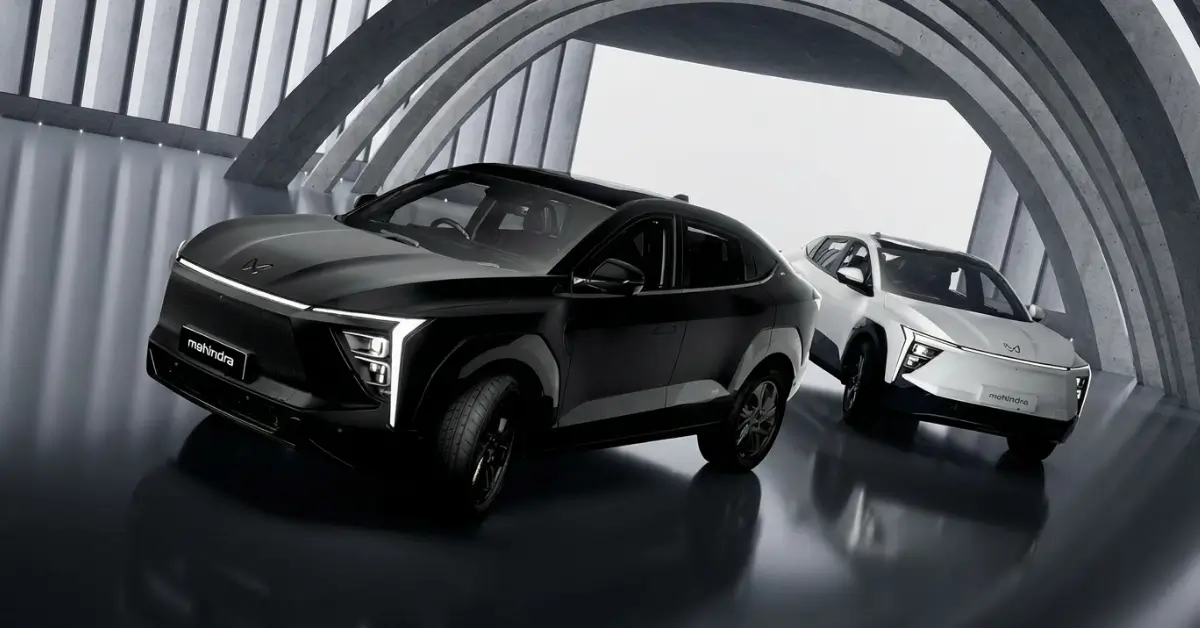
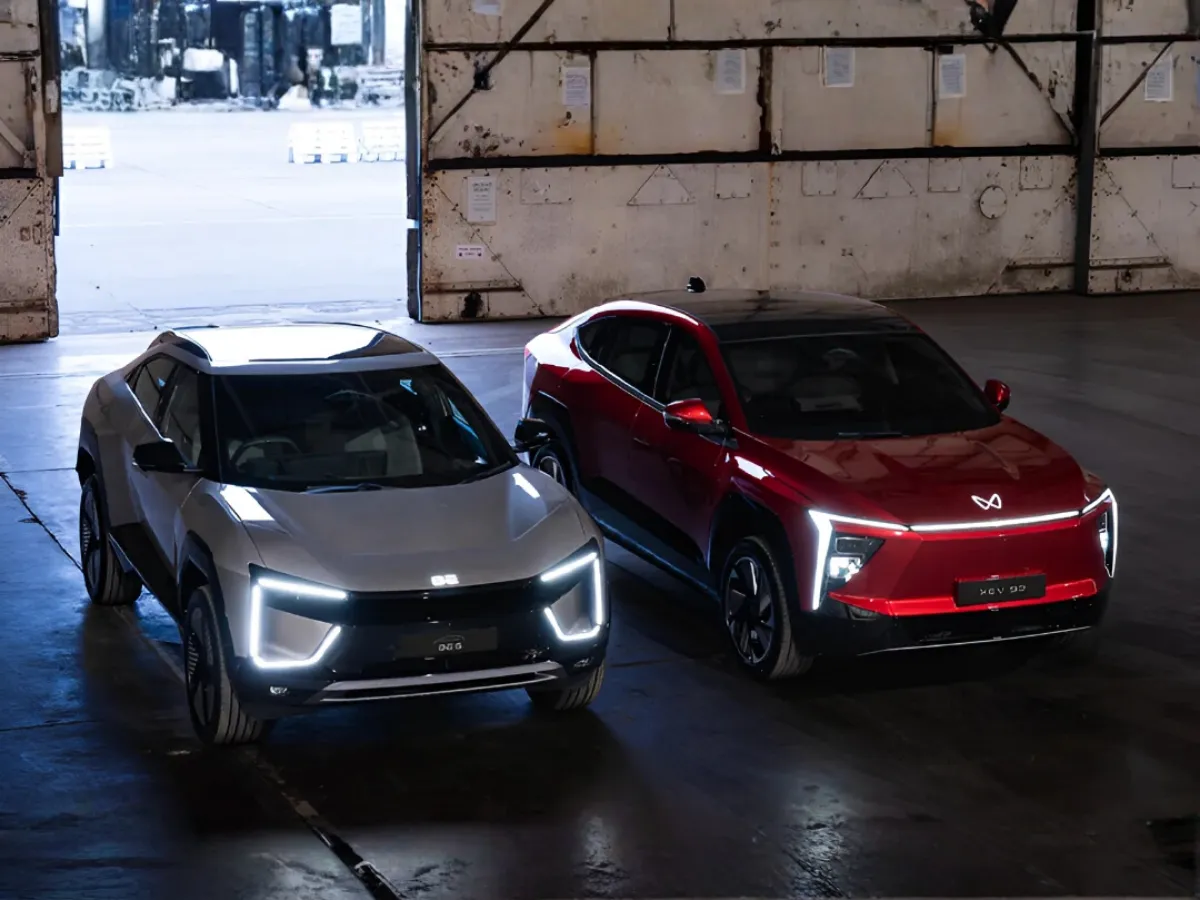
The new Mahindra XUV 7XO came with a wide full-width grille along with talon accents, slim C-shaped LED DRLs, sequential indicators and Bi-LED projectors. These changes make people turn their heads to the XUV 7XO.
At the rear, the smoked honeycomb LED tail-lamps are lifted from the XEV 9S and joined by a piano-black panel. The profile is largely unchanged from the XUV700 — same flush door handles but you now get 18-inch alloys, or 19-inch on the top trims.
There are 11 XUV 7XO colours. Desert Myst Satin is the launch shade and the one that photographs best. Ruby Velvet looks spectacular but is a nightmare to keep clean. Everest White and Galaxy Grey are both available with a contrasting Stealth Black roof, and Midnight Black, Nebula Blue and Stealth Black round it out.
Mahindra XUV 7XO Interior and Features
This is the biggest change and the reason to upgrade from an XUV700.
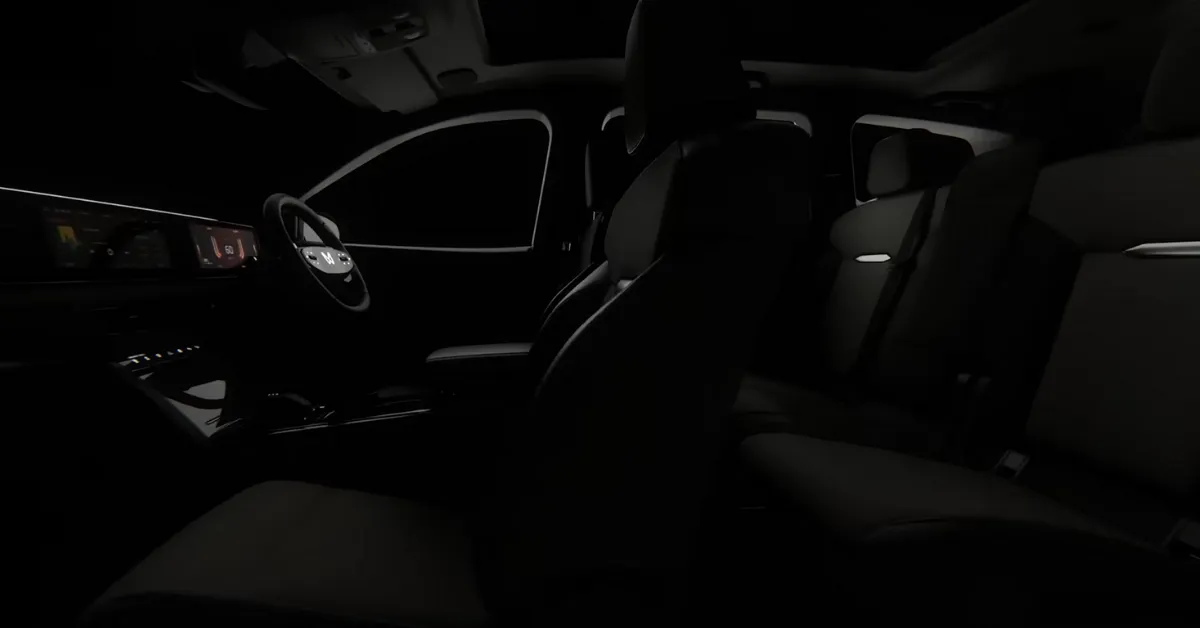
The dashboard now runs three 12.3-inch screens — driver's cluster, central infotainment and a dedicated passenger display in an off-white, chestnut brown and black scheme that genuinely looks premium. The system runs on Snapdragon hardware with wireless Android Auto and Apple CarPlay, built-in Alexa and ChatGPT, and 93 AdrenoX connected features.
The 16-speaker Harman Kardon system with Dolby Atmos 5.1.2 is the best audio setup I've heard under a ₹30 lakh car.
Mahindra has also thought hard about the back seat: Boss mode, BYOD device holders, a rear wireless charger and, on six-seat versions, ventilated second-row captain seats. Up front you get six-way powered seats with memory, dual-zone climate, a panoramic Infinity glass roof with integrated ambient lighting, and auto park assist.
Now the annoyances I promised. The air-con controls have moved into the touchscreen, and adjusting temperature while driving means taking your eyes off the road — this is a genuine safety regression from physical knobs. The central screen shows occasional lag. And fit-and-finish isn't consistent; some panels feel ₹25-lakh, others feel ₹15-lakh.
Mahindra XUV 7XO Seating and Boot Space
You can have six or seven seats. The six-seater with captain chairs is the one to buy if adults regularly sit in row two.
Row three is the compromise. Headroom and shoulder room are tight, and I'd call it a children-and-short-trips bench rather than genuine adult seating. If you need three rows of real adult space, you need an Innova Hycross, not this.
Boot space with all three rows up is 240 litres — enough for a weekly grocery run or two soft bags, not a family holiday. Fold row three and it opens up properly. There's also no powered tailgate at any price, which at ₹25 lakh is hard to defend, and no front parking sensors, which you'll miss in tight basements.
Mahindra XUV 7XO Safety and ADAS
Seven airbags as standard, ABS with EBD, electronic stability control, hill hold, hill descent control, TPMS and ISOFIX mounts. The XUV 7XO scored a full 5 stars at Bharat NCAP.
The Level 2 ADAS suite, Mahindra calls it Sense+, includes adaptive cruise, lane-keep assist, forward-collision warning, autonomous emergency braking and high-beam assist. On a divided highway it works well and takes real fatigue out of a long drive. On a two-lane state highway with faded markings it gets confused, like every system at this price. Use it as an assistant, not a chauffeur.
The 540-degree camera, 360-degree plus an under-body view, deserves a special mention. On broken roads and unmarked speed breakers it's the feature I'd miss most.
Ride and Handling: What DaVinci Damping Actually Means
Mahindra's marketing term for the new suspension is DaVinci damping. In plain language: the dampers change how firm they are depending on the frequency of the bump. Small, sharp inputs like patchy tarmac get softened. Big, slow inputs like body roll through a corner get resisted.
In practice the XUV 7XO rides noticeably flatter than the XUV700 did over broken surfaces, and the 200 mm ground clearance means you stop flinching at speed breakers. It's a MacPherson strut front and multi-link rear setup.
Mahindra XUV 7XO vs XUV700: Should You Upgrade?
If you own a recent XUV700, the mechanical case for switching is zero. Same engines, same gearboxes, same platform, same dimensions.
The case for switching is the cabin. Three screens instead of two, the Harman Kardon system, the 540-degree camera, the reworked ADAS and the new suspension tune. If you spend two hours a day inside the car, that's a meaningful upgrade. If you mostly care about how it drives, keep your XUV700 and buy something else with the money.
For a new buyer choosing between a discounted leftover XUV700 and a fresh XUV 7XO, take the 7XO. The resale gap will be brutal.
Mahindra XUV 7XO vs Rivals
|
XUV 7XO |
Tata Safari |
Scorpio N |
Hyundai Alcazar |
|
|
Ex-showroom from |
₹13.99 lakh |
₹13.40 lakh |
₹13.49 lakh |
₹14.51 lakh |
|
Engines |
2.0 petrol / 2.2 diesel |
1.5 petrol / 2.0 diesel |
2.0 petrol / 2.2 diesel |
1.5 petrol / 1.5 diesel |
|
Max power |
200 bhp |
168 bhp |
200 bhp |
158 bhp |
|
Drivetrain |
FWD / AWD diesel AT |
FWD |
RWD / 4WD |
FWD |
|
Crash rating |
5-star Bharat NCAP |
5-star Bharat NCAP |
5-star Global NCAP |
Not tested |
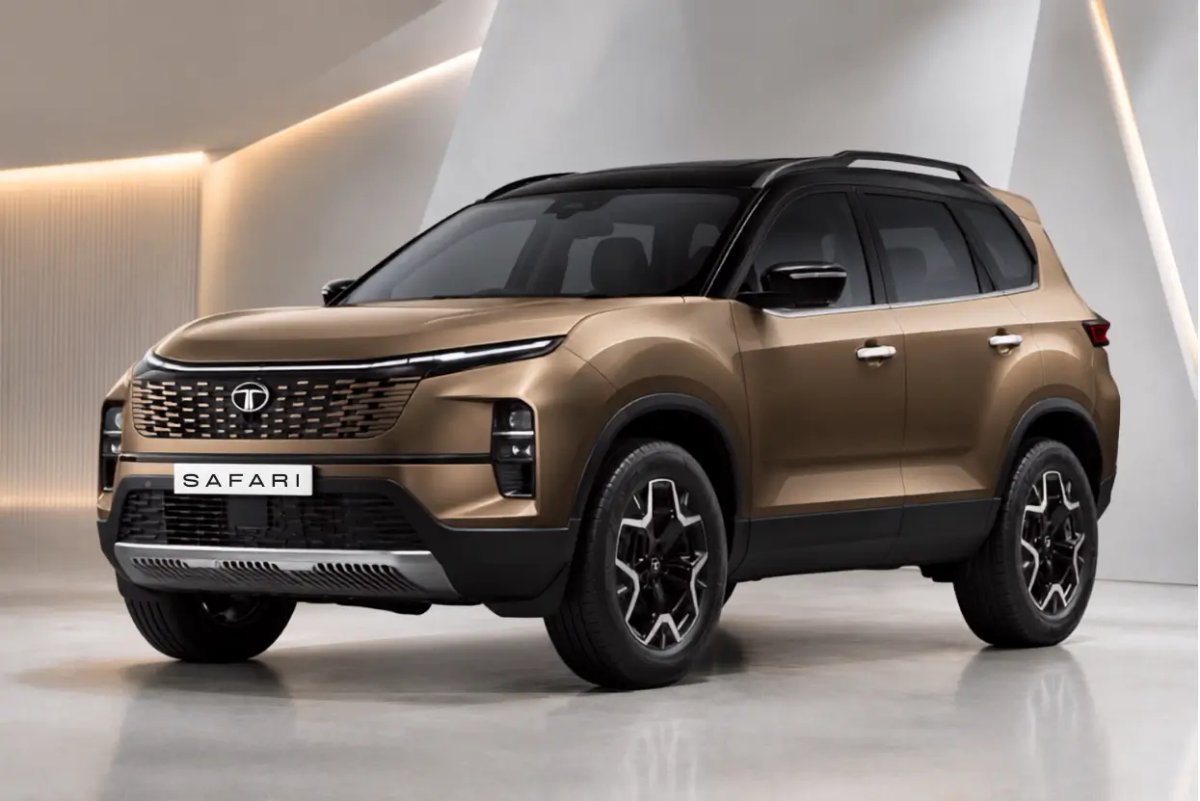
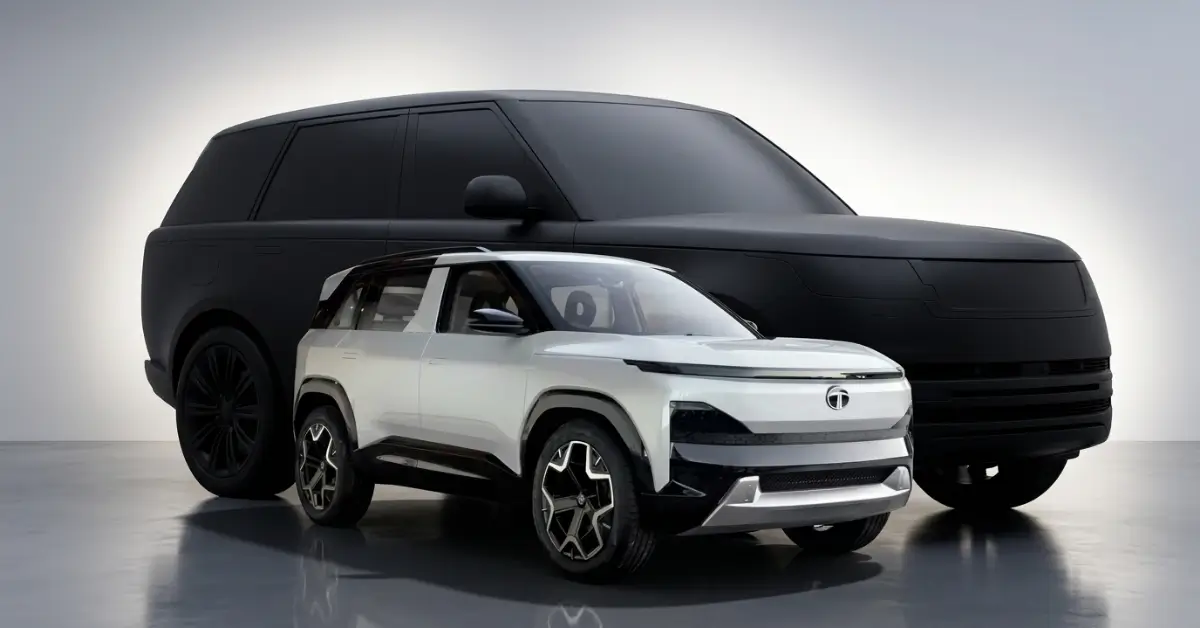
XUV 7XO vs Tata Safari
Tata Safari has the better third row and the plusher low-speed ride. The XUV 7XO has the stronger engines, the better tech and the more reliable infotainment. If your third row carries adults weekly, take the Safari. Otherwise the Mahindra is the more complete car.
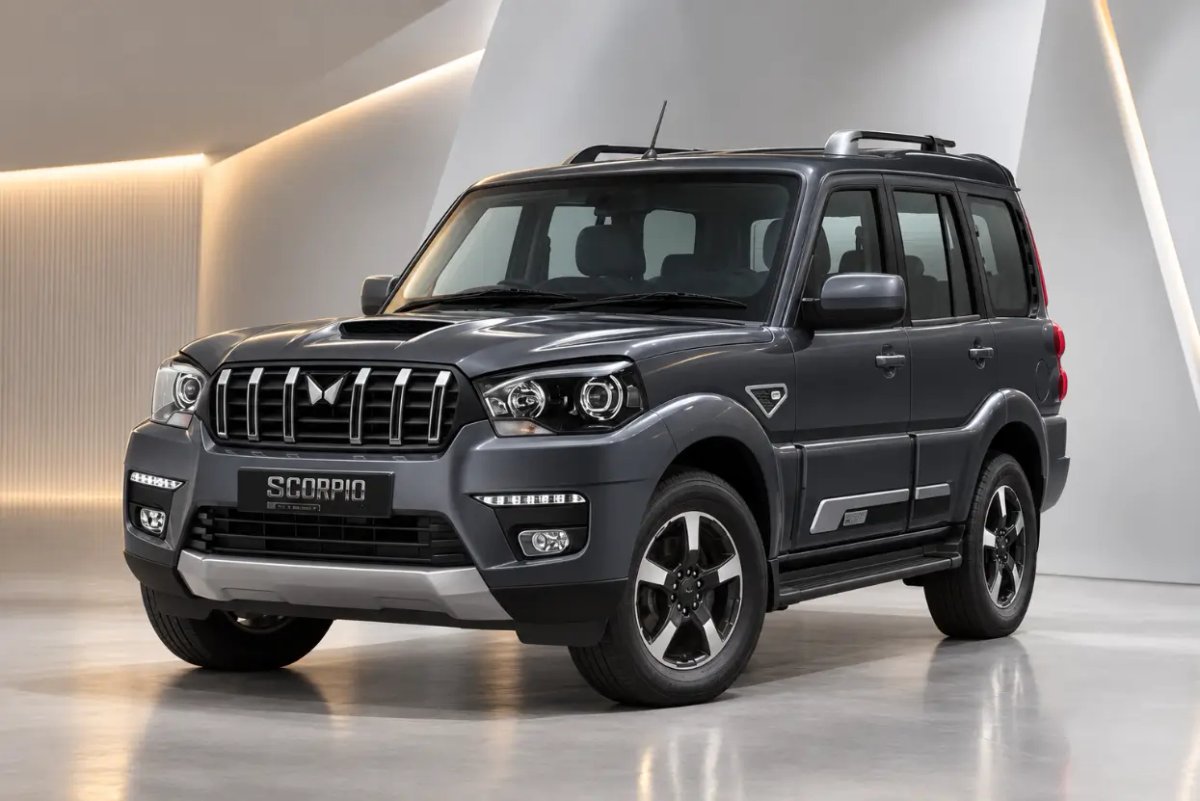
XUV 7XO vs Mahindra Scorpio N
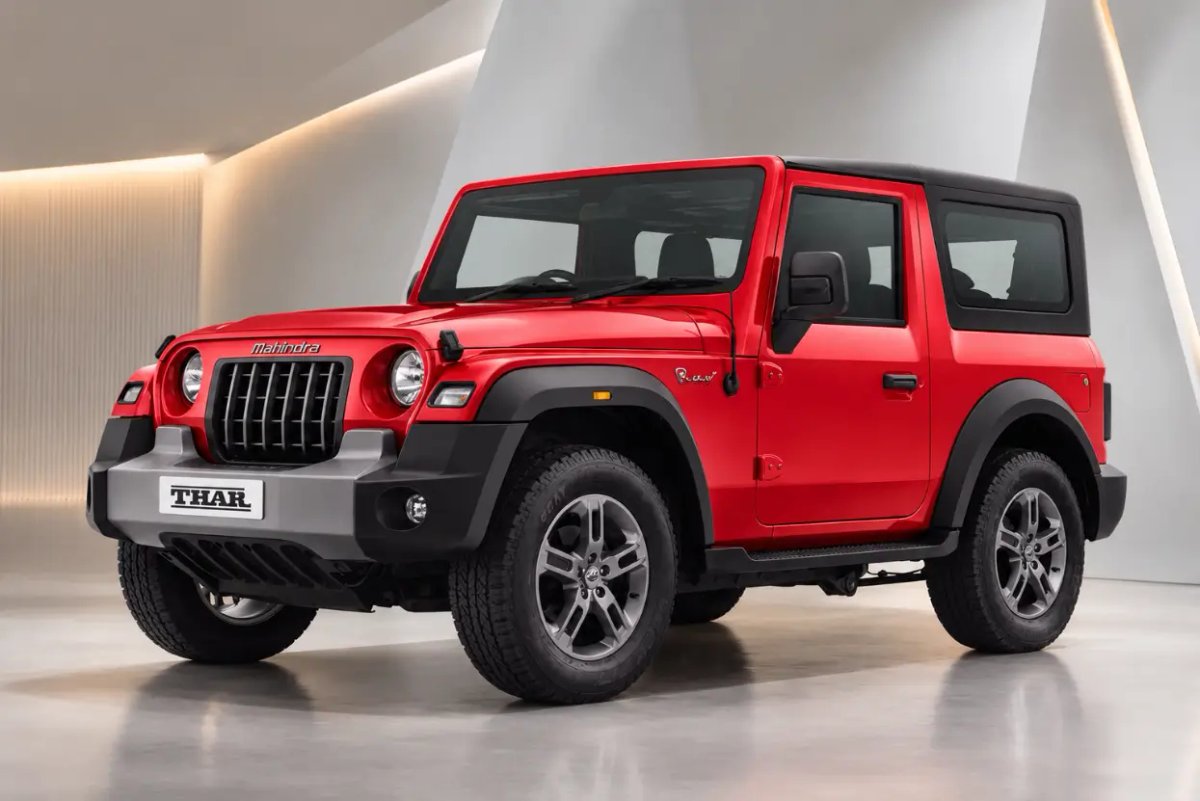
Same showroom, very different characters. The Scorpio N is body-on-frame, rear-wheel drive and feels like an SUV in the traditional sense — better off-road, more dramatic, less refined. The XUV 7XO is monocoque and drives like a large car. City and highway buyers should take the 7XO; if you actually leave tarmac, take the Scorpio N.
XUV 7XO vs Hyundai Alcazar
Hyundai Alcazar is smaller, lighter, cheaper to run and easier to park. The XUV 7XO out-powers it by 40 bhp, out-features it comfortably and has the crash rating the Alcazar lacks. Unless your priority is running cost, this one isn't close.
Final Takeaway
Buy it if you want the most equipment per rupee under ₹30 lakh, if you do serious highway distance and want the diesel's 20 kmpl cruising economy, and if you value a 5-star Bharat NCAP rating with seven airbags across the range.
Skip it if your third row needs to carry adults regularly, if touchscreen climate controls will genuinely irritate you, or if you can't wait six months to a year for delivery.