




Full expert breakdown
There is something irresistible about the Volkswagen Virtus that keeps buyers away from SUVs. One thing that I realised after driving it is, Virtus breaks the myth of “bigger is better”. With 179 mm of ground clearance that clears broken roads and tall speed breakers, the Virtus offers a turbo-petrol punch of up to 150 PS, a dual-clutch gearbox that shifts before you finish the thought, and steering that goes exactly where you point it.
But this is not the reason I’d tell you to buy the Volkswagen Virtus. Because there are still some big trade offs you will need to live with. Which I cover below along with Volkswagen Virtus price, mileage, engine, design and performance.
Volkswagen Virtus Price and Variants in 2026
Ex-showroom, the Volkswagen Virtus base model price starts at ₹10.7 lakh for the Virtus Comfortline and tops out near ₹19.4 lakh for the Virtus GT Plus. Volkswagen Virtus on road price goes to roughly ₹12.1 lakh for the base variant and goes close to ₹22.7 lakh for the top.
The 1.0-litre engine option is available in Comfortline, Highline, Highline Plus and Topline variants. The 1.5-litre engine option is for GT Line and GT Plus variants, and Volkswagen Virtus Sports and Chrome variants keep getting newer editions on top.
I’d advise you to skip the Comfortline unless you are buying for a fleet. It misses automatic climate control, which stings at this price. The Highline Plus is the value pick, because it adds the sunroof and wireless phone connectivity most buyers want without Topline money.
And one thing you won’t find anywhere is — the 1.5 no longer comes with a manual gearbox. Want the big engine, you take the DSG. Which brings up the question every Virtus buyer eventually asks.
Volkswagen Virtus Engines: 1.0 TSI or 1.5 TSI DSG?
Volkswagen Virtus both engines are turbo-petrols:
The 1.0 TSI makes 115 PS and 178 Nm with a 6-speed manual or a conventional 6-speed automatic.
The 1.5 TSI makes 150 PS and 250 Nm through a 7-speed DSG, which is Volkswagen's badge for that quick dual-clutch gearbox. The 1.5 also shuts off two cylinders while cruising to save fuel, and you never feel it happen.
For city commutes, the 1.0 is enough. It pulls cleanly from low speeds and the regular automatic handles bumper-to-bumper traffic without complaint. The 1.5 is the one you buy with your heart, and it rewards you every time the road opens up.
Now the DSG question. A decade ago, this gearbox family earned a poor reputation in India. But current owners tell a different story. When I asked a few Virtus owners, they said the present unit runs cooler and holds up far better than the old ones, with long-termers crossing 15,000 km without a fault.
Here is the first trade-off, though: dual-clutch gearboxes still dislike hours of crawling traffic. If your commute is a daily Silk Board or Gurugram toll-jam special, take the 1.0 automatic instead, and ask your dealer for the extended warranty quote either way.
Volkswagen Virtus Mileage: Claimed vs Real World
On paper, Volkswagen Virtus mileage is at 19.62 kmpl for the 1.5 DSG under ARAI testing. Treat that as a lab number. I got around 14 to 17 kmpl from the 1.0 TSI in mixed driving conditions, while the 1.5 returns 11 to 13 kmpl in city traffic and 17 to 18 kmpl on a highway run.
Turbo engines are sensitive to your right foot, and the Virtus tempts it constantly. There is no diesel, no CNG and no hybrid here, which makes fuel bills the second trade-off you live with. So if you clock over 2,500 km a month, you will seriously need to mind your petrol bills.
Volkswagen Virtus Design and Colour Options
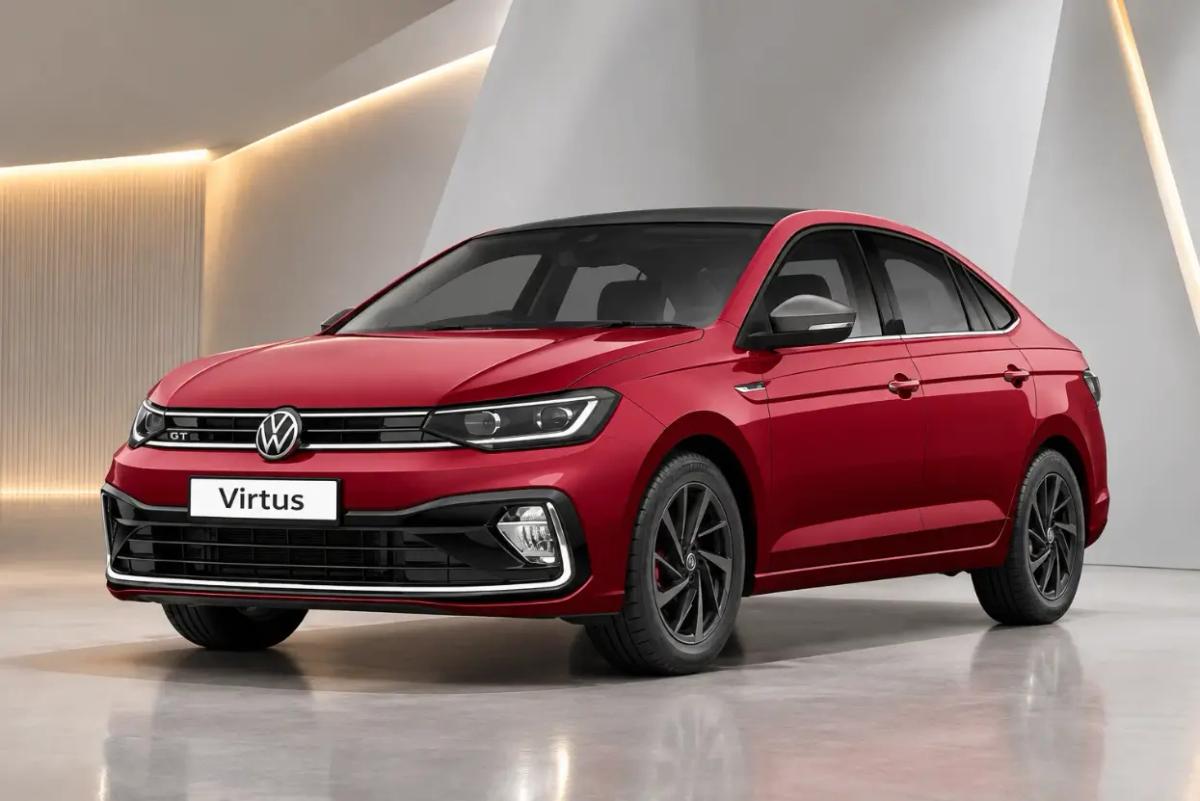
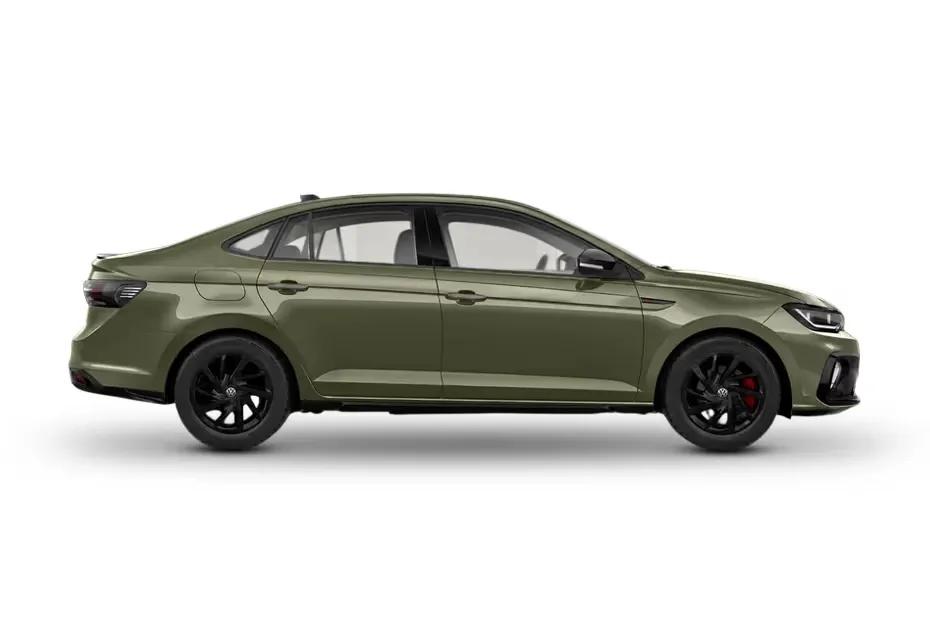
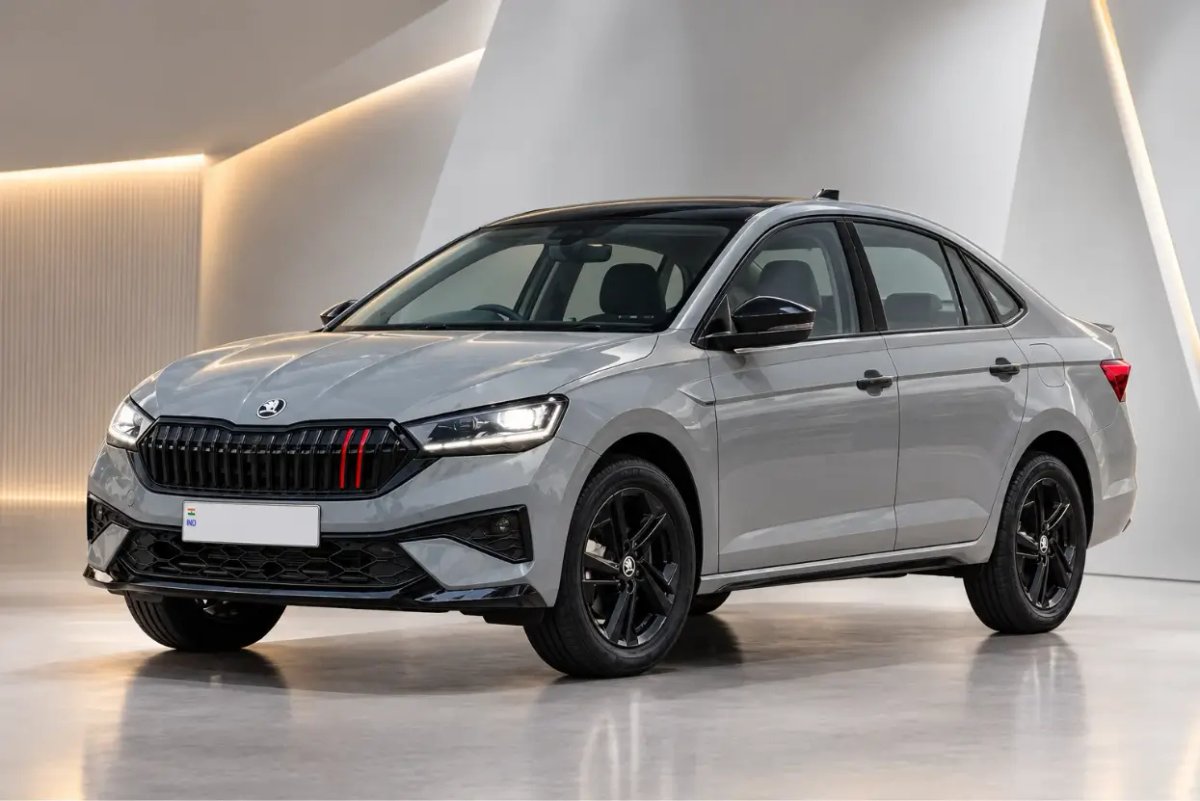
The Volkswagen Virtus design takes the mature route. No oversized grille, no fake vents, just clean surfaces stretched over 4,561 mm of length and a 2,651 mm wheelbase that plants it wide on the road. L-shaped LED daytime lights up front and blacked-out tail-lamps at the rear keep it looking expensive without any noise.
Dual-tone 16-inch alloys and a chrome window line do the quiet flexing. And because the shape borrows nothing from fashion, a 2026 Virtus should still look current in 2031, long after trend-chasing rivals date themselves.
You get 8 colour options of the Volkswagen Virtus to choose from and five of them run across the range. Deep Black Pearl stays exclusive to the GT and Chrome trims, while the Carbon Steel Grey Matte finish belongs to the GT Plus Sport alone. Lava Blue rounds out the palette.
Volkswagen Virtus Interior Features
The Volkswagen Virtus interior wins on space before anything else. Two six-footers sit behind two six-footers without knees touching plastic, and the boot swallows 521 litres, enough for a family's airport run with a stroller on top.
Top trims get ventilated leatherette seats, a 10.1-inch touchscreen, a digital driver's display, wireless charging and an electric sunroof. But run your hand across the dashboard and you find hard plastics where a Verna gives you soft-touch panels.
There is no radar-based driver assistance yet either. Hyundai offers it at this price, and Volkswagen is saving it for the upcoming facelift around the end of this year
Volkswagen Virtus Safety Rating
The Virtus scored 5 stars at Global NCAP under the updated, tougher test protocol. Six airbags and electronic stability control come standard on every variant.
Build quality backs the rating. Doors shut with a thud, and the body structure was rated stable in the crash test. Volkswagen also recalled some cars for a faulty rear seatbelt part and replaced it for free. A recall sounds scary, but a company that finds and fixes its own faults is the kind you want holding your warranty.
Volkswagen Virtus Performance and Top Speed
Here is what "fun to drive" means in plain terms. At 100 kmph, the Virtus feels planted where lighter rivals feel floaty. Lane changes need one input instead of two, and crosswinds on an expressway do not push the car around.
The Volkswagen Virtus top speed is 204 km/h (127 mph) for the 1.5L TSI models, while the 1.0L TSI variants top speed is 189 km/h to 190 km/h.
But the firm low-speed ride pays for all that composure. Sharp potholes register in the cabin, and rear passengers notice them more than the driver ever will. The 179 mm clearance already handles the rough stuff, so the firmness is about feel, not capability.
Volkswagen Virtus Maintenance Cost
In an independent running-cost study, the Volkswagen Virtus maintenance cost was reported at about ₹29,000 for scheduled servicing. The owners I interviewed said their annual bills were under ₹10,000.
Service intervals are long at 15,000 km or one year. Comprehensive insurance runs ₹24,000 to ₹35,000 a year depending on your city and cover. Budget ₹40,000 to ₹45,000 for a fresh set of tyres around year three or four. Volkswagen also sells a Service Value Package that locks your maintenance rates for four years, worth taking at delivery.
Resale is the quiet bonus. Used Virtus prices hold firm, and GT variants sell fast in the second-hand market. Which raises the next question: Is the Volkswagen Virtus GT the one to buy new?
Volkswagen Virtus GT: Worth the Price?
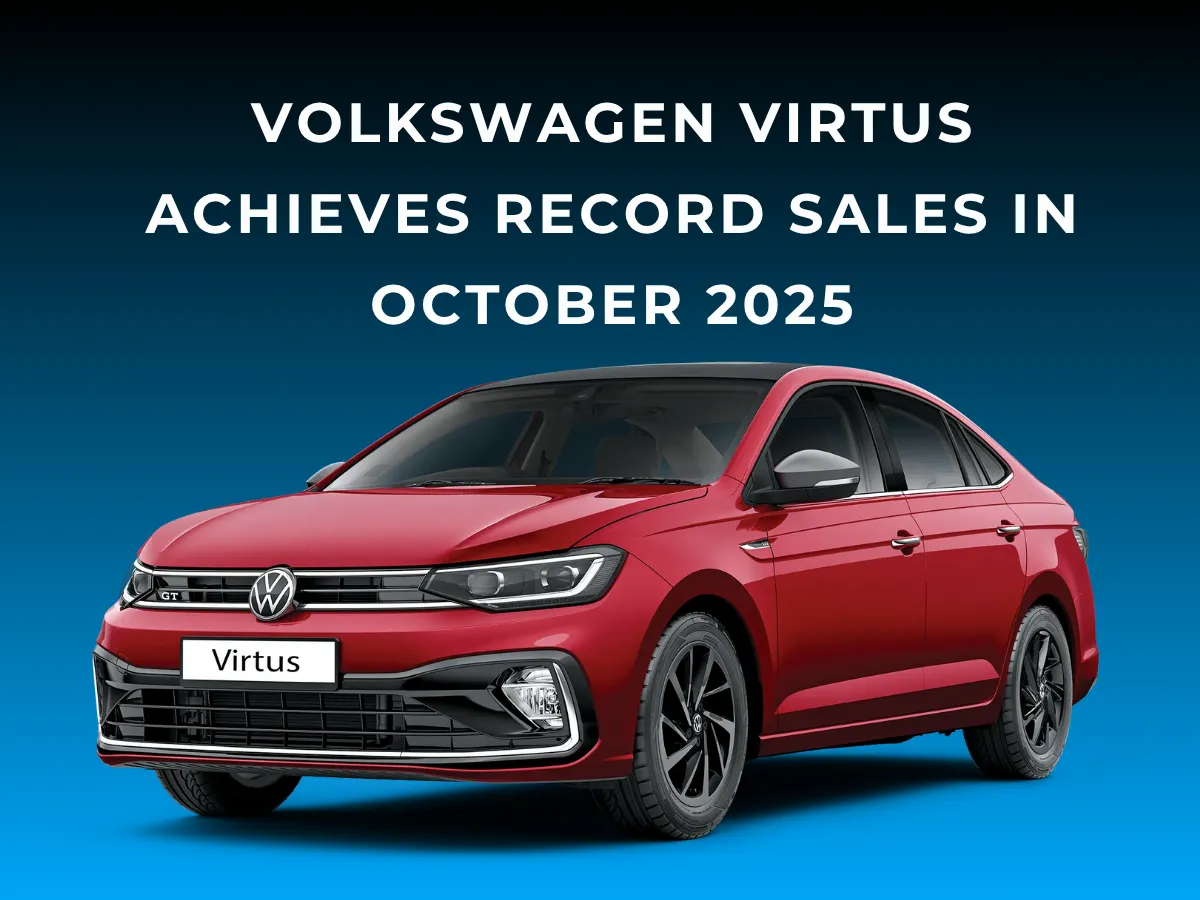
Volkswagen says GT trims account for roughly 60 percent of all Virtus sales, and the car crossed 2,400 sales in a single month last October, its best ever. People are not buying this sedan to save money; they are buying it for what the GT badge delivers.
This price gets you the 150 PS engine, the DSG, black alloys, gloss-black styling and, if you like loud paint, the Flash Red shade. If your driving is mostly highway or you simply care how a car feels, the GT Line is the sweet spot before GT Plus prices wander into compact SUV territory. If your driving is mostly second gear, the Topline 1.0 automatic gives you almost every feature and none of the fuel anxiety.
Volkswagen Virtus vs Competitor Sedans Comparison
|
|
Virtus |
Slavia |
Verna |
City |
|
Ex-showroom price |
₹10.7 lakh |
₹10 lakh |
₹11 lakh |
₹11.7 lakh |
|
Engines |
1.0 & 1.5 turbo-petrol |
1.0 & 1.5 turbo-petrol |
1.5 petrol & 1.5 turbo |
1.5 petrol |
|
Max power |
150 PS |
150 PS |
160 PS |
121 PS |
|
Boot space |
521 litres |
521 litres |
528 litres |
506 litres |
|
Global NCAP |
5 stars |
5 stars |
5 stars |
5 stars (earlier protocol) |
Volkswagen Virtus vs Skoda Slavia
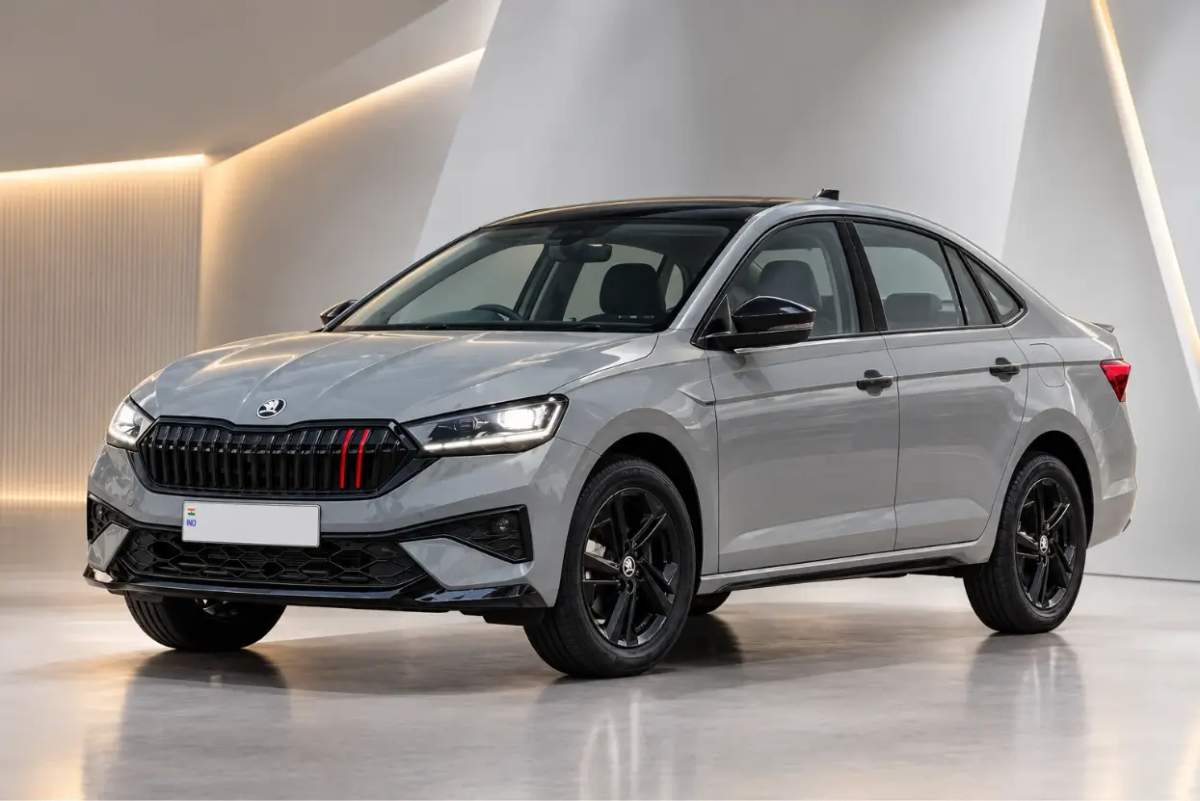
Same platform, same engines, same gearboxes. Skoda Slavia rides slightly softer and its dealers often discount harder. The Virtus looks more grown-up and its cabin feels a touch better screwed together. Pick whichever design you prefer and whichever dealer treats you better, because both are the best sedans under 20 lakh in India.
Volkswagen Virtus vs Hyundai Verna
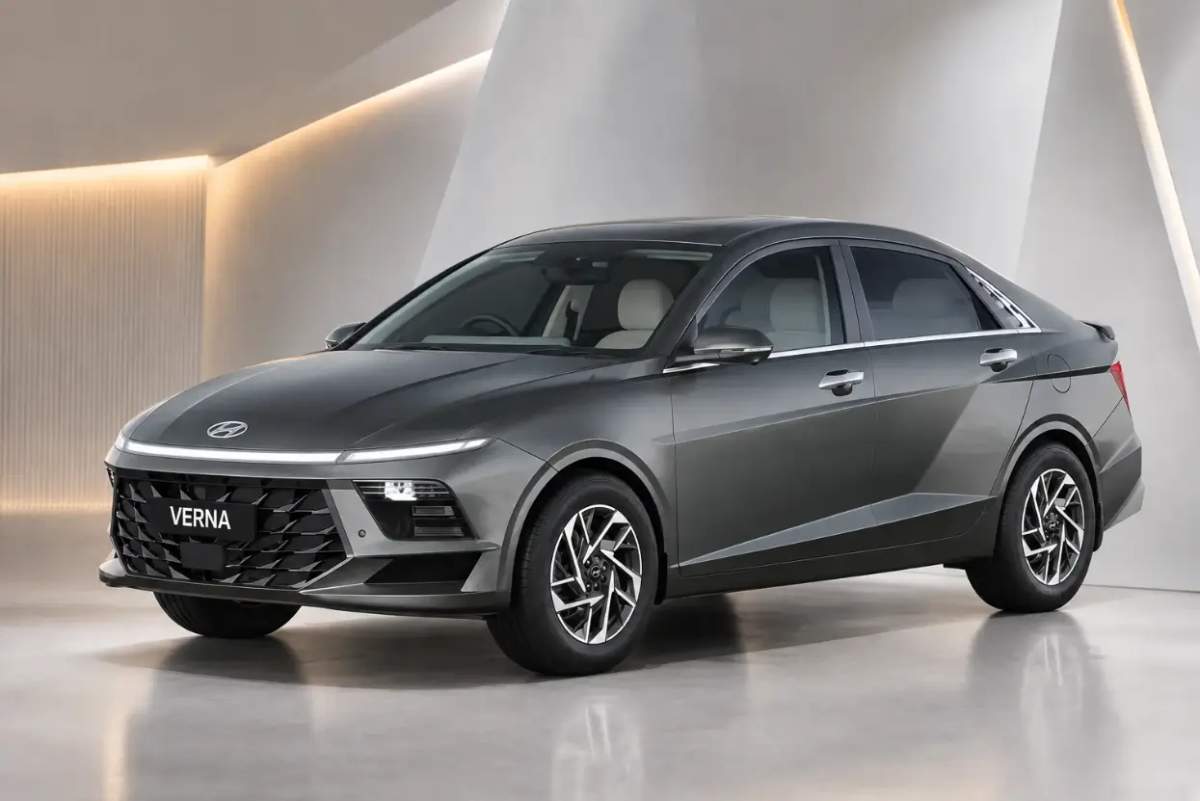
In a comparison of the Virtus vs Verna, the Verna wins on the spec sheet. Bigger screens, radar-based driver aids, a 160 PS turbo and cheaper spare parts. The Virtus wins the drive, with a heavier, more planted feel at speed that the lighter Verna cannot match. If you need a long feature-first choose Hyundai Verna. But if you need the best performance sedan in India go for VW Virtus. Neither choice is wrong.
Volkswagen Virtus vs Honda City
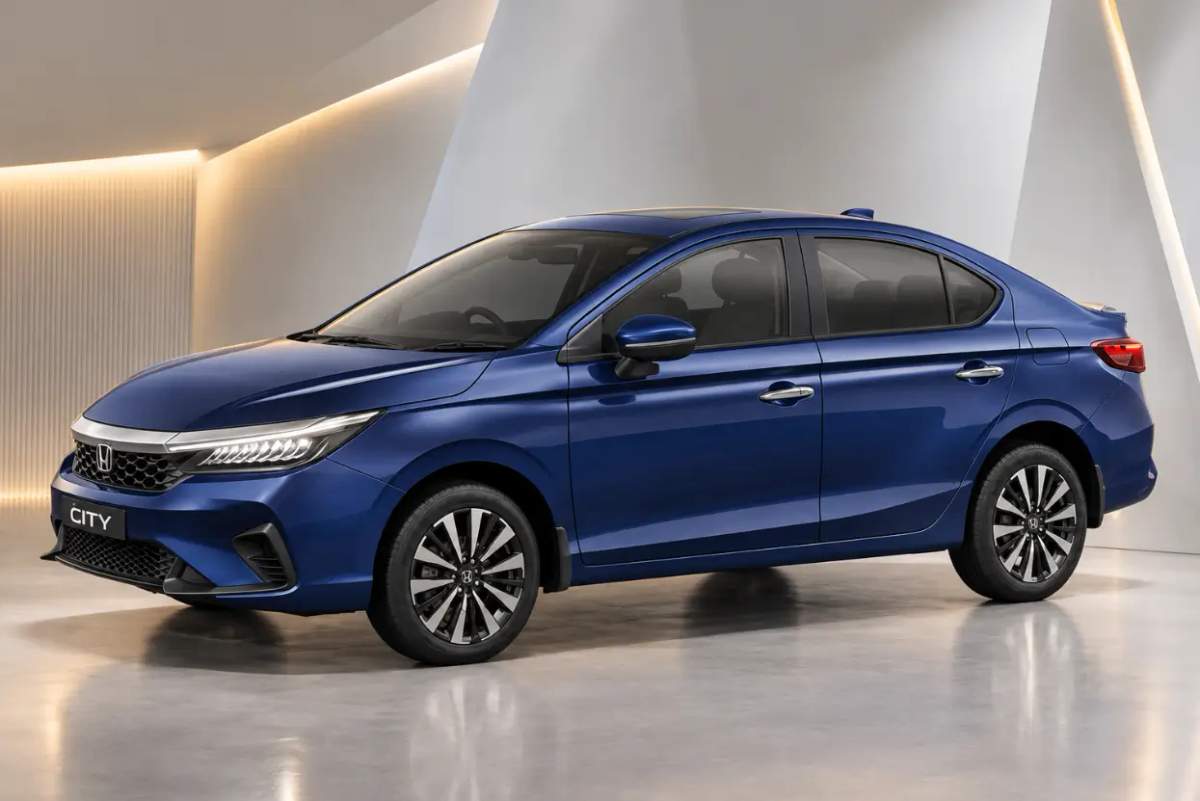
Honda City is the ownership king. Its engine is smooth, its service record is spotless and its rear seat coddles parents better than the firmer Virtus. But there is no turbo punch, and the cabin tech now feels a generation behind. Chauffeur-driven or fuss-free buyers pick the City, and everyone who enjoys the wheel picks the Virtus.
Volkswagen Virtus Facelift 2026
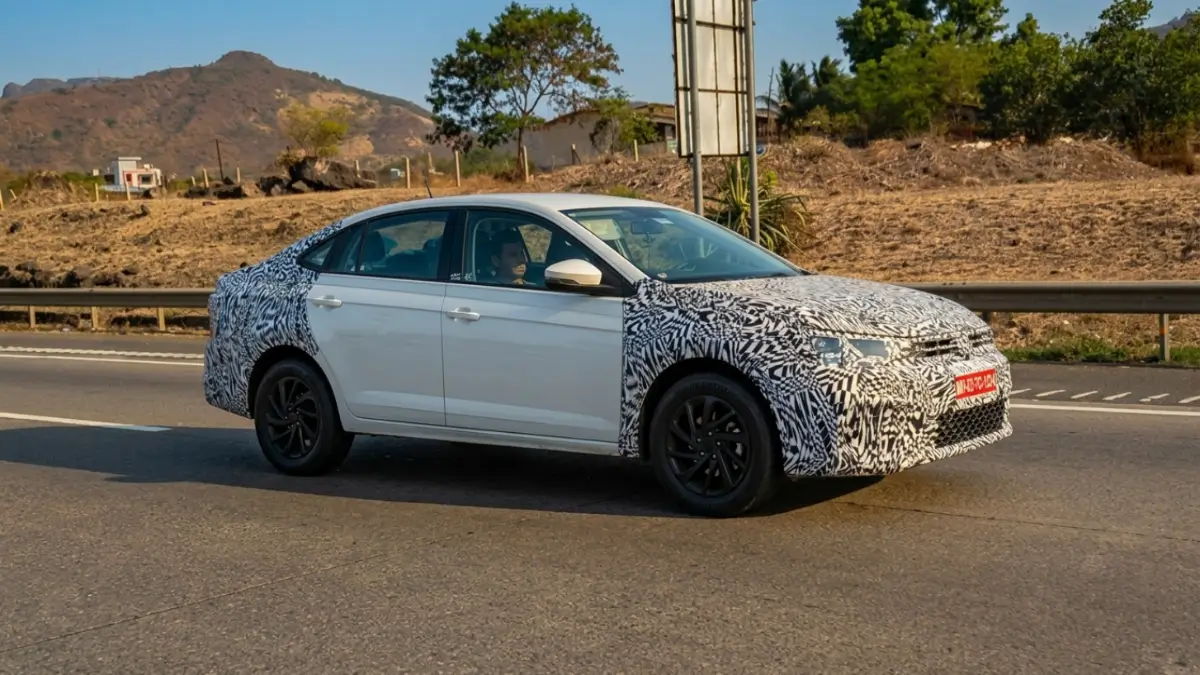
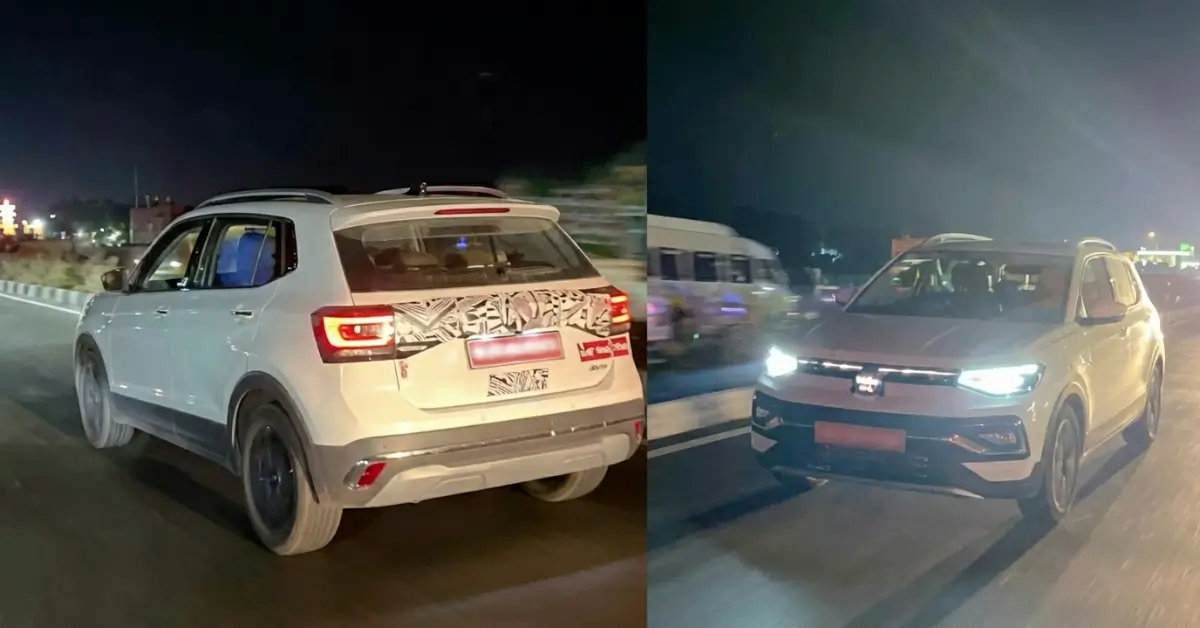
A camouflaged Volkswagen Virtus facelift was caught testing in April 2026, and reports point to a launch around the end of this year. Expect fresh bumpers, a bigger screen, a panoramic sunroof and Level 2 driver assistance, meaning the car can brake for you and hold its lane on highways. The engines stay the same.
So should you wait? Wait if the missing driver-assist tech bothered you two sections ago, because that gap closes with the update. Buy now if price matters more, since dealers clear current stock with heavy discounts as a facelift nears, and the updated car will almost certainly cost more. Either way, ask your dealer directly what stock they are holding and what they will knock off to move it, because that one question can save you a lakh.
Should You Buy the Volkswagen Virtus?
Buy the Virtus if you drive yourself, spend real time on highways, and rank safety and build over gadget count. It is the sedan for people who chose a sedan on purpose.
Skip it if you are chauffeur-driven, if a plush low-speed ride matters more than handling, or if your monthly running makes petrol-only economics painful. The City serves the first two better and a CNG or diesel rival serves the third.
Between those two camps sits one honest truth. Nothing else under ₹20 lakh mixes crash safety, highway manners and engine character the way this car does. The myth said bigger is better; this car spends every kilometre proving it wrong. So book back-to-back test drives of the 1.0 and the 1.5, over the worst stretch of road near the showroom, and the decision will make itself.