
Tata Tiago EV Facelift Vs MG Comet EV : Comparison of Most Affordable EVs
Did the Tata Tiago EV facelift really cut off the MG Comet EV? Let's find out.


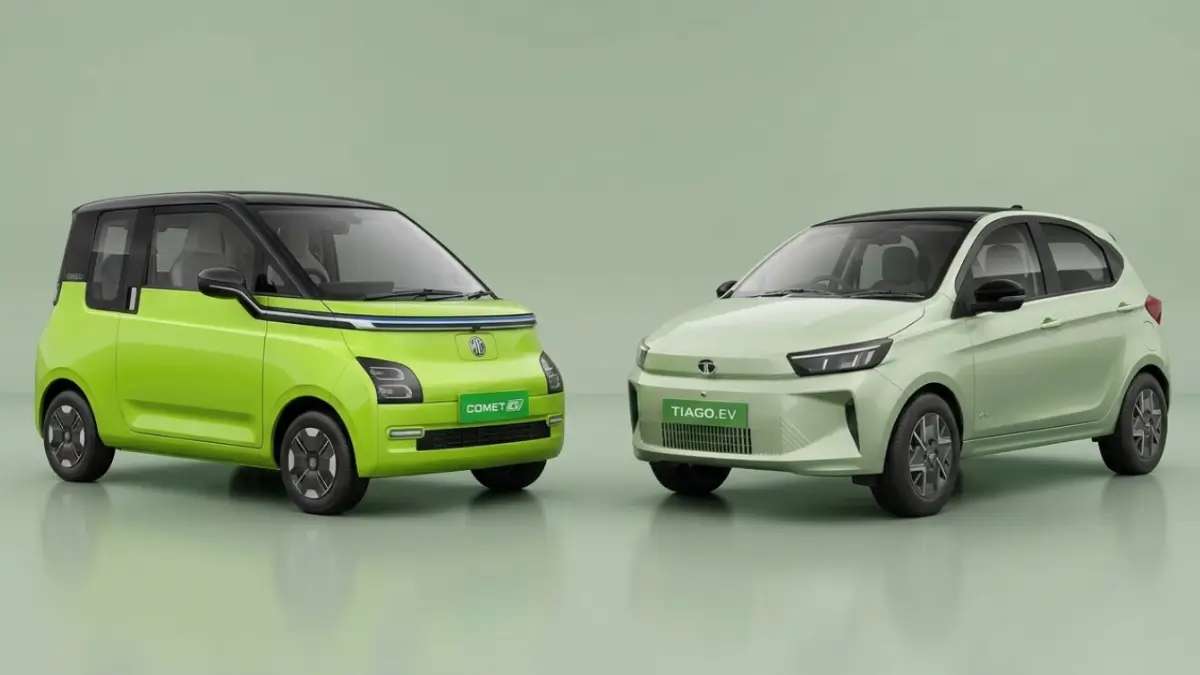
Tata just made its cheapest electric car cheaper. The new Tata EV facelift starts at ₹6.99 lakh, a full ₹1 lakh below the car it replaces. And that one number quietly breaks the MG Comet's whole sales pitch.
Tata Tiago EV Facelift Vs MG Comet Price Difference
For two years the MG Comet EV sold on one idea. It was the cheapest way into a four-wheeled EV, at roughly ₹7.4 lakh ex-showroom, or ₹4.99 lakh if you rented the battery. The Tiago answers both. It slips under that sticker at ₹6.99 lakh, and its own rental plan drops the entry price to ₹4.69 lakh plus ₹2.6 a kilometre.
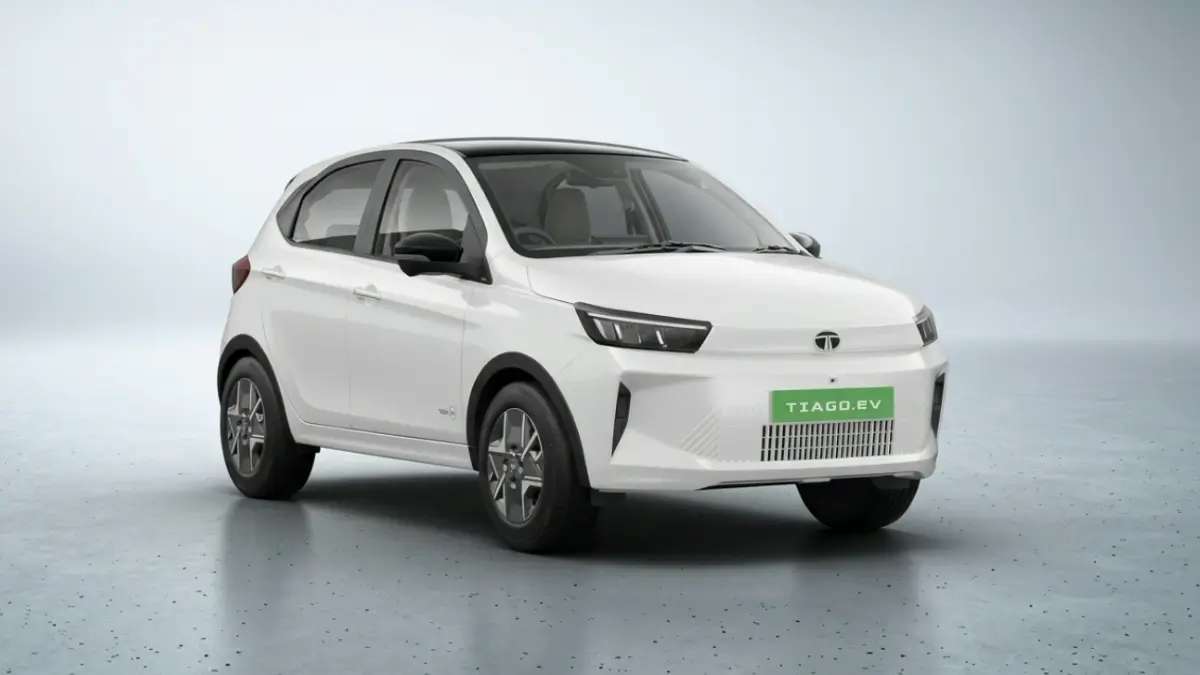
This is no token refresh either. You get sleeker LED headlamps, a closed body-colour grille, fresh 14-inch wheels, and connected LED tail-lamps. Inside there's a 10.25-inch touchscreen, a digital driver's display, auto climate control, and wireless Android Auto and Apple CarPlay.
Tiago EV Facelift vs MG Comet: Almost a Metre More Car
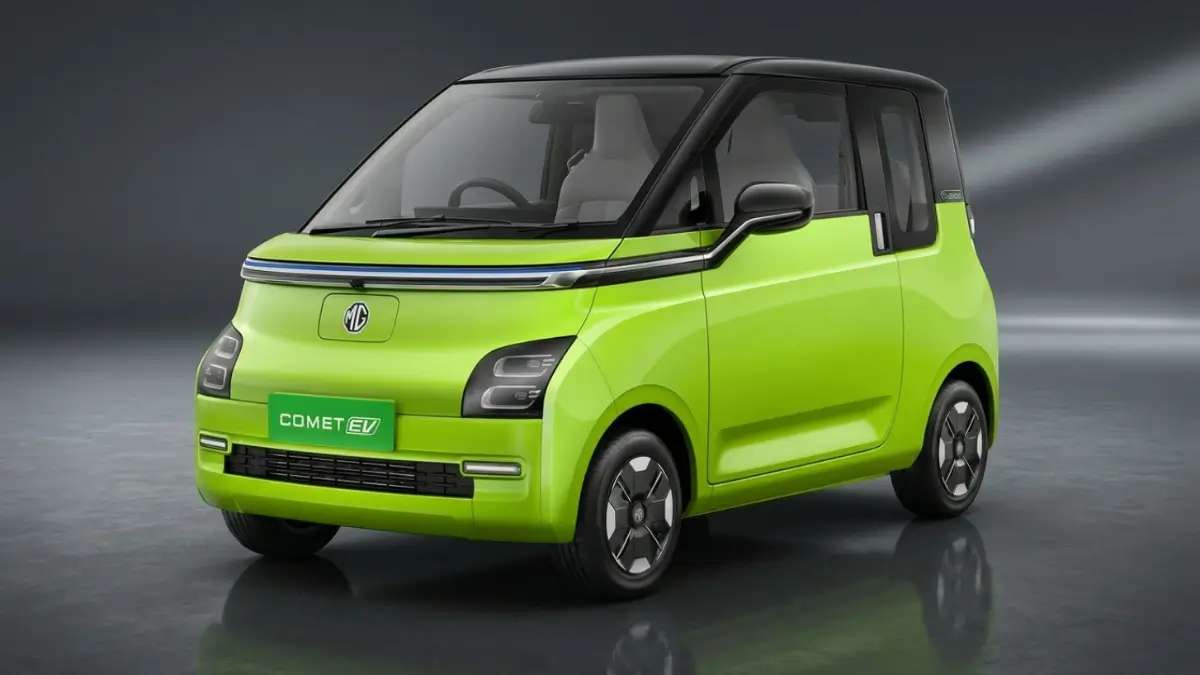
Here's where the two part ways. The Comet is 2.97 metres long, with two doors and four seats. Tata Tiago EV stretches to 3.82 metres, with five doors, five seats, and a 240-litre boot. You pay near-identical money for a lot more metal.
Power tells the same story. The Comet makes 42 PS. The Tiago's smaller 19.2 kWh battery makes 62 PS, and the 24 kWh version pushes out 75 PS and clears 0 to 60 kph in 5.7 seconds. Range, though, is closer than you'd think. The Comet claims 230 km and returns about 180 km in real use. The Tiago's big battery claims 285 km and manages 180 to 200 km, while its small pack drops to 140 to 160 km in daily driving.
Where the Tata Tiago EV Facelift Pulls Ahead: Charging and Safety
Plan a long day out and that close range gap turns into a gulf. The Comet has no DC fast charging at all. Its quickest top-up is 3.5 hours on a 7.4 kW home charger. The facelifted Tiago takes a 30 kW DC charger and goes from 10 to 80 percent in 35 minutes. One car can leave the city. The other stays close to home.
Safety splits them wider still. The Tiago gets six airbags as standard, ESC, a tyre-pressure monitor, and a segment-first 360-degree camera, and its body holds a 4-star Global NCAP rating. The Comet gives you two airbags and no Indian crash-test score at all.
One more thing the brochure buries. Buy the 24 kWh Tiago and Tata throws in a lifetime, unlimited-kilometre battery warranty for the first owner. The Comet asks you to live with the usual cap.
Verdict : Which One Should You Buy?
Pick the Comet for one reason only. You want the tiniest possible car for choked lanes and impossible parking, and a second pair of doors means nothing to you. As a four-wheeled city scooter, it's charming.
For everyone else, the maths leans one way. The Tata Tiago EV facelift starts cheaper, seats more people, drives further between fast charges, and keeps you safer in a crash. Tata didn't just freshen up its baby EV. It took away the last good reason to choose the Comet over it. Check the on-road price in your city before you book, because ₹6.99 lakh is ex-showroom.
About the Author

CarzOnWheel Team shares practical insights on cars, ownership, and the latest updates to help readers make informed decisions.