
Maruti to Launch India’s First 100% Ethanol Flex Fuel Car on 5 June
Maruti is launching a car built for a future that barely exists today. Whether that's genius or risky depends on one crucial detail.


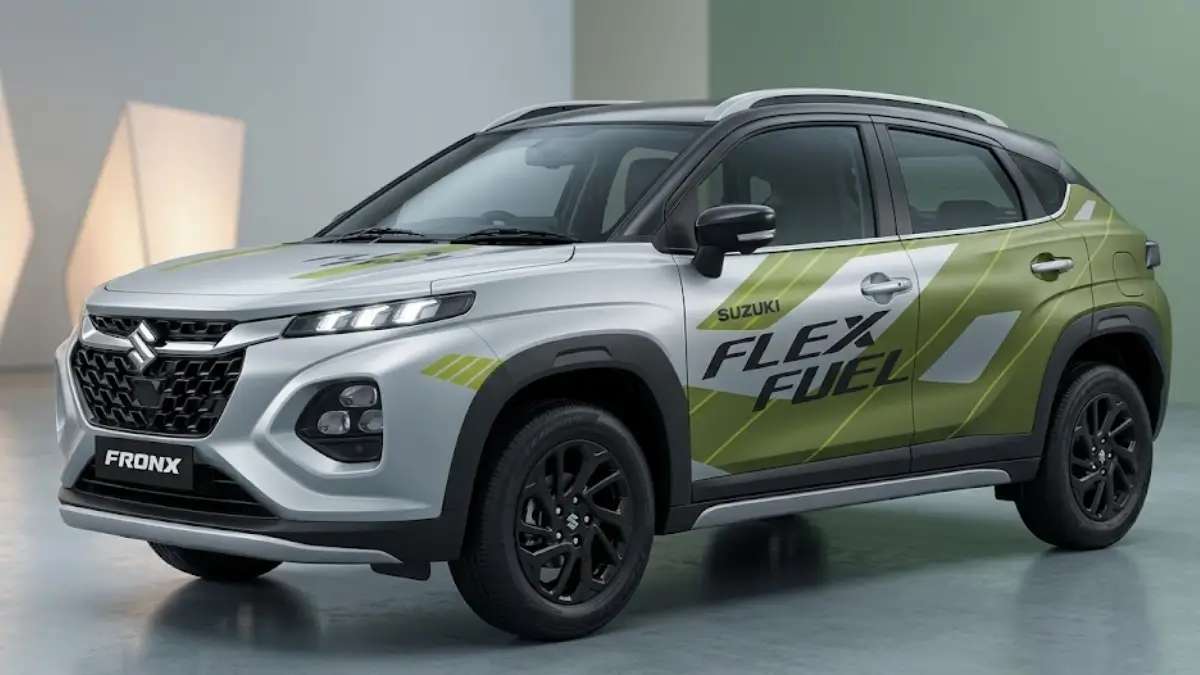
On June 5, Maruti Suzuki will launch a car that can run on a fuel hardly any pump in India actually sells today. Sounds odd. But this could quietly be the most critical launch of 2026. The car is a flex-fuel Maruti WagonR, and it is India's first four-wheeler built for up to 100% ethanol.
Union Minister Nitin Gadkari has confirmed the World Environment Day launch in Delhi. The WagonR's engine can handle anything from your regular E20 petrol all the way to E100, which is near-pure ethanol.
How the Maruti Flex Fuel Car Actually Works
A flex fuel car looks like any other hatchback from the outside. The intelligence sits inside the fuel system. A sensor reads the ethanol content in your tank every time you refuel. The Engine Control Unit then adjusts ignition timing, air-fuel mix and injection rate based on what it finds.
Because ethanol carries roughly 30% less energy per litre than petrol, the engine simply injects more of it when you fill higher blends. The fuel pump, hoses, seals and ignition system are built from corrosion-resistant materials too, because ethanol absorbs moisture and is harsher on rubber than petrol.
The Pros of India's First 100% Ethanol Car
Ethanol burns cleaner than petrol. Tailpipe carbon emissions drop sharply, and because the ethanol comes from crops that absorb CO2 while they grow, the lifecycle carbon footprint is meaningfully lower. For a country that imports 87% of its crude oil, every litre of ethanol burned is one less litre that has to come from abroad.
Ethanol blending has already saved India ₹1.44 lakh crore in foreign exchange since 2014-15. The flex-fuel WagonR extends that maths.
Ethanol also has a higher octane rating than petrol, which means better-tuned flex fuel engines can squeeze out more performance. And the supply chain feeds Indian farmers. Sugarcane, maize and broken rice are the raw material. That money stays in India.
The Cons You Need to Know About
Lower energy density is the headline catch. Independent estimates suggest a 27% to 30% mileage drop when running pure E100 versus pure petrol. A WagonR that does 25 kmpl on petrol might do 17 kmpl on E100. That hurts.
The bigger problem is price. E100, where it is available, currently retails at almost the same price as petrol. So the per-kilometre running cost on E100 is actually higher than petrol today. The flex-fuel hardware also adds an estimated ₹19,000 to ₹27,000 over a regular petrol WagonR.
Cold-start performance can suffer at low temperatures, since pure ethanol is harder to ignite. In Brazil, flex-fuel cars carry a small auxiliary petrol tank just for cranking the engine on winter mornings.
The Real Problem: The Fuel Does Not Yet Exist
Here is the part the press releases are quiet about. There are barely a handful of E100 pumps in India today. The government has promised 5,000 stations within two years. Until that arrives, buyers of the new Maruti will fill the same E20 petrol everyone else does.
Maruti is essentially launching a car for a future. That is bold marketing, but it is also why the flex bit matters. The WagonR will still run perfectly fine on regular petrol from any pump. You lose nothing on day one.
About the Author

CarzOnWheel Team shares practical insights on cars, ownership, and the latest updates to help readers make informed decisions.