CarzOnWheel logo
  • Home
  • Cars
  • Blogs
  • Brands
  • Delhi

CarzOnWheel logoCarzOnWheel

Delhi

carzonewheel_logo

Carzonwheel is a comprehensive automotive platform dedicated to helping car buyers, owners, and enthusiasts make informed decisions. We provide the latest automotive news, in-depth car reviews, expert buying guides, vehicle comparisons, and industry insights from experienced automotive professionals. Our content is created by car experts and enthusiasts with hands-on driving experience across a wide range of vehicles, including manual and automatic cars, electric vehicles (EVs), luxury cars, performance vehicles, and supercars. This real-world experience enables us to deliver practical, unbiased, and reliable advice for every type of driver.
In addition to expert automotive content, Carzonwheel offers powerful tools such as a Car EMI Calculator, Mileage Calculator, and detailed Car Specifications Comparison feature, helping users evaluate and compare vehicles with confidence. Carzonwheel is owned and operated by OnWheels Group through OnWheels Digital, with a mission to make automotive information transparent, accessible, and useful for everyone.
Drive smarter. Choose better. Trust Carzonwheel.

Address: 453, OnWheels Digital Private Limited, JMD Megapolis, Sector 48, Gurugram, Haryana 122018
contact@carzonwheel.com
Popular Cars
  • Tata Harrier EV
  • Mahindra BE6
  • Kia EV6
  • Tata Curvv EV
  • Hyundai Tucson
  • BMW i4
  • MG Cyberster
Popular Brands
  • Maruti Suzuki
  • Hyundai
  • Tata Motors
  • Mahindra
  • Toyota
  • Mercedes-benz
  • Kia
Cars by Price
  • Cars Under ₹10 Lakh
  • Cars Under ₹15 Lakh
  • Cars Under ₹20 Lakh
  • Cars Under ₹35 Lakh
  • Cars Under ₹50 Lakh
  • Cars Under 1 Crore
  • Cars Above 1 Crore
Explore Cars
  • Upcoming Cars
  • Electric Cars
  • Car News
Support
  • About Us
  • Contact Us
  • Sitemap
Legal
  • Privacy Policy
  • Terms & Conditions
  • Disclosure
  • Write for Us
  • Advertise with us
OnWheels Group
car_logoCarzOnWheel
truck_logoTruckOnWheels
bike_logoBikeOnWheels
tractor_logoTractorOnWheels
khetikyari_logoKhetikyari
Copyright © 2026 OnWheels Digital Private Limited. All Rights Reserved.
Follow us:
  1. Home
  2. /
  3. News

Gadkari Proposes Musical Instrument Sounds for Vehicle Horns.

Nitin Gadkari wants car horns to sound like flutes and tablas; an effort to cut down noise pollution with a touch of Indian culture.


Updated01-07-2026AuthorShreem Nema
Follow CarzOnWheel on Google NewsAdd CarzOnWheel as a Google preferred source
Gadkari Proposes Musical Instrument Sounds for Vehicle Horns.

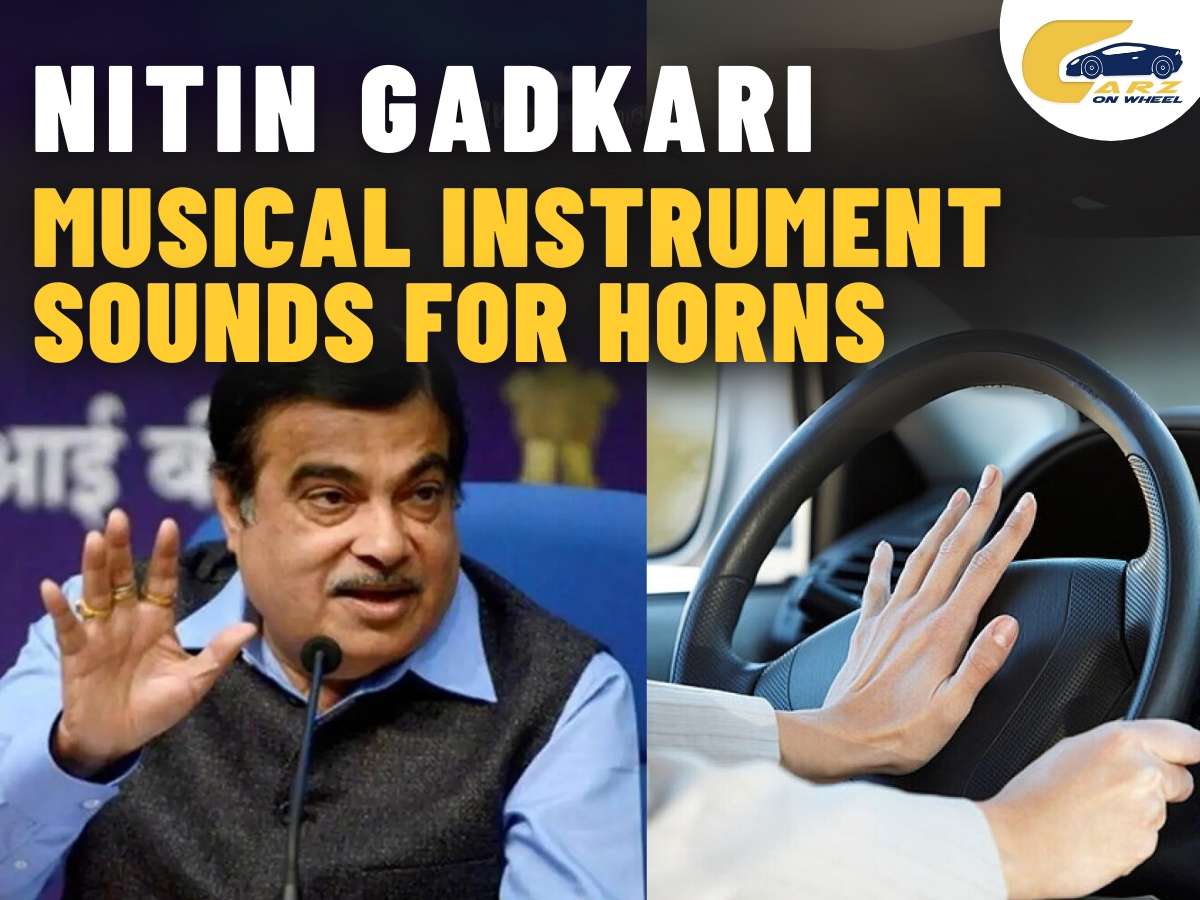
Union Transport Minister Nitin Gadkari has proposed to introduce a new rule that makes vehicle horns sound like Indian musical instruments like flute, tabla, violin, and harmonium in a bid to tackle noise pollution. The proposal was made at the 78th Foundation Year celebration of the Navbharat Times, a part of a larger government initiative to tackle both air and noise pollution issues through regulatory and technology measures.

The proposal is part of an environmental strategy that targets noise levels in urban and residential areas, which often exceed permissible limits due to traffic. According to a 2023 survey by Earth5R, noise levels in several Indian cities were over 50% higher than the allowed 50 dB in silent zones, with vehicular horns frequently ranging between 90 dB and 100 dB. Horn noise has been a long-standing contributor to this urban issue, prompting the government to look for creative alternatives that maintain road safety while reducing auditory strain on the public.

Addressing the pollution caused by the transport sector, Gadkari said, “Forty per cent of the pollution in the country is due to the transport sector.” He also reiterated the government’s push towards green and biofuels, such as methanol and ethanol, as part of its long-term eco-friendly mobility goals. This new horn policy would complement the ongoing shift to sustainable transport technologies by addressing a less-discussed but increasingly relevant aspect of vehicular impact.

Also Read- India's Automotive Industry Set to Soar: Exports to Triple by 2030!

While the concept of musical horns is novel, their practical implementation will depend on standardisation, safety evaluations, and public response. Questions remain about whether musical tones can deliver the same alerting function in high-traffic scenarios without compromising safety. However, the initiative aligns with a larger policy narrative of promoting Indian cultural identity in public systems and addressing environmental degradation with unique solutions.

The proposal is at an early stage and may require further consultations, technical assessments, and pilot projects before it is formally adopted. If legislated, it could influence the future design of vehicle sound systems and create a new regulatory precedent in automotive manufacturing.


About the Author

Shreem Nema profile
Shreem NemaContent Writer

Shreem Nema shares practical insights on cars, ownership, and the latest updates to help readers make informed decisions.

Frequently Asked Questions

Q1. What is Nitin Gadkari's proposal about vehicle horns?+
A1. Union Minister Nitin Gadkari has proposed replacing traditional vehicle horns with sounds inspired by Indian musical instruments like the flute, tabla, and violin to reduce noise pollution.
Q2. Why are musical horns being considered in India?+
A2. Musical horns are part of a broader plan to tackle rising noise levels in urban areas, offering a more pleasant and culturally inspired alternative to harsh vehicle horns.
Q3. How does this proposal help fight noise pollution?+
A3. Traditional horns often exceed 90–100 dB, contributing to noise pollution. Musical horns aim to keep alerts effective while lowering decibel levels and reducing stress in public spaces.
Q4. Is this proposal officially implemented?+
A4. No, the musical horn proposal is still in its early stages. It may require pilot tests, public feedback, and technical assessments before becoming a regulation.
Q5. Will musical horns affect road safety?+
A5. There are ongoing discussions about whether musical tones can alert drivers and pedestrians effectively in high-traffic situations. Safety evaluations will be crucial before implementation.