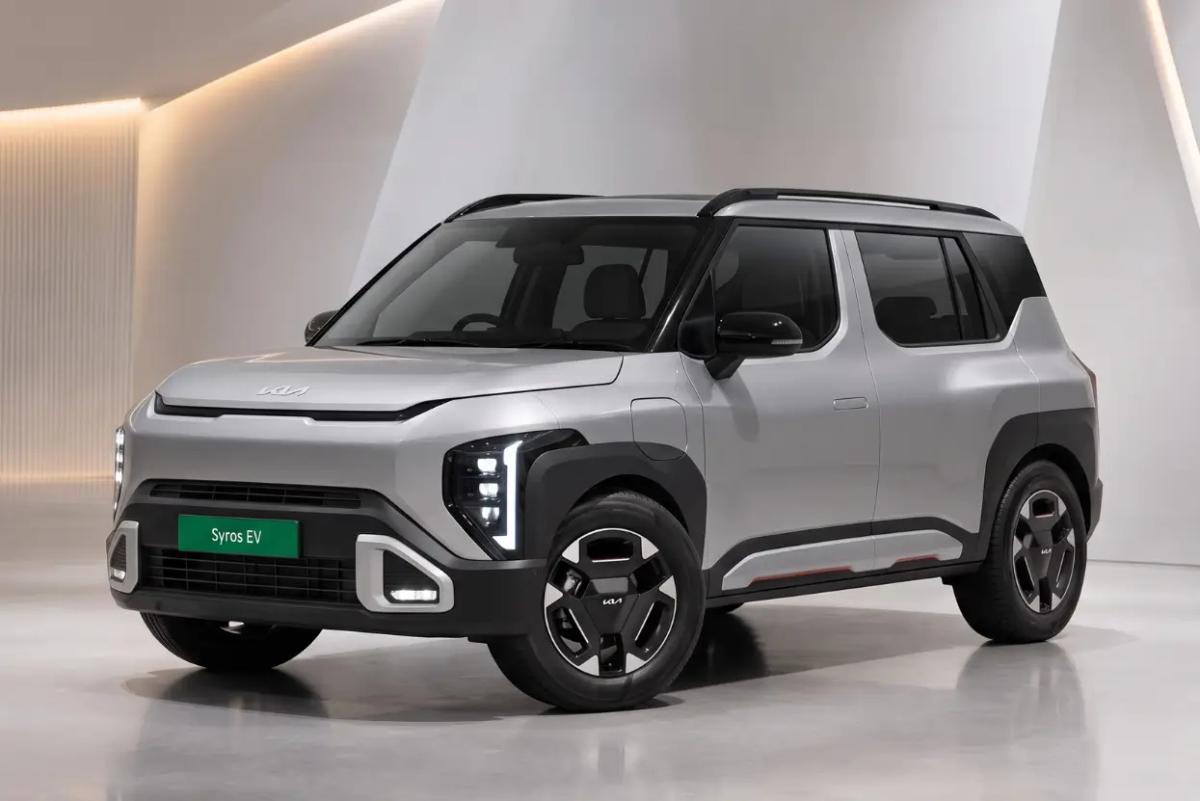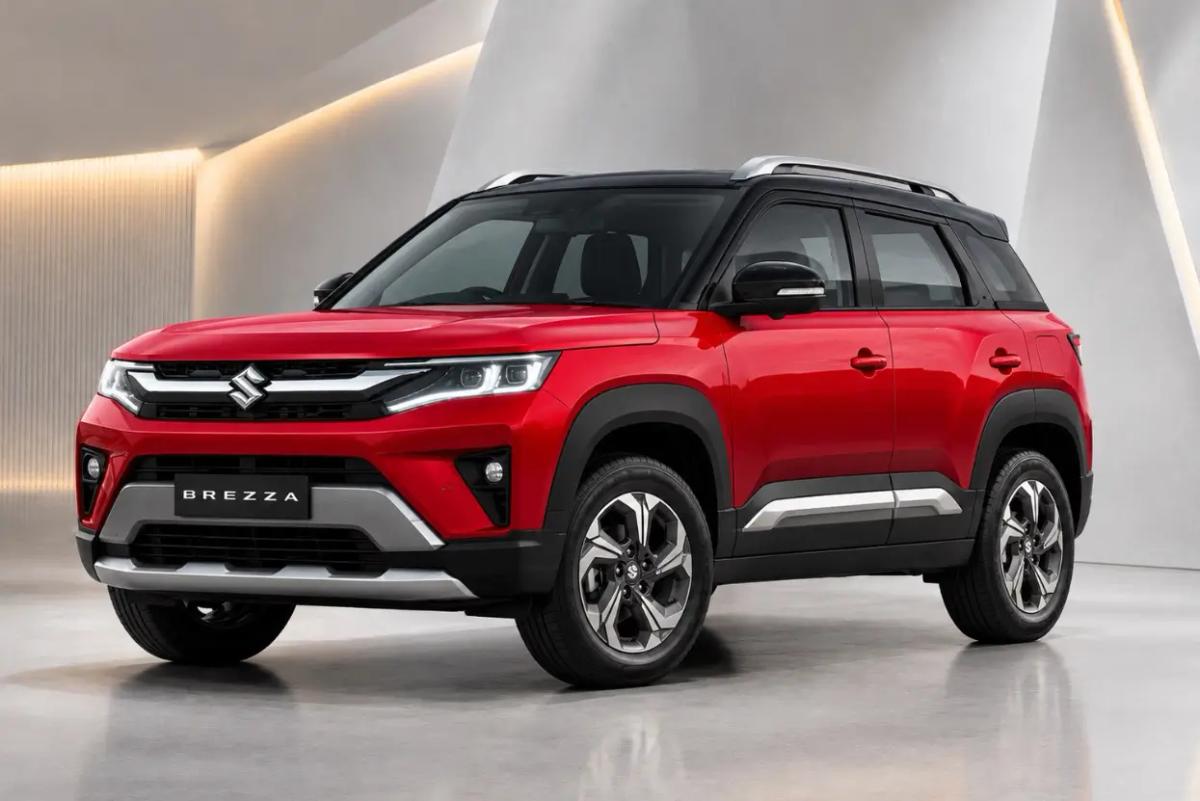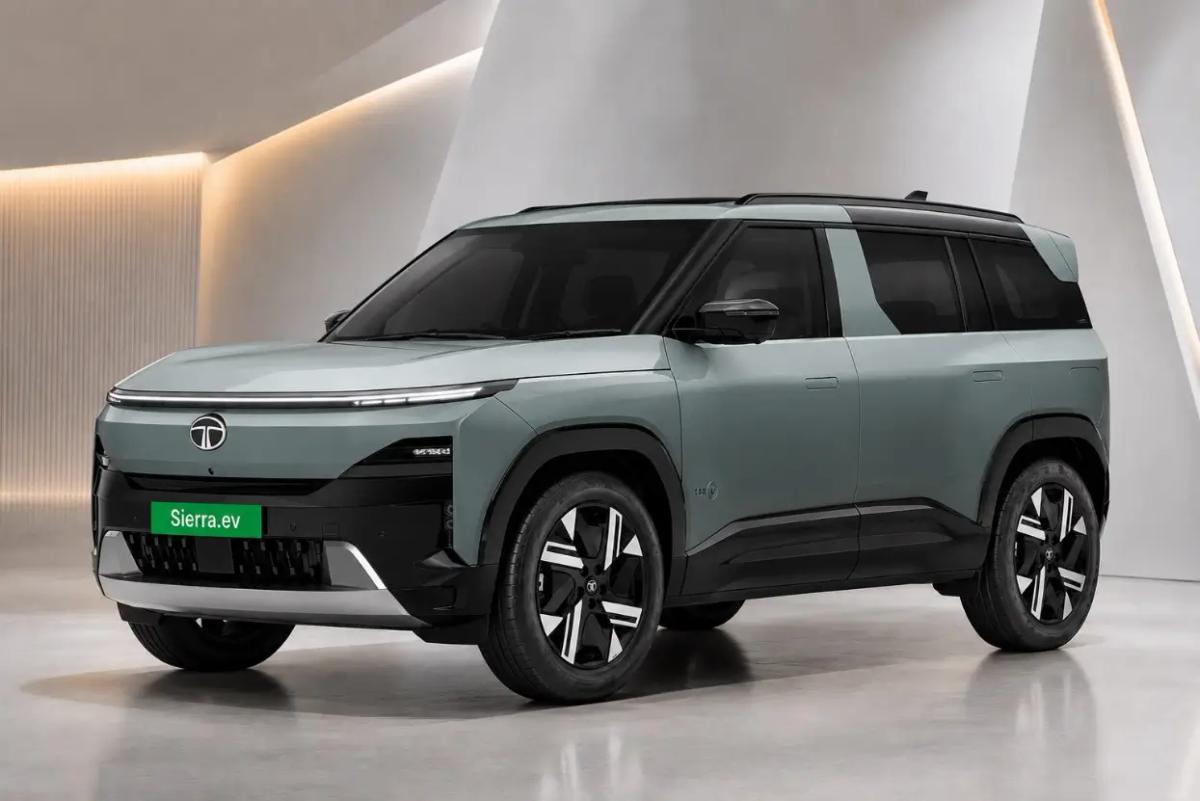
Side-by-side comparison

Tata Sierra EV vs Kia Syros EV Comparison 2026: Price, Mileage, Features

The Tata Sierra EV starts at ₹18.79 L and the Kia Syros EV at ₹13.50 L, a difference of ₹5.29 L ex-showroom. On-road in New Delhi that gap becomes roughly ₹5.87 L. Here is what the extra money actually buys.

Read more
Tata Sierra EV

Tata Sierra EV

₹18.79 L - ₹26.48 L

Kia Syros EV

Kia Syros EV

₹13.50 L - ₹20.00 L

Tata Sierra EV vs Kia Syros EV

Specifications

Parameter
Tata Sierra EV
Kia Syros EV
Price
₹18.79 L - ₹26.48 L
₹13.50 L - ₹20.00 L
Body Type
SUV
SUV
Fuel Type
Electric
Electric
Transmission
Automatic
Automatic
Engine
Permanent Magnet Synchronous Motor
Engine Displacement
-
-
Torque
-
-
Power
306 PS
133 - 169 bhp
Mileage
535-665 km
443 - 526 km
Safety Rating
-
-
Seating Capacity
5 Seats
5 Seats
Length
-
-
Width
-
-
Ground Clearance
205 mm
190 mm
Boot Space
622 Litres
390 Litres
Fuel Tank Capacity
-
-
Battery Capacity
63-75 kWh
42 - 51.4 kWh
Battery Type
Lithium ion
Lithium-ion
Charging Time Dc
26Min-120kW-(20-80%)
39 Min-100kW (10%-80%)
L Price
1879000
1349900
H Price
2648000
1999900
Charging Time Ac
-
4.5H- 11kW (10-100%)

Engine & Transmission

▾
Feature
Tata Sierra EV
Kia Syros EV
Engine Type
—
Electric
Battery Capacity
—
51.4 kWh
Motor Power
—
126 kW
Motor Type
—
Permanent Magnet Synchronous Motor
Max Power
—
169bhp
Max Torque
—
255Nm
Range
—
526 km
Battery Type
—
Lithium-ion
Charging Time (A.C)
—
4.5H- 11kW (10-100%)
Charging Time (D.C)
—
39 Min-100kW (10%-80%)
Charging Port
—
CCS-II
Transmission Type
—
Automatic
Gearbox
—
1-Speed
Drive Type
—
FWD

Fuel & Performance

▾
Feature
Tata Sierra EV
Kia Syros EV
Fuel Type
—
Electric
Emission Norm Compliance
—
ZEV

Charging

▾
Feature
Tata Sierra EV
Kia Syros EV
Fast Charging
—

Suspension, Steering & Brakes

▾
Feature
Tata Sierra EV
Kia Syros EV
Front Suspension
—
MacPherson Strut suspension
Rear Suspension
—
Rear twist beam
Steering Type
—
Electric
Steering Column
—
Tilt
Front Brake Type
—
Disc
Rear Brake Type
—
Disc

Dimensions & Capacity

▾
Feature
Tata Sierra EV
Kia Syros EV
Length
—
3995 mm
Width
—
1805 mm
Height
—
1670 mm
Seating Capacity
—
5
Wheel Base
—
2550 mm

Comfort & Convenience

▾
Feature
Tata Sierra EV
Kia Syros EV
Power Steering
—
Air Conditioner
—
Heater
—
Adjustable Steering
—
Height only
Height Adjustable Driver Seat
—
Ventilated Seats
—
Electric Adjustable Seats
—
Front
Automatic Climate Control
—
Accessory Power Outlet
—
Rear Seat Headrest
—
Adjustable
Adjustable Headrest
—
Rear Seat Centre Arm Rest
—
Height Adjustable Front Seat Belts
—
Rear AC Vents
—
Cruise Control
—
Parking Sensors
—
Front & Rear
KeyLess Entry
—
Engine Start/Stop Button
—
Paddle Shifters
—
USB Charger
—
Front & Rear
Central Console Armrest
—
With Storage
Drive Modes
—
3
Additional Features
—
Rear parcel tray | Sunglass Holder
Power Windows
—
Front & Rear

Interior

▾
Feature
Tata Sierra EV
Kia Syros EV
Glove Box
—
Lighting
—
Ambient light, Footwell Lamp
Digital Cluster
—
Digital Cluster Size
—
12.3
Upholstery
—
Leatherette
Ambient Light Colour (numbers)
—
64

Exterior

▾
Feature
Tata Sierra EV
Kia Syros EV
Adjustable Headlamps
—
Rear Window Wiper
—
Rear Window Washer
—
Rear Window Defogger
—
Wheel Covers
—
Alloy Wheels
—
Rear Spoiler
—
Outside Rear View Mirror Turn Indicators
—
Automatic Headlamps
—
Fog Lights
—
Front
Antenna
—
Shark Fin
Sunroof
—
Panoramic
Outside Rear View Mirror (ORVM)
—
Powered & Folding
Tyre Size
—
215/55 R17
Tyre Type
—
Radial & Tubeless
LED DRLs
—
LED Headlamps
—
LED Taillights
—
LED Fog Lamps
—

Safety

▾
Feature
Tata Sierra EV
Kia Syros EV
Anti-lock Braking System (ABS)
—
Brake Assist
—
Child Safety Locks
—
No. of Airbags
—
6
Driver Airbag
—
Passenger Airbag
—
Side Airbag
—
Day & Night Rear View Mirror
—
Electronic Brakeforce Distribution (EBD)
—
Traction Control
—
Tyre Pressure Monitoring System (TPMS)
—
Electronic Stability Control (ESC)
—
Rear Camera
—
With Guidedlines
ISOFIX Child Seat Mounts
—
Hill Assist
—
360 View Camera
—

Entertainment & Communication

▾
Feature
Tata Sierra EV
Kia Syros EV
Radio
—
Wireless Phone Charging
—
Bluetooth Connectivity
—
Touchscreen Size
—
12.3 inch
Android Auto
—
Wireless
Apple CarPlay
—
Wireless
No. of Speakers
—
8
Usb Ports
—
Speakers
—
Front & Rear

ADAS Feature

▾
Feature
Tata Sierra EV
Kia Syros EV
Forward Collision Warning
—
Lane Departure Warning
—
Lane Keep Assist
—
Driver Attention Warning
—
Adaptive Cruise Control
—
Leading Vehicle Departure Alert
—
Adaptive High Beam Assist
—
Blind Spot Monitor
—

Advance Internet Feature

▾
Feature
Tata Sierra EV
Kia Syros EV
Remote Vehicle Status Check
—
Over the Air (OTA) Updates
—
In Car Remote Control App
—
Smartwatch App
—
Valet Mode
—
Remote AC On/Off
—
Remote Door Lock/Unlock
—
Remote Vehicle Ignition Start/Stop
—
Inbuilt APPs
—
Kia Connect 2.0

Popular Comparisons

Swipe through popular car comparison pairs.

View all

Compare by Brand

Choose a brand and explore cars before comparing.

All brands

Tata Sierra EV vs Kia Syros EV Comparison overview

Comparison overview: The Tata Sierra EV starts at ₹18.79 L and the Kia Syros EV at ₹13.50 L, a difference of ₹5.29 L ex-showroom. On-road in New Delhi that gap becomes roughly ₹5.87 L. Here is what the extra money actually buys.

Engine and performance: The Tata Sierra EV uses a Permanent Magnet Synchronous Motor Electric making 306 PS and listed torque with Automatic. The Kia Syros EV uses a Permanent Magnet Synchronous Motor Electric making 133 - 169 bhp and listed torque with Automatic.

Mileage and running cost: The Tata Sierra EV Electric Automatic is rated at 535-665 km and the Kia Syros EV Electric Automatic at 443 - 526 km. At 1,000 km a month, the Tata Sierra EV saves you about ₹3.1054197168836115 a month and ₹37.26503660260334 a year on fuel.

Space and practicality: The Tata Sierra EV takes 622 litres against 390, about 232 litres more. That is roughly one extra cabin-size bag of extra room.

What one gives that the other does not: The Kia Syros EV adds Engine Type, Battery Capacity, Motor Power, Motor Type and Max Power. The rest of both spec sheets is shared.

Which one should you buy?

Buy the Kia Syros EV if you drive mostly in the city, you want the lower running cost, and you would rather keep the ₹5.29 L for your down payment than spend it on features.

Buy the Tata Sierra EV if you do regular highway runs, you carry luggage or a pram often, and you want useful comfort features without waiting for the next facelift.

The one thing that settles it: Kia Syros EV offers Engine Type.

Before you sign anything:

Ex-showroom price is not what you pay. Add registration, road tax, insurance and handling, and expect the final figure to land ten to twelve percent higher. Road tax changes state to state, so a car that costs the same in two cities does not cost the same to own.

Ask the dealer four things before you book. What is the current waiting period for the variant you want. What is the on-road figure.

Then drive both cars back to back on the same day, on a road you actually use. Take your family. Put your usual luggage in the boot. Most people decide in the first ten minutes, and it is rarely for the reason they expected.
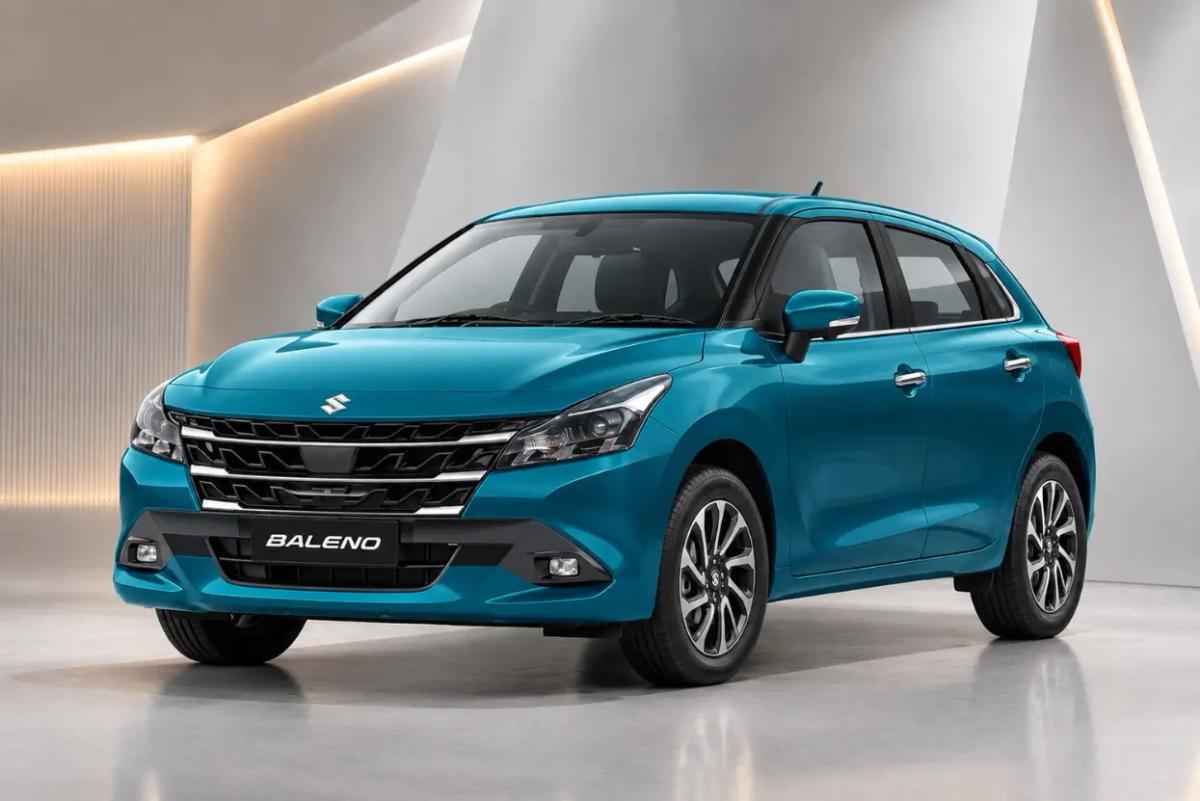
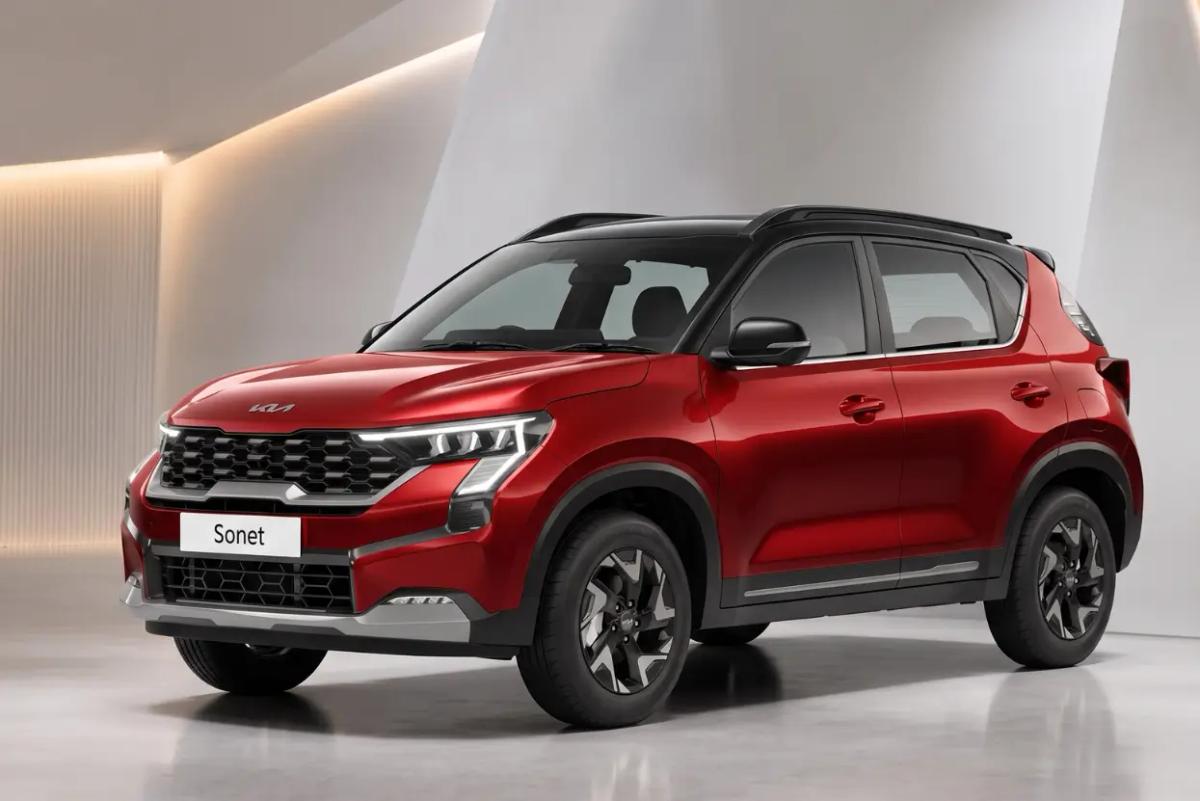
Tata Sierra EV vs Kia Syros EV FAQs

Which is cheaper to maintain?+
Kia Syros EV is likely cheaper to maintain because it starts at the lower price. Confirm the service package, parts pricing and labour cost with the dealer before booking.
What is the price difference between Tata Sierra EV vs Kia Syros EV?+
The ex-showroom price difference between Tata Sierra EV and Kia Syros EV is ₹5.29 L. On-road in New Delhi, that gap becomes roughly ₹5.87 L.
Tata Sierra EV vs Kia Syros EV, which has better mileage?+
Tata Sierra EV has the better listed mileage. The Tata Sierra EV Electric Automatic is rated at 535-665 km, while the Kia Syros EV Electric Automatic is rated at 443 - 526 km.
Tata Sierra EV vs Kia Syros EV, which car has the better safety rating?+
Safety rating data is not complete for both cars. Compare crash-test ratings and standard safety kit before booking.
Which car holds its value best, Tata Sierra EV vs Kia Syros EV?+
Resale value depends on demand in your city, service history, variant, fuel type and mileage. The car with lower running cost and stronger local demand usually holds value better.
Which is better for highway driving?+
For highway driving, compare torque, high-speed stability, safety rating and seat comfort in the exact variants you are shortlisting.